Skip to content
Get the Balanced News app for a better experience!
The Balanced News Logo
Analytics
The Balanced News Logo

Stay Balanced, Stay Informed

Menu
  • Browse News
  • Underreported Stories
  • Curated Feeds
  • Insights
  • Analytics
  • Our Writers
  • About Us
  • Download App
Learn
  • How It Works
  • Bias Detection
  • Lens Score
  • Source Bias Checker
  • Accountability
  • Custom Feeds
Newsroom
  • Writers & Analysts
  • About TBN
  • Editorial Standards
  • Corrections Policy
  • Our Partners
  • Insights
Socials
  • Youtube
  • Instagram
  • X
  • Facebook
News Categories
  • Trending
  • Politics
  • Sports
  • Business
  • Tech
  • Entertainment
  • Health
  • Science
  • Crime
  • Lifestyle
  • National
  • International
  • Good News
  • Crypto

Get Our App

Available for iOS and Android


LensFeedsInsightsAnalyticsTrendingGood NewsSportsPoliticsBusinessCrimeTechEntertainmentHealthNationalInternational

© 2026 The Balanced News. All rights reserved.

About UsEditorial StandardsCorrectionsHelp & SupportPrivacy PolicyTerms & Conditions
AI Growth Drives US Data Centers to Use One-Fifth of Electricity by 2035
Categories

Categories

Related Coverage

Select a news story to see related coverage from other media outlets.

Related Coverage

Select a news story to see related coverage from other media outlets.

  1. Home
  2. /
  3. Technology

AI Growth Drives US Data Centers to Use One-Fifth of Electricity by 2035

Analysed 21 Jul 2026·3 sources analysed·Texas, United States·Technology
AI Growth Drives US Data Centers to Use One-Fifth of Electricity by 2035PreviousNext

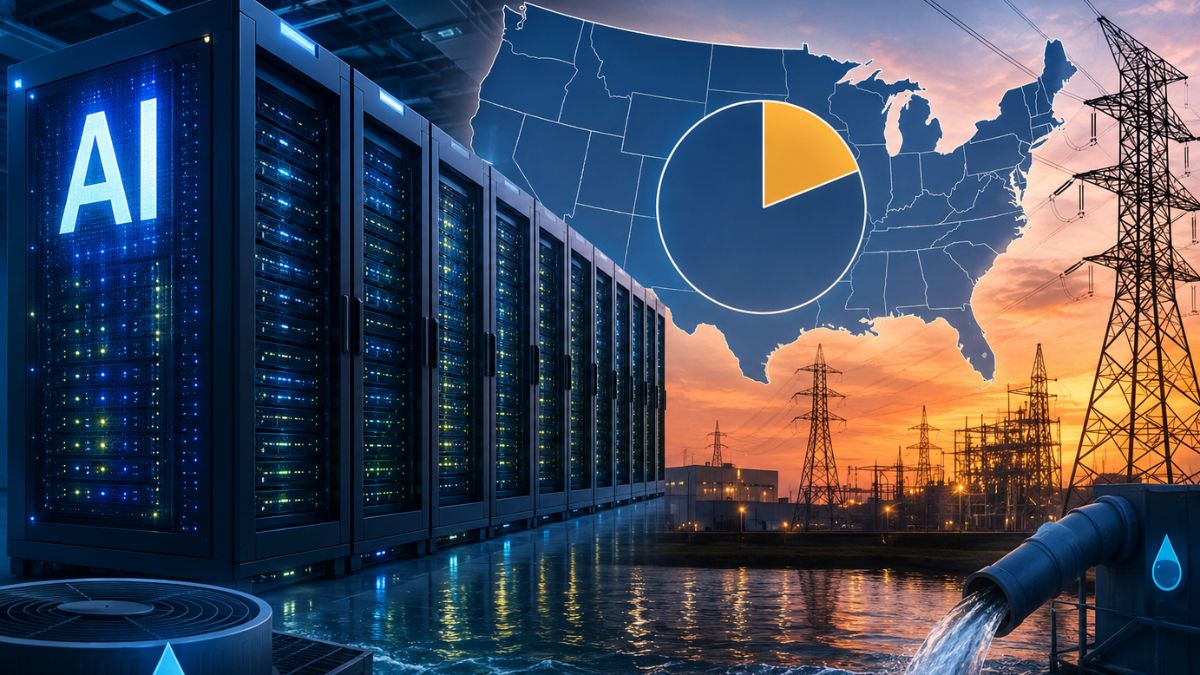
US data centers, driven by rapid AI growth, are projected to consume about 20% of the country's electricity by 2035, up from 5.9% today, according to BloombergNEF. This surge, especially in states like Virginia and Texas, raises concerns over power grid strain and environmental impacts. While some highlight delays due to permitting and resource concerns, investor Kevin O'Leary argues that modern cooling technologies have reduced water usage, challenging older criticisms of AI data centers' environmental footprint.

Sentiment
52%
TBN's observations

First-hand measurement across 3 sources

We measured how 3 outlets covered this story. No outlet gave this story a measurable political slant — there is no left–right reading to report. Overall sentiment is neutral (52/100). Lens Score 41/100.

Outlets measured: thefinancialexpress, hindustantimes, firstpost. See how each one headlined and framed the same story in the source comparison below.

AI analysis of 3 sources · Published under editorial oversight by The Balanced News
Analysed 21 Jul 2026· How this analysis is produced· Editorial standards· Corrections

AI Analysis

Sentiment — Neutral (52/100)

Sentiment was consistent across outlets (45–62/100), indicating broadly factual reporting rather than editorialising.

Coverage timeline

firstpost broke this story on 21 Jul, 10:32 am. Other outlets followed.

21 Jul, 10:32 am3 sources · 7 h21 Jul, 05:47 pm
AI analysis by the TBN Bias Engine · beat methodology byAshwin Alsi· Technology Editor· editorial standards byOjas Kale
← Previous
Samsung Launches AI Health Assistant Integrating Data Across Galaxy Devices
Next →
iOS 27 Beta Code Indicates Dual Batteries for Apple's Rumored Foldable iPhone
  1. 1
    firstpost21 Jul, 10:32 am
    Kevin O'Leary dismisses AI data centre water concerns, says modern facilities are 'like a golf course'
  2. 2
    hindustantimes21 Jul, 04:44 pm
    AI boom could make data centers consume 20 of US electricity by 2035: Report
  3. 3
    thefinancialexpress21 Jul, 05:47 pm
    AI data centres could use one-fifth of US electricity by 2035 as power, water demand surges: Report

Who's involved

Institutions and figures named across source coverage.

Corporate
O'Leary Ventures

Story context

Category
Tech
Location
Texas, United States
Sources analysed
3
Last analysed
21 Jul 2026
Key entities
Data centerArtificial intelligenceElectricityElectrical gridEnvironmental issuesTexasElectric vehicleSustainabilityElectricity generationVirginiaNuclear reactorGreenhouse gas emissions