Skip to content
Get the Balanced News app for a better experience!
The Balanced News Logo
Analytics
The Balanced News Logo

Stay Balanced, Stay Informed

Menu
  • Browse News
  • Underreported Stories
  • Curated Feeds
  • Insights
  • Analytics
  • Our Writers
  • About Us
  • Download App
Learn
  • How It Works
  • Bias Detection
  • Lens Score
  • Source Bias Checker
  • Accountability
  • Custom Feeds
Newsroom
  • Writers & Analysts
  • About TBN
  • Editorial Standards
  • Corrections Policy
  • Our Partners
  • Insights
Socials
  • Youtube
  • Instagram
  • X
  • Facebook
News Categories
  • Trending
  • Politics
  • Sports
  • Business
  • Tech
  • Entertainment
  • Health
  • Science
  • Crime
  • Lifestyle
  • National
  • International
  • Good News
  • Crypto

Get Our App

Available for iOS and Android


LensFeedsInsightsAnalyticsTrendingGood NewsSportsPoliticsBusinessCrimeTechEntertainmentHealthNationalInternational

© 2026 The Balanced News. All rights reserved.

About UsEditorial StandardsCorrectionsHelp & SupportPrivacy PolicyTerms & Conditions
Researchers Develop Passive Cooling Coatings to Reduce Surface Temperatures
Categories

Categories

Related Coverage

Select a news story to see related coverage from other media outlets.

Related Coverage

Select a news story to see related coverage from other media outlets.

  1. Home
  2. /
  3. Technology

Researchers Develop Passive Cooling Coatings to Reduce Surface Temperatures

Analysed 25 Aug 2026·2 sources analysed·Arizona, United States·Technology
Researchers Develop Passive Cooling Coatings to Reduce Surface TemperaturesPreviousNext

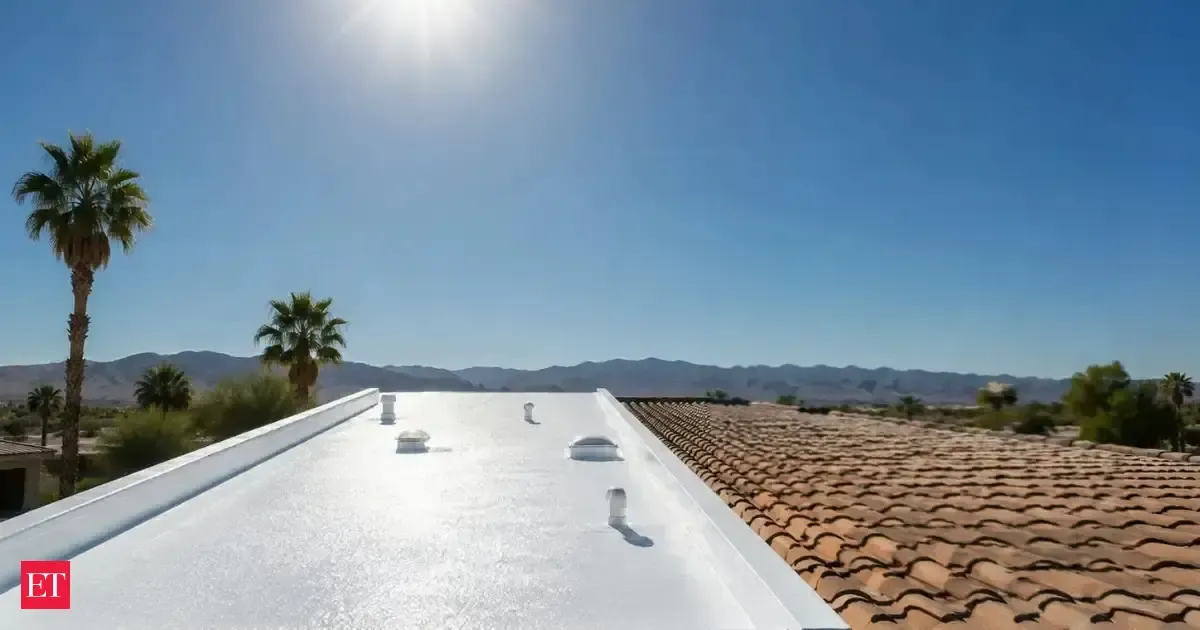
Researchers at the University of Illinois and Columbia University have developed innovative passive cooling coatings that reduce surface temperatures without electricity. Illinois' film lowered metal roof temperatures by over 40°F in Houston, tested ahead of the FIFA World Cup, while Columbia's pigment-free paint kept surfaces 6°C cooler than ambient air in Arizona's desert heat. Both technologies reflect sunlight and radiate heat, offering sustainable solutions to rising heat-related health risks in urban environments. These advancements remain in experimental or early deployment stages.

Sentiment
73%
TBN's observations

First-hand measurement across 2 sources

We measured how 2 outlets covered this story. No outlet gave this story a measurable political slant — there is no left–right reading to report. Overall sentiment is positive (73/100). Lens Score 41/100.

Outlets measured: economictimes, economictimes. See how each one headlined and framed the same story in the source comparison below.

AI analysis of 2 sources · Published under editorial oversight by The Balanced News
Analysed 25 Aug 2026· How this analysis is produced· Editorial standards· Corrections

AI Analysis

Sentiment — Positive (73/100)

Sentiment was consistent across outlets (72–74/100), indicating broadly factual reporting rather than editorialising.

Coverage timeline

economictimes broke this story on 25 Aug, 09:17 am. Other outlets followed.

25 Aug, 09:17 am2 sources · 8 min25 Aug, 09:25 am
AI analysis by the TBN Bias Engine · beat methodology byAshwin Alsi· Technology Editor· editorial standards byOjas Kale
← Previous
Nothing Unveils Nothing OS 5.0 with Android 17 and Enhanced Customization Features
Next →
Market Shift Favors Book-Style Foldable Phones Over Flip-Style Models
1
economictimes25 Aug, 09:17 am
Illinois researchers tested a passive cooling film in Houston; treated metal roofs measured more than 40 F cooler in direct sunlight
  • 2
    economictimes25 Aug, 09:25 am
    Columbia Engineering built a pigment-free paint filled with microscopic air pores; it stayed 6 C below surrounding air during hot desert tests in Arizona
  • Who's involved

    Institutions and figures named across source coverage.

    Government
    City of Houston
    Corporate
    SolarMantle

    Story context

    Category
    Tech
    Location
    Arizona, United States
    Sources analysed
    2
    Last analysed
    25 Aug 2026
    Key entities
    SunlightPassive daytime radiative coolingCoatingPorosityPolymerColumbia UniversityMetalPublic healthIllinoisHoustonUnited StatesUniversity of Illinois Urbana-Champaign