Skip to content
Get the Balanced News app for a better experience!
The Balanced News Logo
Analytics
The Balanced News Logo

Stay Balanced, Stay Informed

Menu
  • Browse News
  • Underreported Stories
  • Curated Feeds
  • Insights
  • Analytics
  • Our Writers
  • About Us
  • Download App
Learn
  • How It Works
  • Bias Detection
  • Lens Score
  • Source Bias Checker
  • Accountability
  • Custom Feeds
Newsroom
  • Writers & Analysts
  • About TBN
  • Editorial Standards
  • Corrections Policy
  • Our Partners
  • Insights
Socials
  • Youtube
  • Instagram
  • X
  • Facebook
News Categories
  • Trending
  • Politics
  • Sports
  • Business
  • Tech
  • Entertainment
  • Health
  • Science
  • Crime
  • Lifestyle
  • National
  • International
  • Good News
  • Crypto

Get Our App

Available for iOS and Android


LensFeedsInsightsAnalyticsTrendingGood NewsSportsPoliticsBusinessCrimeTechEntertainmentHealthNationalInternational

© 2026 The Balanced News. All rights reserved.

About UsEditorial StandardsCorrectionsHelp & SupportPrivacy PolicyTerms & Conditions
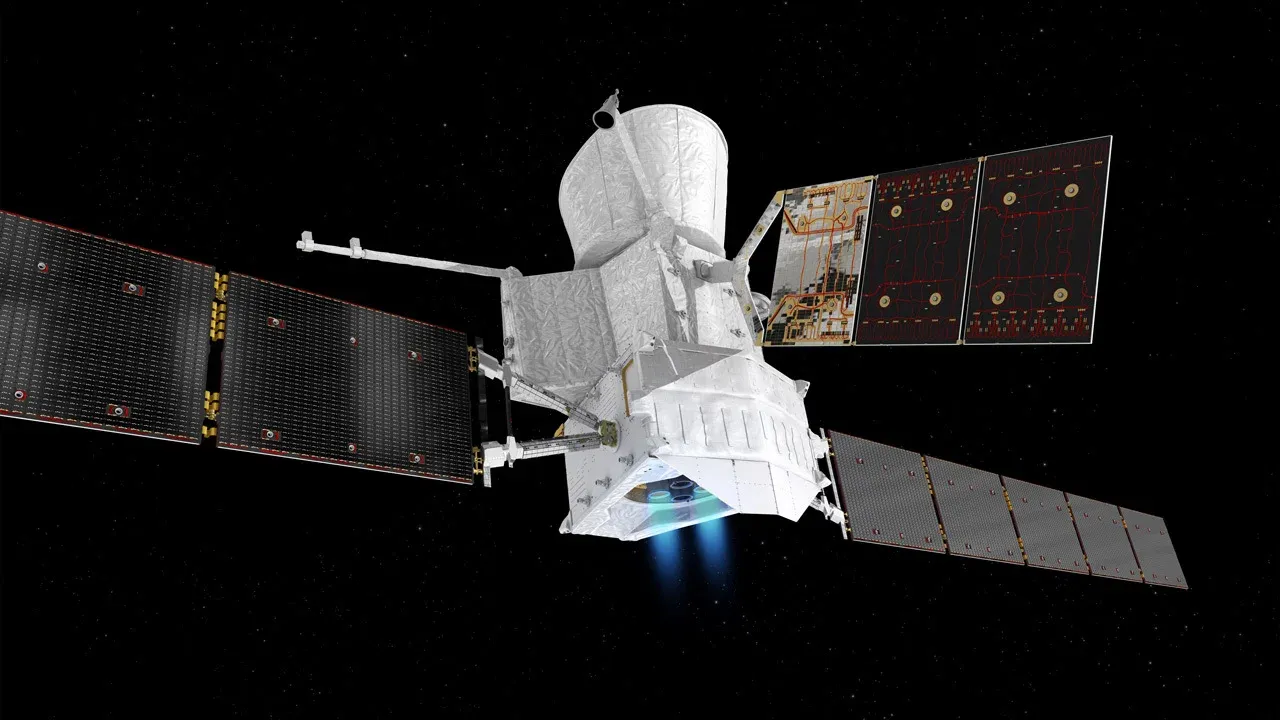
BepiColombo Enters Mercury Orbit Despite Software Glitch After Eight-Year Journey
Categories

Categories

Related Coverage

Select a news story to see related coverage from other media outlets.

Related Coverage

Select a news story to see related coverage from other media outlets.

  1. Home
  2. /
  3. Technology

BepiColombo Enters Mercury Orbit Despite Software Glitch After Eight-Year Journey

Analysed 23 Nov 2026·4 sources analysed·Technology
BepiColombo Enters Mercury Orbit Despite Software Glitch After Eight-Year JourneyPreviousNext

The European-Japanese spacecraft BepiColombo has successfully entered orbit around Mercury after an eight-year journey, becoming only the second spacecraft to do so. During the orbital insertion on November 21, a software glitch caused the thruster burn to end earlier than planned, but the spacecraft remains safe. BepiColombo, a joint mission by ESA and JAXA, will separate into two orbiters in December to study Mercury's magnetic field, surface features, and ice deposits. The mission used multiple gravity assists to navigate the Sun's strong gravitational pull.

Sentiment
52%
TBN's observations

First-hand measurement across 3 sources

We measured how 3 outlets covered this story. No outlet gave this story a measurable political slant — there is no left–right reading to report. Overall sentiment is neutral (52/100). Lens Score 36/100.

Outlets measured: moneycontrol, thehindu, indiatoday. See how each one headlined and framed the same story in the source comparison below.

AI analysis of 3 sources · Published under editorial oversight by The Balanced News
Analysed 23 Nov 2026· How this analysis is produced· Editorial standards· Corrections

AI Analysis

Sentiment — Neutral (52/100)

Sentiment was consistent across outlets (50–78/100), indicating broadly factual reporting rather than editorialising.

Coverage timeline

indiatoday broke this story on 22 Nov, 09:26 am. Other outlets followed.

22 Nov, 09:26 am3 sources · 20 h23 Nov, 05:05 am
AI analysis by the TBN Bias Engine · beat methodology byAshwin Alsi· Technology Editor· editorial standards byOjas Kale
← Previous
Australia's Growing EV Market Highlights Need for Charging Etiquette
Next →
Google Rolls Out Preferred Sources Feature for Customized Search Results in India
  1. 1
    indiatoday22 Nov, 09:26 am
    Earth's messenger reaches Mercury: BepiColombo captured by planet's gravity
  2. 2
    thehindu23 Nov, 02:41 am
    Japan-Europe spacecraft BepiColombo begins orbit of Mercury, with a glitch reported
  3. 3
    moneycontrol23 Nov, 05:05 am
    Only 2nd spacecraft to orbit Mercury, BepiColombo encounters software glitch after 8-year journey- Moneycontrol.com

Who's involved

Institutions and figures named across source coverage.

Government
European Space AgencyJapan Aerospace Exploration Agency

Story context

Category
Tech
Sources analysed
4
Last analysed
23 Nov 2026
Key entities
SpacecraftBepiColomboMercury (planet)OrbitEuropean Space AgencyJAXAMagnetic fieldEarthRocket engineEuropean Space Operations CentreSunGravity assist