Skip to content
Get the Balanced News app for a better experience!
The Balanced News Logo
Analytics
The Balanced News Logo

Stay Balanced, Stay Informed

Menu
  • Browse News
  • Underreported Stories
  • Curated Feeds
  • Insights
  • Analytics
  • Our Writers
  • About Us
  • Download App
Learn
  • How It Works
  • Bias Detection
  • Lens Score
  • Source Bias Checker
  • Accountability
  • Custom Feeds
Newsroom
  • Writers & Analysts
  • About TBN
  • Editorial Standards
  • Corrections Policy
  • Our Partners
  • Insights
Socials
  • Youtube
  • Instagram
  • X
  • Facebook
News Categories
  • Trending
  • Politics
  • Sports
  • Business
  • Tech
  • Entertainment
  • Health
  • Science
  • Crime
  • Lifestyle
  • National
  • International
  • Good News
  • Crypto

Get Our App

Available for iOS and Android


LensFeedsInsightsAnalyticsTrendingGood NewsSportsPoliticsBusinessCrimeTechEntertainmentHealthNationalInternational

© 2026 The Balanced News. All rights reserved.

About UsEditorial StandardsCorrectionsHelp & SupportPrivacy PolicyTerms & Conditions
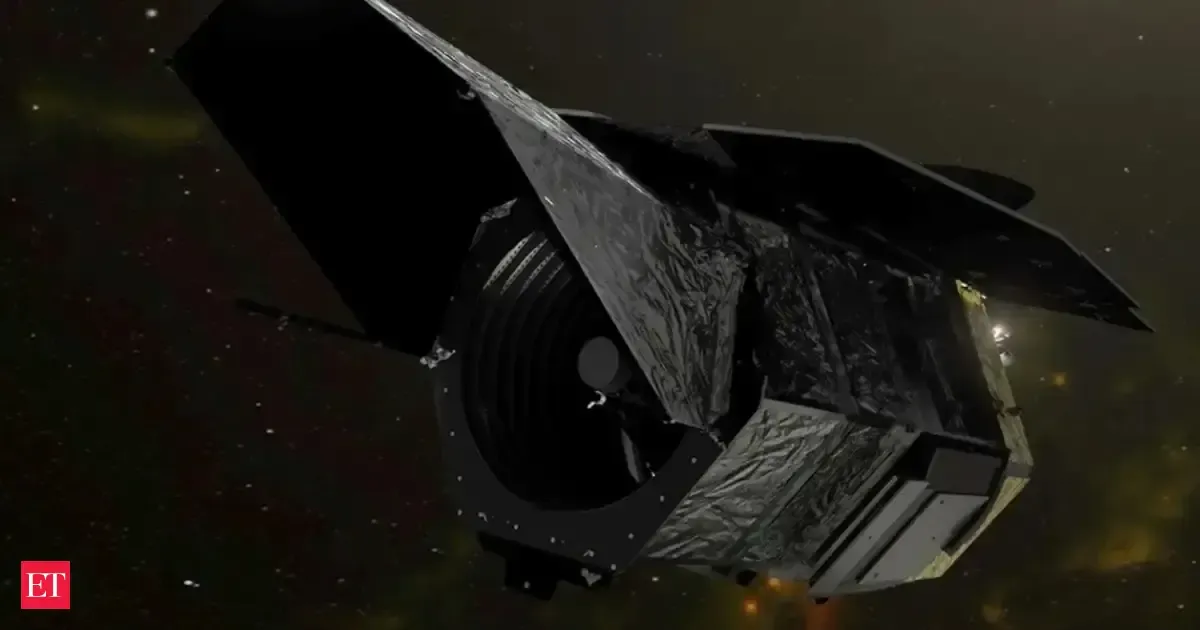
NASA's Roman Space Telescope to Launch for Wide-Area Cosmic Surveys on August 30
Categories

Categories

Related Coverage

Select a news story to see related coverage from other media outlets.

Related Coverage

Select a news story to see related coverage from other media outlets.

  1. Home
  2. /
  3. Technology

NASA's Roman Space Telescope to Launch for Wide-Area Cosmic Surveys on August 30

Analysed 27 Aug 2026·2 sources analysed·Florida, United States·Technology
NASA's Roman Space Telescope to Launch for Wide-Area Cosmic Surveys on August 30PreviousNext

NASA's Nancy Grace Roman Space Telescope is scheduled to launch on August 30 from Florida aboard a SpaceX Falcon Heavy rocket. Designed to survey billions of galaxies, it aims to study dark matter and dark energy by measuring their effects with high precision. The telescope will also search for exoplanets using gravitational microlensing and transit methods. Complementing the Hubble and James Webb telescopes, Roman will focus on wide-area surveys to better understand the universe's expansion and composition.

Sentiment
76%
TBN's observations

First-hand measurement across 2 sources

We measured how 2 outlets covered this story. No outlet gave this story a measurable political slant — there is no left–right reading to report. Overall sentiment is positive (76/100). Lens Score 39/100.

Outlets measured: economictimes, theprint. See how each one headlined and framed the same story in the source comparison below.

AI analysis of 2 sources · Published under editorial oversight by The Balanced News
Analysed 27 Aug 2026· How this analysis is produced· Editorial standards· Corrections

AI Analysis

Sentiment — Positive (76/100)

Sentiment was consistent across outlets (75–78/100), indicating broadly factual reporting rather than editorialising.

Coverage timeline

theprint broke this story on 26 Aug, 12:47 pm. Other outlets followed.

26 Aug, 12:47 pm2 sources · 19 h27 Aug, 07:40 am
AI analysis by the TBN Bias Engine · beat methodology byAshwin Alsi· Technology Editor· editorial standards byOjas Kale
← Previous
Nepal Flash Floods Highlight Challenges and Advances in Early Warning Systems
Next →
Overview of Six Facebook Reels Downloaders That Require No Login
1
theprint26 Aug, 12:47 pm
NASA's new telescope has field of view 100 times bigger than Hubble -- set to launch Sunday
  • 2
    economictimes27 Aug, 07:40 am
    NASA's new Roman Space Telescope set to launch this Sunday will help scientists study dark matter and dark energy across billions of galaxies, unraveling the deepest mysteries of the universe
  • Who's involved

    Institutions and figures named across source coverage.

    Government
    National Aeronautics and Space Administration
    Corporate
    Space Exploration Technologies Corporation

    Story context

    Category
    Tech
    Location
    Florida, United States
    Sources analysed
    2
    Last analysed
    27 Aug 2026
    Key entities
    Dark energyDark matterGalaxyHubble Space TelescopeTelescopeNASAUniverseExoplanetField of viewGravityInfraredNancy Grace Roman Space Telescope