LUX-ZEPLIN Experiment Detects Unusual Particle Interaction Possibly Linked to Dark Matter
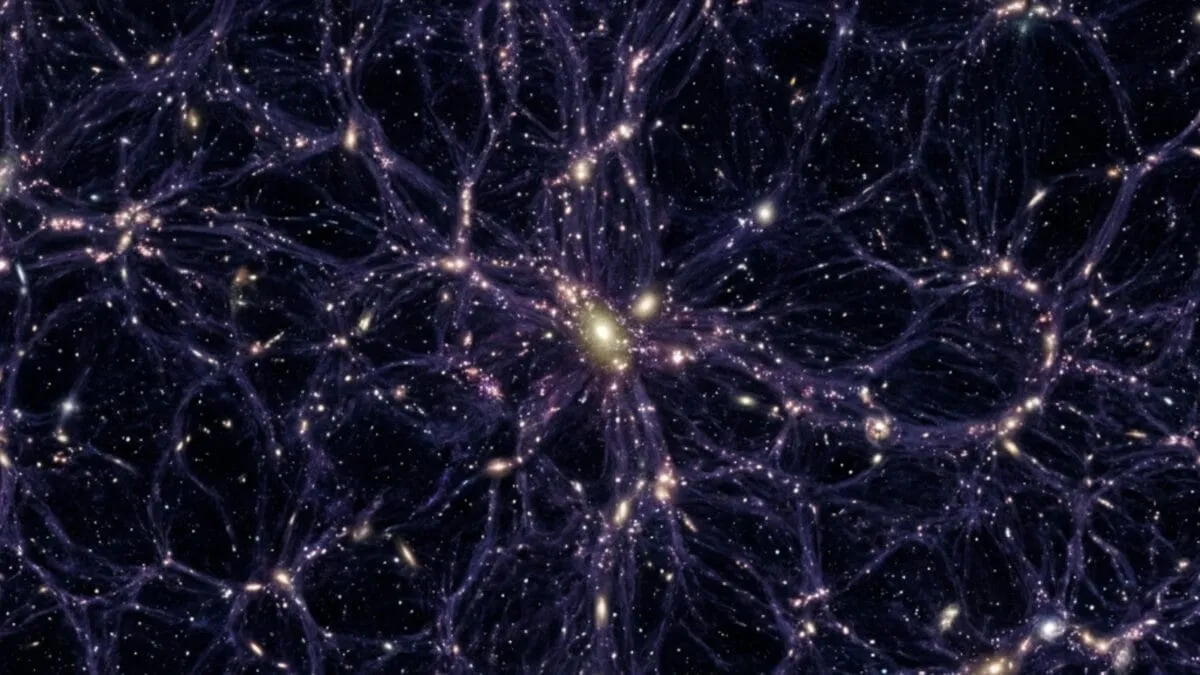
The LUX-ZEPLIN (LZ) experiment in South Dakota has detected a single unusual particle interaction that may indicate the presence of a weakly interacting massive particle (WIMP), a leading dark matter candidate. This event, recorded during 220 days of data collection, shows characteristics not explained by known background radiation but has a statistical significance below the discovery threshold. Scientists emphasize that more data is needed to confirm whether this signal represents dark matter or a statistical anomaly.
First-hand measurement across 2 sources
We measured how 2 outlets covered this story. No outlet gave this story a measurable political slant — there is no left–right reading to report. Overall sentiment is positive (68/100). Lens Score 36/100.
Outlets measured: news18, hindustantimes. See how each one headlined and framed the same story in the source comparison below.
AI Analysis
Sentiment was consistent across outlets (68–68/100), indicating broadly factual reporting rather than editorialising.
Coverage timeline
hindustantimes broke this story on 3 Sept, 12:00 pm. Other outlets followed.
- 1