GalaxEye's Mission Drishti Satellite Loses Contact After Solar Storm Anomaly
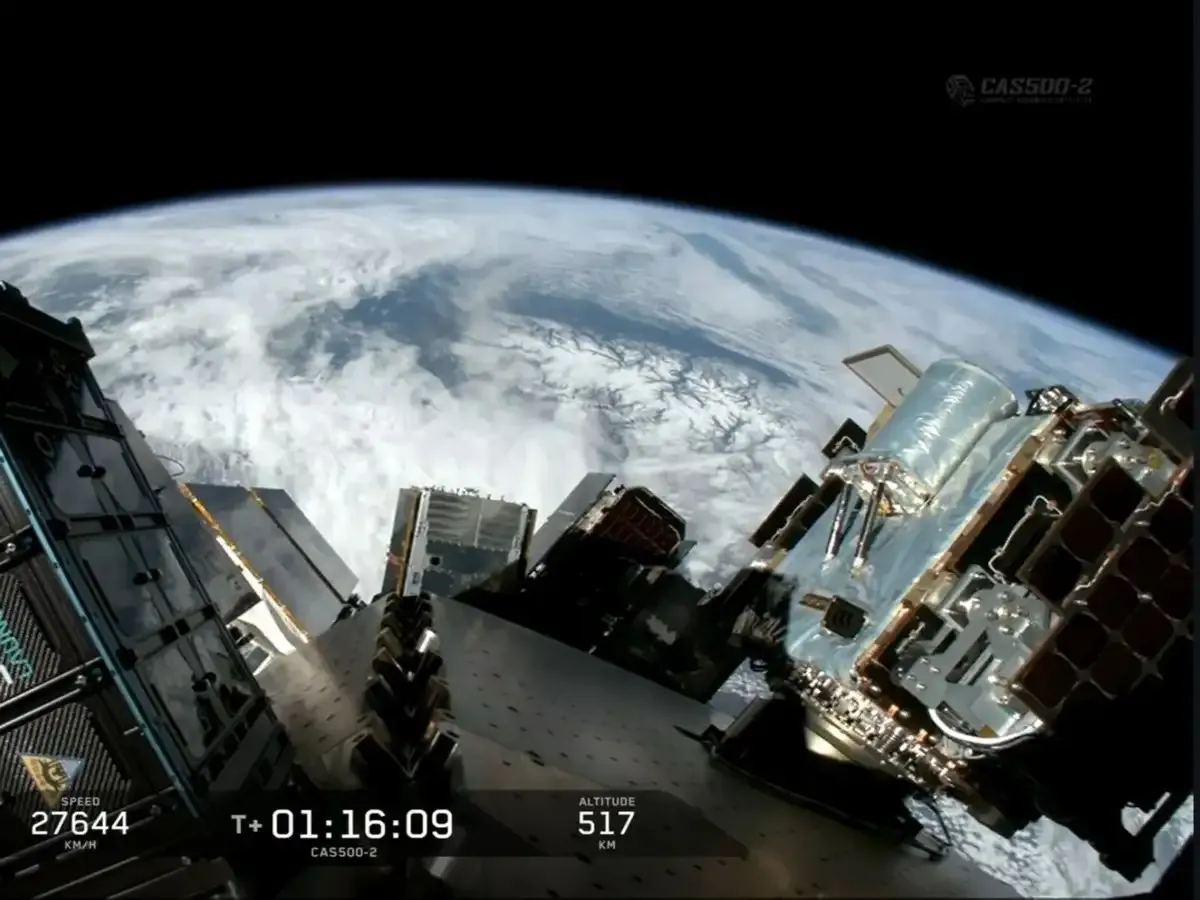
Bengaluru-based startup GalaxEye's Mission Drishti, the world's first OptoSAR satellite and India's largest private Earth observation spacecraft, lost communication following an anomaly caused by a geomagnetic solar storm during the final stage of its Launch and Early Orbit Phase. Despite successful validation of key technologies and mission operations, recovery efforts continue with low likelihood of success. GalaxEye plans to launch two new OptoSAR satellites within the next 24 months, building on the mission's technological achievements.
First-hand measurement across 3 sources
We measured how 3 outlets covered this story. Coverage leans balanced overall (Left 0%, Centre 100%, Right 0%). Overall sentiment is neutral (60/100). Lens Score 37/100 — moderate-to-low public interest.
Outlets analysed (first-hand measurement by TBN's Bias Engine):
- economictimes— balanced framing, neutral sentiment
- theassamtribune— balanced framing, positive sentiment
- thehindu— balanced framing, neutral sentiment
AI Analysis
The articles present a largely technical and developmental perspective focused on GalaxEye's achievements and challenges, with no evident political framing. Coverage includes official company statements and recognition from government leaders, reflecting support for India's private space sector without partisan commentary. The narrative centers on innovation and recovery efforts, representing both success and setback fairly.
The overall tone is mixed, combining positive emphasis on technological validation and mission milestones with a sober acknowledgment of the communication loss and low recovery prospects. The coverage balances optimism about future satellite launches with the reality of the current mission's anomaly, maintaining a factual and measured sentiment throughout.
How 3 sources covered this story
Each source's own headline, political lean, and sentiment — so you can see framing differences at a glance.