Skip to content
Get the Balanced News app for a better experience!
The Balanced News Logo
Analytics
The Balanced News Logo

Stay Balanced, Stay Informed

Menu
  • Browse News
  • Underreported Stories
  • Curated Feeds
  • Insights
  • Analytics
  • Our Writers
  • About Us
  • Download App
Learn
  • How It Works
  • Bias Detection
  • Lens Score
  • Source Bias Checker
  • Accountability
  • Custom Feeds
Newsroom
  • Writers & Analysts
  • About TBN
  • Editorial Standards
  • Corrections Policy
  • Our Partners
  • Insights
Socials
  • Youtube
  • Instagram
  • X
  • Facebook
News Categories
  • Trending
  • Politics
  • Sports
  • Business
  • Tech
  • Entertainment
  • Health
  • Science
  • Crime
  • Lifestyle
  • National
  • International
  • Good News
  • Crypto

Get Our App

Available for iOS and Android


LensFeedsInsightsAnalyticsTrendingGood NewsSportsPoliticsBusinessCrimeTechEntertainmentHealthNationalInternational

© 2026 The Balanced News. All rights reserved.

About UsEditorial StandardsCorrectionsHelp & SupportPrivacy PolicyTerms & Conditions
Environmental and Privacy Considerations of the 1980s AI Photo Trend
Categories

Categories

Related Coverage

Select a news story to see related coverage from other media outlets.

Related Coverage

Select a news story to see related coverage from other media outlets.

  1. Home
  2. /
  3. Technology

Environmental and Privacy Considerations of the 1980s AI Photo Trend

Analysed 13 Sept 2026·2 sources analysed·Cambridge, United Kingdom·Technology
Environmental and Privacy Considerations of the 1980s AI Photo TrendNext

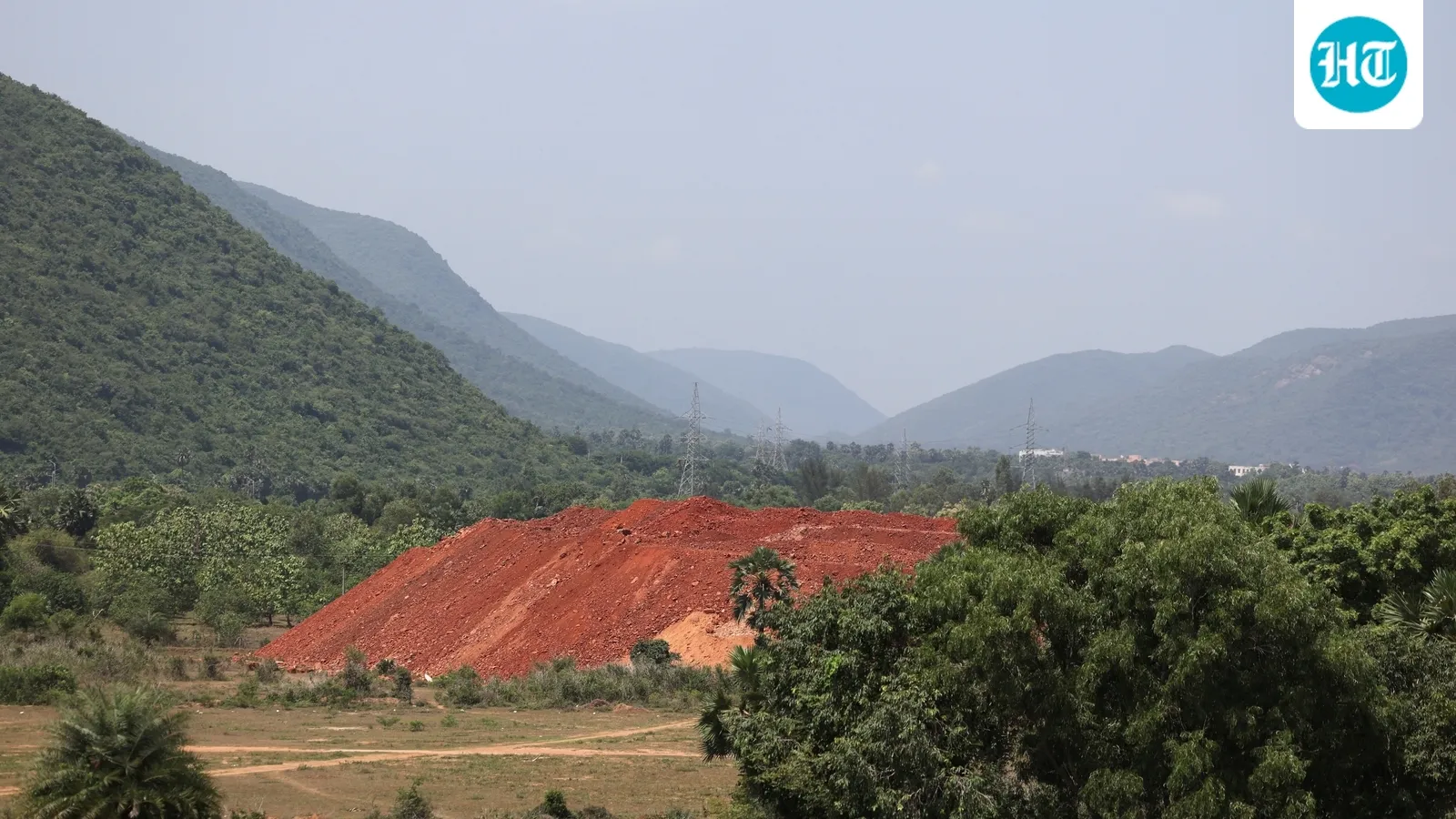
The 1980s AI photo trend, popular on social media, involves users uploading selfies to generate retro-style images using AI tools. Experts note that creating each AI image consumes electricity and cooling resources, with estimates ranging from 0.1 to several watt-hours per image depending on the model and setup. Additionally, data centers powering these AI systems contribute to environmental impacts such as increased local temperatures and water usage, prompting concerns and protests in some Indian cities. Privacy issues also arise as user images may be stored and used for AI training unless opted out.

Sentiment
45%
TBN's observations

First-hand measurement across 2 sources

We measured how 2 outlets covered this story. No outlet gave this story a measurable political slant — there is no left–right reading to report. Overall sentiment is neutral (45/100). Lens Score 32/100.

Outlets measured: hindustantimes, firstpost. See how each one headlined and framed the same story in the source comparison below.

AI analysis of 2 sources · Published under editorial oversight by The Balanced News
Analysed 13 Sept 2026· How this analysis is produced· Editorial standards· Corrections

AI Analysis

Sentiment — Neutral (45/100)

Sentiment was consistent across outlets (38–52/100), indicating broadly factual reporting rather than editorialising.

Coverage timeline

firstpost broke this story on 13 Sept, 03:13 am. Other outlets followed.

13 Sept, 03:13 am2 sources · 11 h13 Sept, 02:32 pm
AI analysis by the TBN Bias Engine · beat methodology byAshwin Alsi· Technology Editor· editorial standards byOjas Kale
Next →
Tech Professionals Compare Bengaluru, Hyderabad, and Gurgaon on Living Conditions and Commute
1
firstpost13 Sept, 03:13 am
1980s AI photo trend: How much energy and water does one AI image use? Experts answer
  • 2
    hindustantimes13 Sept, 02:32 pm
    AI 1980s photo trend: From privacy to climate impact, 3 things to consider before joining in
  • Who's involved

    Institutions and figures named across source coverage.

    Corporate
    GoogleOpenAI

    Story context

    Category
    Tech
    Location
    Cambridge, United Kingdom
    Sources analysed
    2
    Last analysed
    13 Sept 2026
    Key entities
    Kilowatt-hourWater footprintData centerArtificial intelligenceElectricityInternational Energy AgencyInstagramViral phenomenonChatGPTUnited Nations UniversityComputingChief technology officer