Skip to content
Get the Balanced News app for a better experience!
The Balanced News Logo
Analytics
The Balanced News Logo

Stay Balanced, Stay Informed

Menu
  • Browse News
  • Underreported Stories
  • Curated Feeds
  • Insights
  • Analytics
  • Our Writers
  • About Us
  • Download App
Learn
  • How It Works
  • Bias Detection
  • Lens Score
  • Source Bias Checker
  • Accountability
  • Custom Feeds
Newsroom
  • Writers & Analysts
  • About TBN
  • Editorial Standards
  • Corrections Policy
  • Our Partners
  • Insights
Socials
  • Youtube
  • Instagram
  • X
  • Facebook
News Categories
  • Trending
  • Politics
  • Sports
  • Business
  • Tech
  • Entertainment
  • Health
  • Science
  • Crime
  • Lifestyle
  • National
  • International
  • Good News
  • Crypto

Get Our App

Available for iOS and Android


LensFeedsInsightsAnalyticsTrendingGood NewsSportsPoliticsBusinessCrimeTechEntertainmentHealthNationalInternational

© 2026 The Balanced News. All rights reserved.

About UsEditorial StandardsCorrectionsHelp & SupportPrivacy PolicyTerms & Conditions
Skyroot Aerospace to Launch Reflect Orbital Satellites Redirecting Sunlight to Earth
Categories

Categories

Related Coverage

Select a news story to see related coverage from other media outlets.

Related Coverage

Select a news story to see related coverage from other media outlets.

  1. Home
  2. /
  3. Technology

Skyroot Aerospace to Launch Reflect Orbital Satellites Redirecting Sunlight to Earth

Analysed 15 Oct 2026·3 sources analysed·California, United States·Technology
Skyroot Aerospace to Launch Reflect Orbital Satellites Redirecting Sunlight to EarthPreviousNext

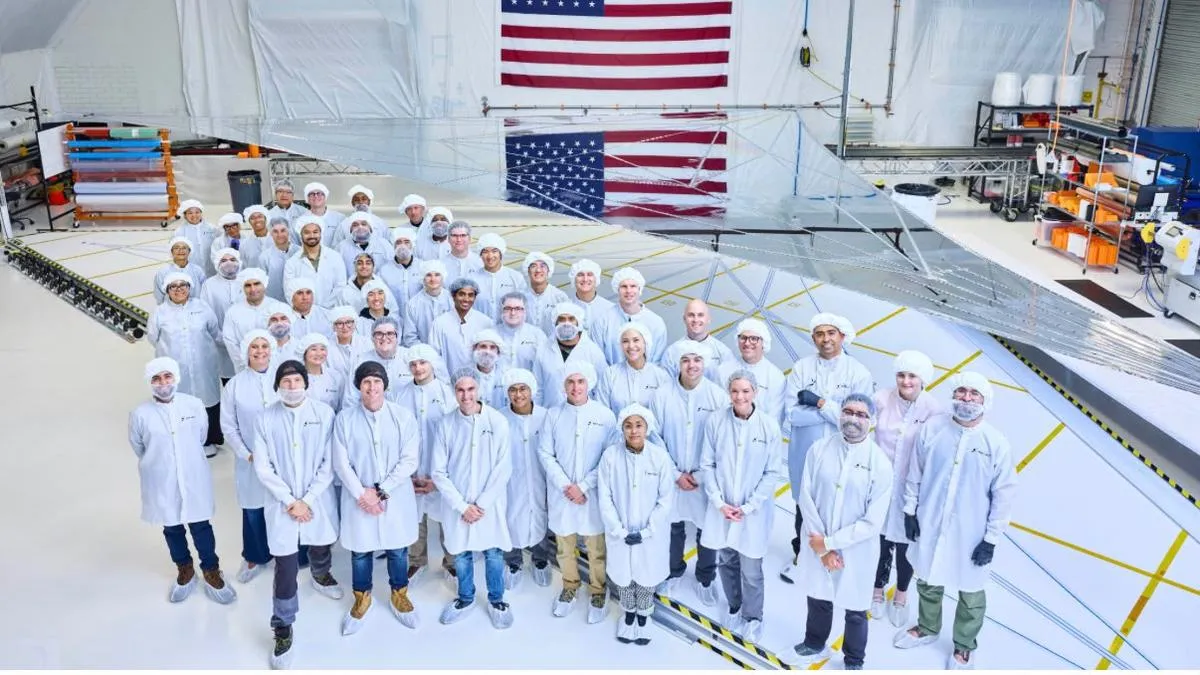
India's private space company Skyroot Aerospace has secured a contract with US firm Reflect Orbital for two dedicated launches of satellites designed to redirect sunlight to Earth after dark. These satellites aim to provide additional illumination for applications like solar farms, emergency operations, and construction sites. While the technology promises extended solar energy generation and lighting without new infrastructure, its effectiveness and potential impacts on light pollution and astronomy remain to be demonstrated. Launch dates and financial details have not been disclosed.

Sentiment
69%
TBN's observations

First-hand measurement across 3 sources

We measured how 3 outlets covered this story. No outlet gave this story a measurable political slant — there is no left–right reading to report. Overall sentiment is positive (69/100). Lens Score 39/100.

Outlets measured: thehindu, indiatoday, ndtv. See how each one headlined and framed the same story in the source comparison below.

AI analysis of 3 sources · Published under editorial oversight by The Balanced News
Analysed 15 Oct 2026· How this analysis is produced· Editorial standards· Corrections

AI Analysis

Sentiment — Positive (69/100)

Sentiment was consistent across outlets (55–78/100), indicating broadly factual reporting rather than editorialising.

Coverage timeline

ndtv broke this story on 14 Oct, 06:48 pm. Other outlets followed.

14 Oct, 06:48 pm3 sources · 13 h15 Oct, 07:43 am
AI analysis by the TBN Bias Engine · beat methodology byAshwin Alsi· Technology Editor· editorial standards byOjas Kale
← Previous
India Mandates Caller Name Display on Mobile Phones from November 1, 2026
Next →
BrowserStack Introduces Real-Browser Load Testing Ahead of Holiday Sales
  1. 1
    ndtv14 Oct, 06:48 pm
    India's Skyroot Bags Major Private US Contract After Vikram-1 Launch Success
  2. 2
    indiatoday15 Oct, 06:33 am
    Startup hires Skyroot to launch satellites to beam sunlight on Earth at night
  3. 3
    thehindu15 Oct, 07:43 am
    US startup Reflect Orbital books two launches of Skyroot Aerospace

Who's involved

Institutions and figures named across source coverage.

Corporate
Skyroot AerospaceReflect Orbital

Story context

Category
Tech
Location
California, United States
Sources analysed
3
Last analysed
15 Oct 2026
Key entities
SunlightSkyroot AerospaceRocketIndiaSearch and rescueSpacecraftOrbitSatelliteEarthChandrayaan-2SunsetOrbital Sciences Corporation