Skip to content
Get the Balanced News app for a better experience!
The Balanced News Logo
Analytics
The Balanced News Logo

Stay Balanced, Stay Informed

Menu
  • Browse News
  • Underreported Stories
  • Curated Feeds
  • Insights
  • Analytics
  • Our Writers
  • About Us
  • Download App
Learn
  • How It Works
  • Bias Detection
  • Lens Score
  • Source Bias Checker
  • Accountability
  • Custom Feeds
Newsroom
  • Writers & Analysts
  • About TBN
  • Editorial Standards
  • Corrections Policy
  • Our Partners
  • Insights
Socials
  • Youtube
  • Instagram
  • X
  • Facebook
News Categories
  • Trending
  • Politics
  • Sports
  • Business
  • Tech
  • Entertainment
  • Health
  • Science
  • Crime
  • Lifestyle
  • National
  • International
  • Good News
  • Crypto

Get Our App

Available for iOS and Android


LensFeedsInsightsAnalyticsTrendingGood NewsSportsPoliticsBusinessCrimeTechEntertainmentHealthNationalInternational

© 2026 The Balanced News. All rights reserved.

About UsEditorial StandardsCorrectionsHelp & SupportPrivacy PolicyTerms & Conditions
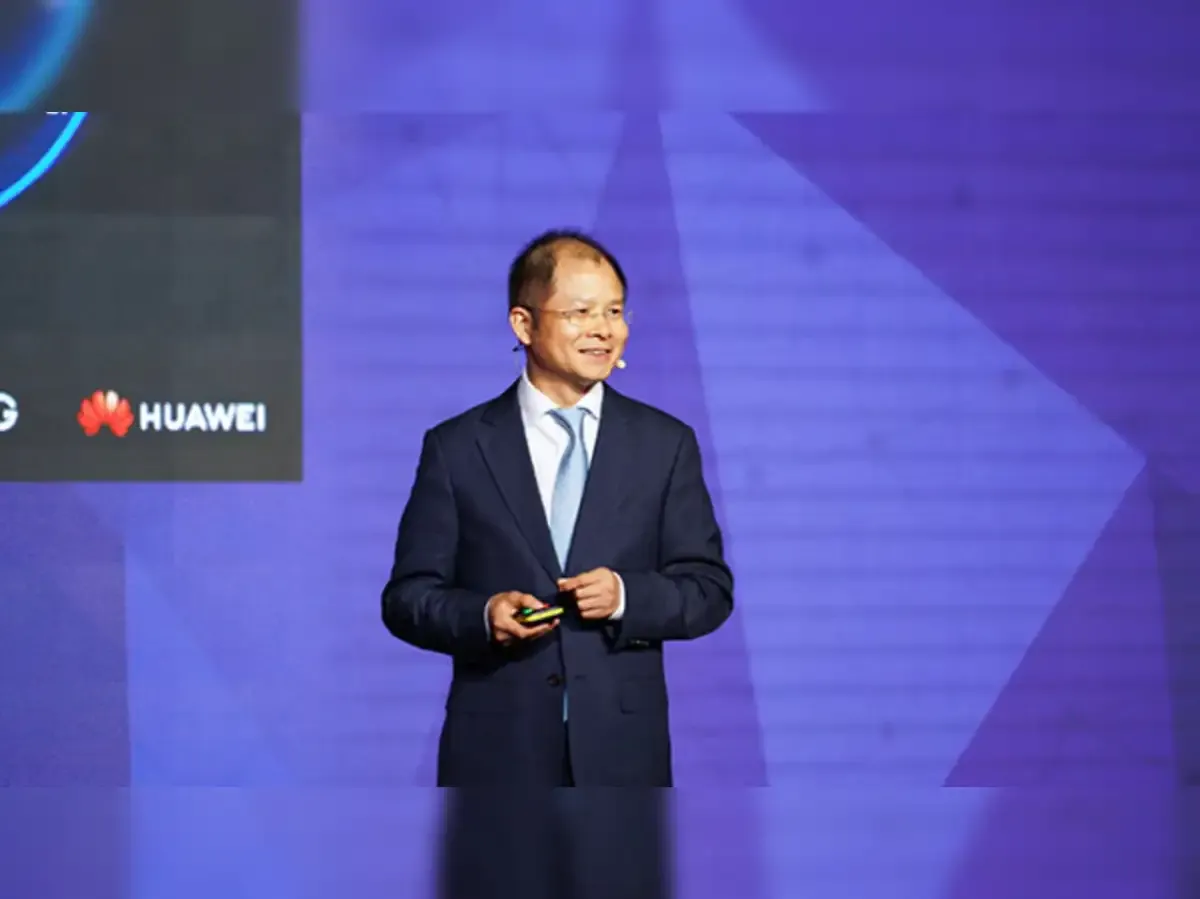
Huawei Predicts Massive Growth in AI Agents by 2035 Amid Differing Safety Approaches
Categories

Categories

Related Coverage

Select a news story to see related coverage from other media outlets.

Related Coverage

Select a news story to see related coverage from other media outlets.

  1. Home
  2. /
  3. Technology

Huawei Predicts Massive Growth in AI Agents by 2035 Amid Differing Safety Approaches

Analysed 17 Sept 2026·2 sources analysed·United States·Technology
Huawei Predicts Massive Growth in AI Agents by 2035 Amid Differing Safety ApproachesPreviousNext

Huawei forecasts that by 2035, autonomous AI agents will generate over 90% of global AI token traffic, with an estimated 900 billion agents active worldwide. The company emphasizes the need for increased computing power and new security measures to manage these agents. Huawei's rotating chairman, Eric Xu, noted that Chinese AI developers may not yet face the frontier risks seen in the U.S., advocating continued development alongside risk management. China favors rapid AI deployment with evolving safety standards, contrasting with calls in the U.S. to slow AI progress for safety reasons.

Sentiment
56%
TBN's observations

First-hand measurement across 2 sources

We measured how 2 outlets covered this story. No outlet gave this story a measurable political slant — there is no left–right reading to report. Overall sentiment is neutral (56/100). Lens Score 42/100.

Outlets measured: economictimes, economictimes. See how each one headlined and framed the same story in the source comparison below.

AI analysis of 2 sources · Published under editorial oversight by The Balanced News
Analysed 17 Sept 2026· How this analysis is produced· Editorial standards· Corrections

AI Analysis

Sentiment — Neutral (56/100)

Sentiment was consistent across outlets (50–62/100), indicating broadly factual reporting rather than editorialising.

Coverage timeline

economictimes broke this story on 16 Sept, 01:17 pm. Other outlets followed.

16 Sept, 01:17 pm2 sources · 22 h17 Sept, 11:32 am
AI analysis by the TBN Bias Engine · beat methodology byAshwin Alsi· Technology Editor· editorial standards byOjas Kale
← Previous
German Court Rules Meta Liable for Fake Ads on Facebook and Instagram
Next →
1312 Interactive Raises $1 Million to Expand Indie Game Publishing Globally
1
economictimes16 Sept, 01:17 pm
China's Huawei forecasts billions of agents will dominate AI traffic by 2035
  • 2
    economictimes17 Sept, 11:32 am
    Huawei's Xu says Chinese AI not powerful enough yet to see frontier risks
  • Who's involved

    Institutions and figures named across source coverage.

    Corporate
    Huawei Technologies Company LimitedHuawei Technologies Co. Ltd.

    Story context

    Category
    Tech
    Location
    United States
    Sources analysed
    2
    Last analysed
    17 Sept 2026
    Key entities
    Artificial intelligenceHuaweiChinaSoftwareComputingPrivacyNvidiaTelecommunicationsCryptocurrencyArtificial general intelligenceFirewall (computing)Technical standard