Skip to content
Get the Balanced News app for a better experience!
The Balanced News Logo
Analytics
The Balanced News Logo

Stay Balanced, Stay Informed

Menu
  • Browse News
  • Underreported Stories
  • Curated Feeds
  • Insights
  • Analytics
  • Our Writers
  • About Us
  • Download App
Learn
  • How It Works
  • Bias Detection
  • Lens Score
  • Source Bias Checker
  • Accountability
  • Custom Feeds
Newsroom
  • Writers & Analysts
  • About TBN
  • Editorial Standards
  • Corrections Policy
  • Our Partners
  • Insights
Socials
  • Youtube
  • Instagram
  • X
  • Facebook
News Categories
  • Trending
  • Politics
  • Sports
  • Business
  • Tech
  • Entertainment
  • Health
  • Science
  • Crime
  • Lifestyle
  • National
  • International
  • Good News
  • Crypto

Get Our App

Available for iOS and Android


LensFeedsInsightsAnalyticsTrendingGood NewsSportsPoliticsBusinessCrimeTechEntertainmentHealthNationalInternational

© 2026 The Balanced News. All rights reserved.

About UsEditorial StandardsCorrectionsHelp & SupportPrivacy PolicyTerms & Conditions
Scientists Develop World's First Working Nuclear Clocks Using Thorium-229
Categories

Categories

Related Coverage

Select a news story to see related coverage from other media outlets.

Related Coverage

Select a news story to see related coverage from other media outlets.

  1. Home
  2. /
  3. Technology

Scientists Develop World's First Working Nuclear Clocks Using Thorium-229

Analysed 8 Oct 2026·2 sources analysed·Vienna, Austria·Technology
Scientists Develop World's First Working Nuclear Clocks Using Thorium-229PreviousNext

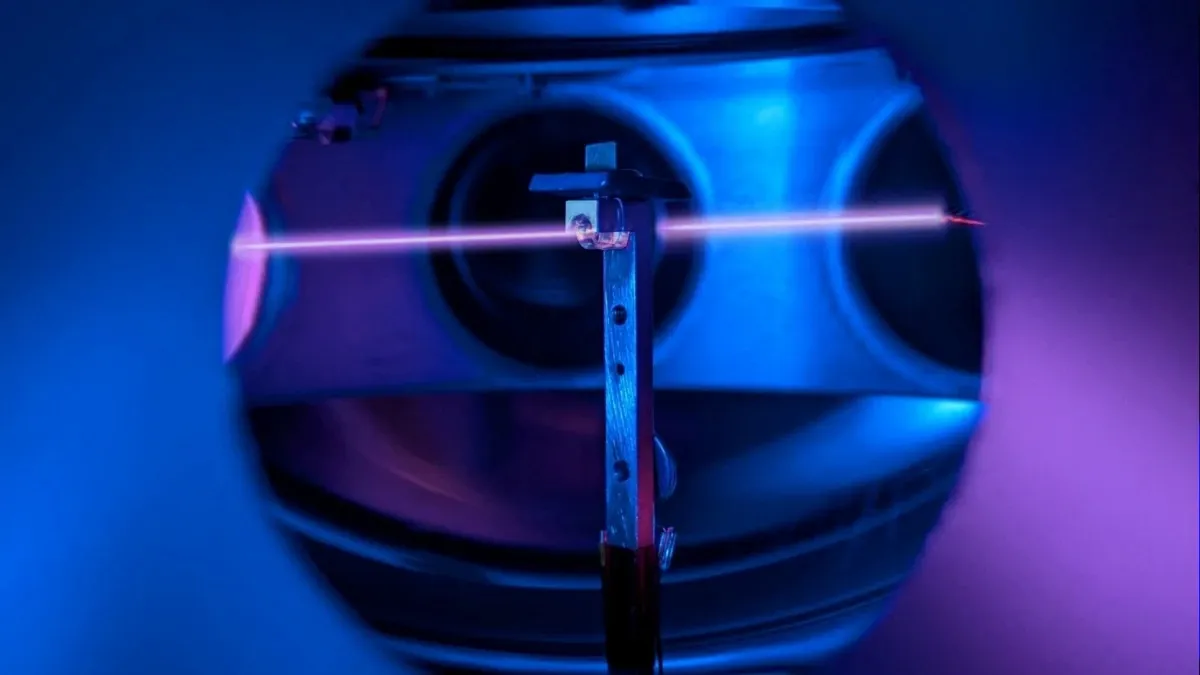
Scientists from Europe and China have developed the world's first working nuclear clocks, using the thorium-229 isotope embedded in calcium fluoride crystals. Unlike atomic clocks that measure electron transitions, these nuclear clocks track energy changes within the atomic nucleus, offering potential for greater precision and stability. The clocks use ultraviolet lasers to excite thorium nuclei, with feedback systems correcting laser frequency drift. While current models do not yet surpass atomic clocks, they represent a significant advance in timekeeping technology with applications in navigation and fundamental physics.

Sentiment
64%
TBN's observations

First-hand measurement across 2 sources

We measured how 2 outlets covered this story. No outlet gave this story a measurable political slant — there is no left–right reading to report. Overall sentiment is positive (64/100). Lens Score 35/100.

Outlets measured: indiatoday, thehindu. See how each one headlined and framed the same story in the source comparison below.

AI analysis of 2 sources · Published under editorial oversight by The Balanced News
Analysed 8 Oct 2026· How this analysis is produced· Editorial standards· Corrections

AI Analysis

Sentiment — Positive (64/100)

Sentiment was consistent across outlets (62–65/100), indicating broadly factual reporting rather than editorialising.

Coverage timeline

thehindu broke this story on 8 Oct, 01:33 am. Other outlets followed.

8 Oct, 01:33 am2 sources · 6 h8 Oct, 07:55 am
  1. 1
AI analysis by the TBN Bias Engine · beat methodology byAshwin Alsi· Technology Editor· editorial standards byOjas Kale
← Previous
AI Aesthetics Launches India's First Dermatologist-Trained AI Treatment Engines in Jaipur
Next →
Overview of Top Pinterest Downloaders Without Login or Installation
thehindu8 Oct, 01:33 am
Scientists report world's first working nuclear clocks
  • 2
    indiatoday8 Oct, 07:55 am
    World's first nuclear clock is ready: What is it, and why does it matter?
  • Story context

    Category
    Tech
    Location
    Vienna, Austria
    Sources analysed
    2
    Last analysed
    8 Oct 2026
    Key entities
    Atomic nucleusAtomic clockClockLaserIsotopes of thoriumElectronNuclear clockThoriumUltravioletNature (journal)CrystalYtterbium