Skip to content
Get the Balanced News app for a better experience!
The Balanced News Logo
Analytics
The Balanced News Logo

Stay Balanced, Stay Informed

Menu
  • Browse News
  • Underreported Stories
  • Curated Feeds
  • Insights
  • Analytics
  • Our Writers
  • About Us
  • Download App
Learn
  • How It Works
  • Bias Detection
  • Lens Score
  • Source Bias Checker
  • Accountability
  • Custom Feeds
Newsroom
  • Writers & Analysts
  • About TBN
  • Editorial Standards
  • Corrections Policy
  • Our Partners
  • Insights
Socials
  • Youtube
  • Instagram
  • X
  • Facebook
News Categories
  • Trending
  • Politics
  • Sports
  • Business
  • Tech
  • Entertainment
  • Health
  • Science
  • Crime
  • Lifestyle
  • National
  • International
  • Good News
  • Crypto

Get Our App

Available for iOS and Android


LensFeedsInsightsAnalyticsTrendingGood NewsSportsPoliticsBusinessCrimeTechEntertainmentHealthNationalInternational

© 2026 The Balanced News. All rights reserved.

About UsEditorial StandardsCorrectionsHelp & SupportPrivacy PolicyTerms & Conditions
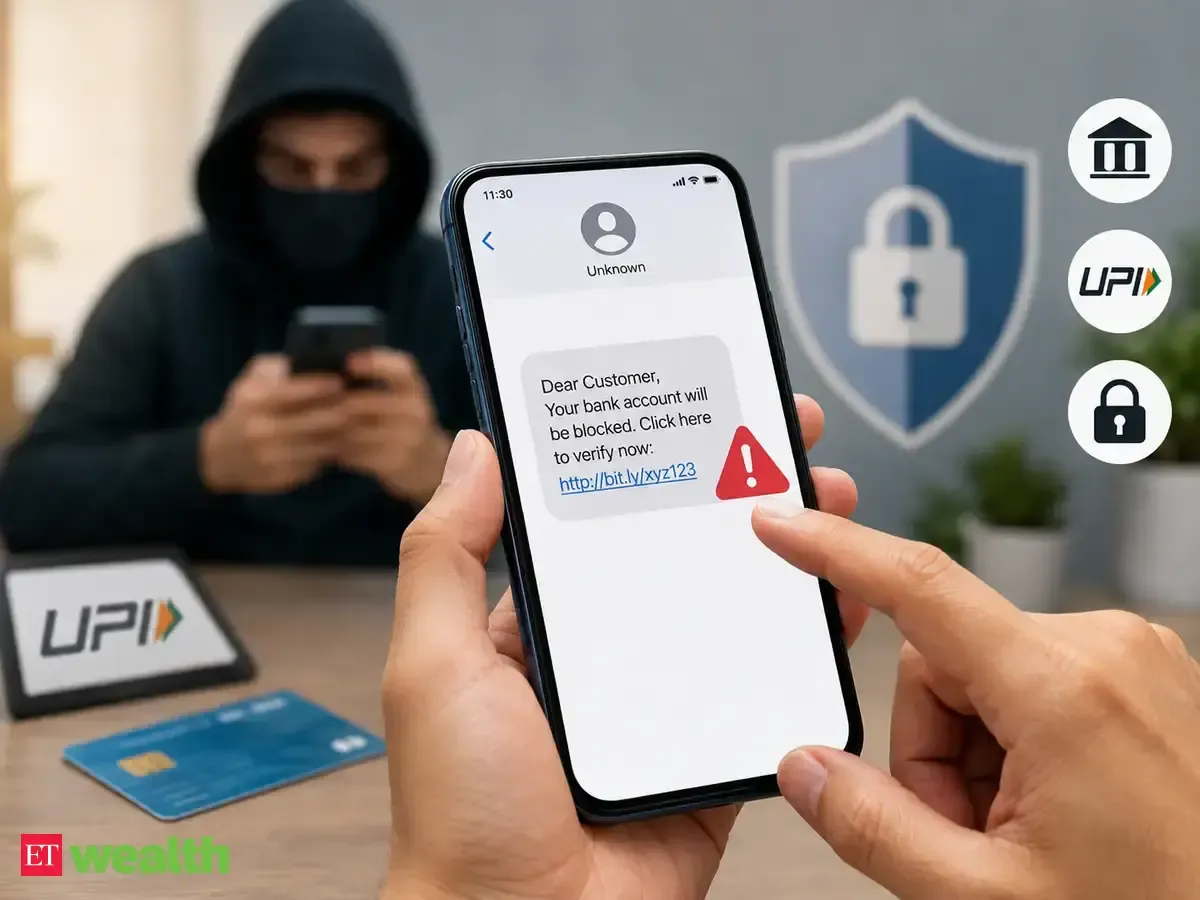
Advanced Cyber Scams Rise in India; NPCI Advises on Protecting Bank Accounts
Categories

Categories

Related Coverage

Select a news story to see related coverage from other media outlets.

Related Coverage

Select a news story to see related coverage from other media outlets.

  1. Home
  2. /
  3. Technology

Advanced Cyber Scams Rise in India; NPCI Advises on Protecting Bank Accounts

Analysed 4 Aug 2026·2 sources analysed·India·Technology
Advanced Cyber Scams Rise in India; NPCI Advises on Protecting Bank AccountsPreviousNext

Cybercriminals in India are increasingly using advanced techniques like AI voice cloning, deepfakes, synthetic identity fraud, and mule account networks to deceive individuals and bypass traditional security measures. In 2025, nearly half of Indian adults experienced or knew victims of such scams, resulting in significant financial losses totaling over Rs 22,495 crore. The National Payments Corporation of India (NPCI) highlights common scam tactics, such as fake text messages and urgent calls, and offers advice on recognizing and avoiding these frauds to protect personal and financial information.

Sentiment
45%
TBN's observations

First-hand measurement across 2 sources

We measured how 2 outlets covered this story. No outlet gave this story a measurable political slant — there is no left–right reading to report. Overall sentiment is neutral (45/100). Lens Score 47/100.

Outlets measured: economictimes, zeenews. See how each one headlined and framed the same story in the source comparison below.

AI analysis of 2 sources · Published under editorial oversight by The Balanced News
Analysed 4 Aug 2026· How this analysis is produced· Editorial standards· Corrections

AI Analysis

Sentiment — Neutral (45/100)

Sentiment was consistent across outlets (38–52/100), indicating broadly factual reporting rather than editorialising.

Coverage timeline

zeenews broke this story on 3 Aug, 04:07 pm. Other outlets followed.

3 Aug, 04:07 pm2 sources · 11 h4 Aug, 03:10 am
AI analysis by the TBN Bias Engine · beat methodology byAshwin Alsi· Technology Editor· editorial standards byOjas Kale
← Previous
ISRO Scientist Highlights Space Technology's Role in India's Growth and Development
Next →
12-Year-Old Develops Technology to Convert Movement into Electricity
1
zeenews3 Aug, 04:07 pm
Cybercriminals outsmart existing safeguards with new tricks: Know how you can escape their trap
  • 2
    economictimes4 Aug, 03:10 am
    NPCI explains how scammers target your money; shares tips to protect your bank account, UPI - NPCI explains how scammers target your money
  • Who's involved

    Institutions and figures named across source coverage.

    Government
    Indian Cyber Crime Coordination CentreC-DAC
    Corporate
    Per AnnumNational Payments Corporation of India

    Story context

    Category
    Tech
    Location
    India
    Sources analysed
    2
    Last analysed
    4 Aug 2026
    Key entities
    Bank accountConfidence trickFraudDeepfakeMuleArtificial intelligenceIndiaCybercrimeIndian rupeeSai PallaviIdentity fraudSita