Big Tech AI Expansion Raises Environmental and Community Health Concerns
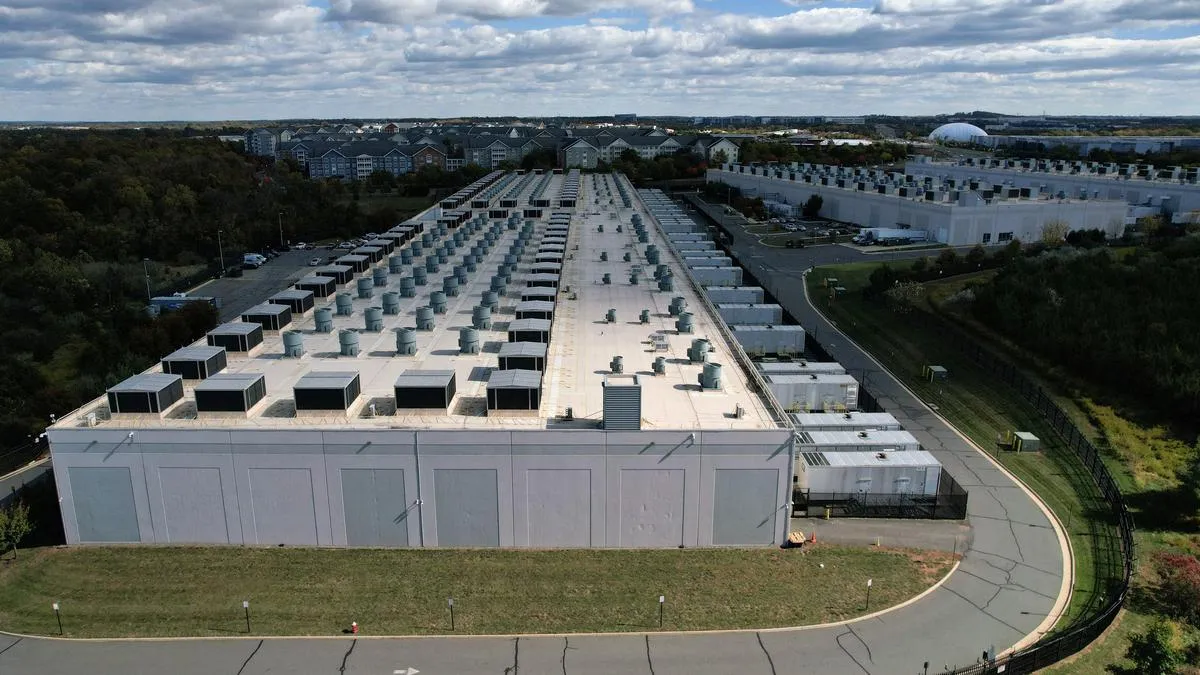
Big Tech companies, including Google and Elon Musk's xAI, are expanding AI-related data centers, leading to significant environmental impacts. Google's carbon emissions rose over 18% from 2024 to 2025 due to increased data center operations, while xAI's Colossus 2 project in Tennessee has installed numerous natural gas turbines without federal permits, raising concerns about pollution near predominantly Black communities with high lung disease rates. These developments highlight growing environmental and public health challenges amid rapid AI infrastructure growth.
First-hand measurement across 2 sources
We measured how 2 outlets covered this story. Coverage leans centre-left overall (Left 55%, Centre 40%, Right 5%). Overall sentiment is negative (30/100). Lens Score 44/100 — moderate-to-low public interest.
Outlets analysed (first-hand measurement by TBN's Bias Engine):
- economictimes— left-leaning framing, negative sentiment
- thehindu— balanced framing, negative sentiment
AI Analysis
The articles present perspectives focusing on environmental accountability and regulatory oversight without explicit political alignment. Coverage includes corporate reporting on emissions and regulatory challenges faced by AI companies, reflecting concerns from environmental and community health viewpoints. The framing centers on factual reporting of emissions data and permit issues, representing both corporate and public interest perspectives.
The overall tone is cautionary and critical regarding environmental and health impacts of AI infrastructure expansion. While acknowledging corporate growth and technological advancement, the articles emphasize negative consequences such as increased emissions and regulatory noncompliance, conveying concern for environmental sustainability and community well-being.