Skip to content
Get the Balanced News app for a better experience!
The Balanced News Logo
Analytics
The Balanced News Logo

Stay Balanced, Stay Informed

Menu
  • Browse News
  • Underreported Stories
  • Curated Feeds
  • Insights
  • Analytics
  • Our Writers
  • About Us
  • Download App
Learn
  • How It Works
  • Bias Detection
  • Lens Score
  • Source Bias Checker
  • Accountability
  • Custom Feeds
Newsroom
  • Writers & Analysts
  • About TBN
  • Editorial Standards
  • Corrections Policy
  • Our Partners
  • Insights
Socials
  • Youtube
  • Instagram
  • X
  • Facebook
News Categories
  • Trending
  • Politics
  • Sports
  • Business
  • Tech
  • Entertainment
  • Health
  • Science
  • Crime
  • Lifestyle
  • National
  • International
  • Good News
  • Crypto

Get Our App

Available for iOS and Android


LensFeedsInsightsAnalyticsTrendingGood NewsSportsPoliticsBusinessCrimeTechEntertainmentHealthNationalInternational

© 2026 The Balanced News. All rights reserved.

About UsEditorial StandardsCorrectionsHelp & SupportPrivacy PolicyTerms & Conditions
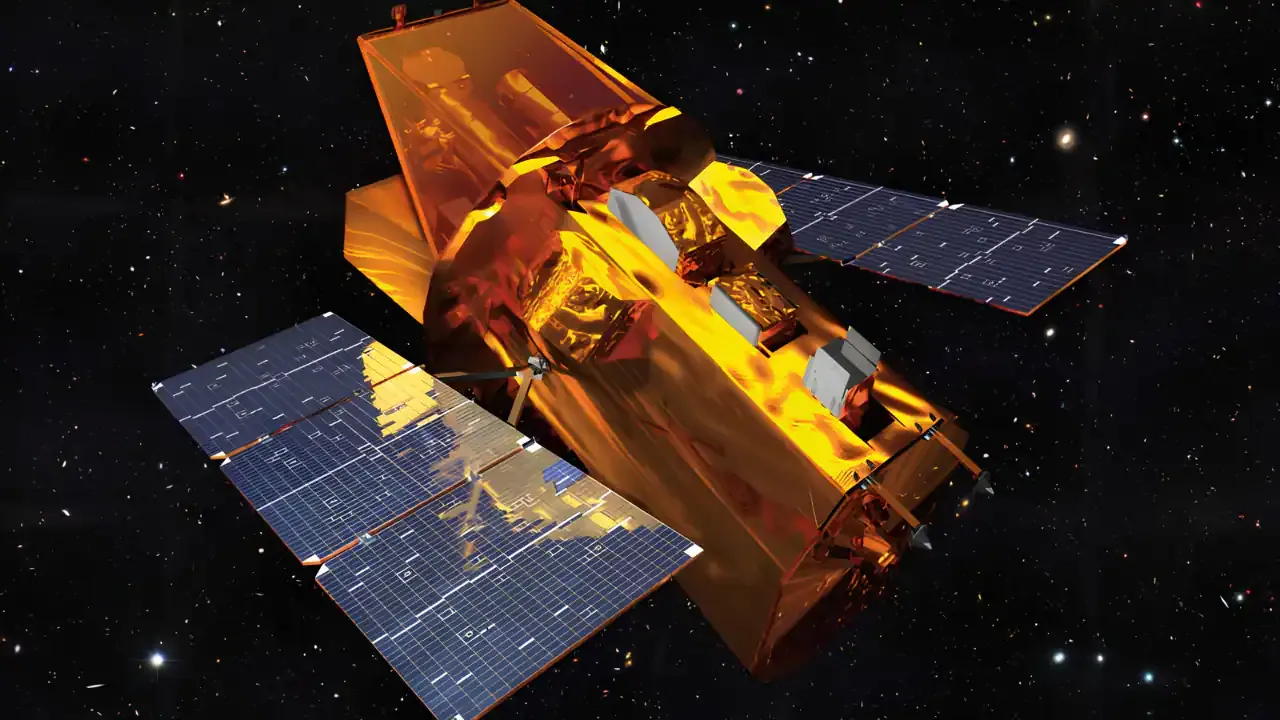
NASA's Swift Observatory to Re-enter Earth's Atmosphere on November 4 with Possible Debris Fall
Categories

Categories

Related Coverage

Select a news story to see related coverage from other media outlets.

Related Coverage

Select a news story to see related coverage from other media outlets.

  1. Home
  2. /
  3. Technology

NASA's Swift Observatory to Re-enter Earth's Atmosphere on November 4 with Possible Debris Fall

Analysed 4 Nov 2026·2 sources analysed·India·Technology
NASA's Swift Observatory to Re-enter Earth's Atmosphere on November 4 with Possible Debris FallPreviousNext

NASA's Neil Gehrels Swift Observatory, a 22-year-old space telescope, is expected to re-enter Earth's atmosphere on November 4. The spacecraft, weighing around 1,450 kilograms, has gradually lost altitude due to lack of propulsion and solar storm effects. Most of it will burn up during re-entry, but some fragments could survive and fall within a broad equatorial band spanning parts of the Americas, Africa, Asia, and surrounding oceans. The US Space Force estimates the risk of harm to people at about one in 2,100. Monitoring of the descent continues.

Sentiment
50%
TBN's observations

First-hand measurement across 2 sources

We measured how 2 outlets covered this story. No outlet gave this story a measurable political slant — there is no left–right reading to report. Overall sentiment is neutral (50/100). Lens Score 38/100.

Outlets measured: moneycontrol, wion. See how each one headlined and framed the same story in the source comparison below.

AI analysis of 2 sources · Published under editorial oversight by The Balanced News
Analysed 4 Nov 2026· How this analysis is produced· Editorial standards· Corrections

AI Analysis

Sentiment — Neutral (50/100)

Sentiment was consistent across outlets (50–50/100), indicating broadly factual reporting rather than editorialising.

Coverage timeline

wion broke this story on 4 Nov, 04:36 am. Other outlets followed.

4 Nov, 04:36 am2 sources · 2 h4 Nov, 06:14 am
AI analysis by the TBN Bias Engine · beat methodology byAshwin Alsi· Technology Editor· editorial standards byOjas Kale
← Previous
Apple Releases iOS 27.3 Beta with Expanded Siri AI and Health App Updates
Next →
Anthropic Launches FlashProve to Verify AI Model Authenticity Using Cryptographic Proofs
1
wion4 Nov, 04:36 am
Neil Gehrels Swift Observatory crashes today: Time of entry and where debris could fall
  • 2
    moneycontrol4 Nov, 06:14 am
    NASA's 22-year-old Swift Satellite to fall-back-to Earth on November 4; Will any parts survive the fiery re-entry?- Moneycontrol.com
  • Who's involved

    Institutions and figures named across source coverage.

    Government
    National Aeronautics and Space AdministrationUnited States Space Force
    Corporate
    Katalyst SpaceKatalyst

    Story context

    Category
    Tech
    Location
    India
    Sources analysed
    2
    Last analysed
    4 Nov 2026
    Key entities
    United States Space ForceNeil Gehrels Swift ObservatoryAtmospheric entryNASAAtmosphere of EarthEarthSpacecraftOrbitSolar flareGamma-ray burstTelescopeSpace telescope