Skip to content
Get the Balanced News app for a better experience!
The Balanced News Logo
Analytics
The Balanced News Logo

Stay Balanced, Stay Informed

Menu
  • Browse News
  • Underreported Stories
  • Curated Feeds
  • Insights
  • Analytics
  • Our Writers
  • About Us
  • Download App
Learn
  • How It Works
  • Bias Detection
  • Lens Score
  • Source Bias Checker
  • Accountability
  • Custom Feeds
Newsroom
  • Writers & Analysts
  • About TBN
  • Editorial Standards
  • Corrections Policy
  • Our Partners
  • Insights
Socials
  • Youtube
  • Instagram
  • X
  • Facebook
News Categories
  • Trending
  • Politics
  • Sports
  • Business
  • Tech
  • Entertainment
  • Health
  • Science
  • Crime
  • Lifestyle
  • National
  • International
  • Good News
  • Crypto

Get Our App

Available for iOS and Android


LensFeedsInsightsAnalyticsTrendingGood NewsSportsPoliticsBusinessCrimeTechEntertainmentHealthNationalInternational

© 2026 The Balanced News. All rights reserved.

About UsEditorial StandardsCorrectionsHelp & SupportPrivacy PolicyTerms & Conditions
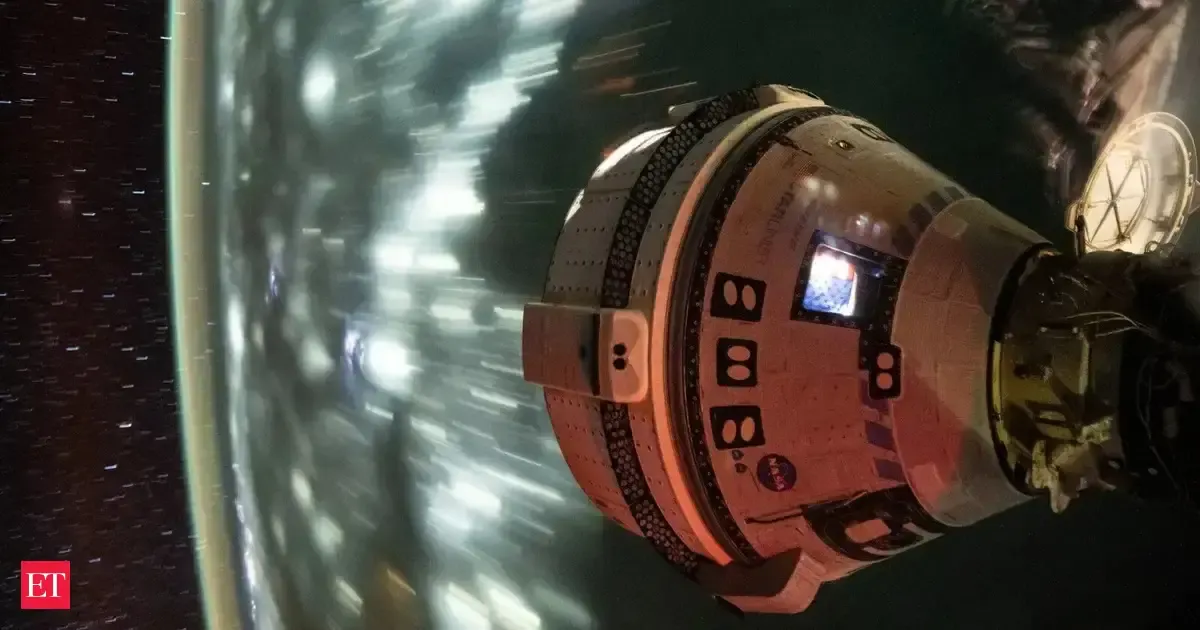
NASA Plans Phased Return of Boeing Starliner with Uncrewed Flight in 2026-27
Categories

Categories

Related Coverage

Select a news story to see related coverage from other media outlets.

Related Coverage

Select a news story to see related coverage from other media outlets.

  1. Home
  2. /
  3. Technology

NASA Plans Phased Return of Boeing Starliner with Uncrewed Flight in 2026-27

Analysed 29 Sept 2026·3 sources analysed·Washington, D.C., United States·Technology
NASA Plans Phased Return of Boeing Starliner with Uncrewed Flight in 2026-27PreviousNext

NASA and Boeing have announced a phased plan to return the Starliner spacecraft to service after technical issues during its last crewed mission. An uncrewed Starliner-1 mission is planned for December 2026 or January 2027 to validate improvements and gather flight data. Following this, a crewed Starliner-2 mission is targeted for 2028. NASA aims to continue Starliner flights and certify the Vulcan rocket for human spaceflight, supporting its goal of maintaining multiple crew transport options to the International Space Station.

Sentiment
60%
TBN's observations

First-hand measurement across 3 sources

We measured how 3 outlets covered this story. No outlet gave this story a measurable political slant — there is no left–right reading to report. Overall sentiment is neutral (60/100). Lens Score 42/100.

Outlets measured: economictimes, thetribune, ndtv. See how each one headlined and framed the same story in the source comparison below.

AI analysis of 3 sources · Published under editorial oversight by The Balanced News
Analysed 29 Sept 2026· How this analysis is produced· Editorial standards· Corrections

AI Analysis

Sentiment — Neutral (60/100)

Sentiment was consistent across outlets (52–72/100), indicating broadly factual reporting rather than editorialising.

Coverage timeline

ndtv broke this story on 28 Sept, 10:47 pm. Other outlets followed.

28 Sept, 10:47 pm3 sources · 5 h29 Sept, 03:40 am
AI analysis by the TBN Bias Engine · beat methodology byAshwin Alsi· Technology Editor· editorial standards byOjas Kale
← Previous
Apple Plans Early 2027 iPhone 18 Launch and Redesigned iPhone 20 Anniversary Model
Next →
Overview of CCTV Cameras for Home and Outdoor Security with Key Features
  1. 1
    ndtv28 Sept, 10:47 pm
    NASA Announces New Missions For Boeing Starliner Spacecraft
  2. 2
    thetribune29 Sept, 03:29 am
    NASA lays out phased plan to return Starliner to service - The Tribune
  3. 3
    economictimes29 Sept, 03:40 am
    NASA lays out phased plan to return Starliner to service

Who's involved

Institutions and figures named across source coverage.

Government
National Aeronautics and Space Administration
Corporate
Boeing CompanyUnited Launch AllianceBoeing

Story context

Category
Tech
Location
Washington, D.C., United States
Sources analysed
3
Last analysed
29 Sept 2026
Key entities
Boeing StarlinerBoeingSpacecraftNASAAstronautInternational Space StationSunita WilliamsAdministrator of NASAOrbitJared IsaacmanUncrewed spacecraftBoeing Starliner-1