Skip to content
Get the Balanced News app for a better experience!
The Balanced News Logo
Analytics
The Balanced News Logo

Stay Balanced, Stay Informed

Menu
  • Browse News
  • Underreported Stories
  • Curated Feeds
  • Insights
  • Analytics
  • Our Writers
  • About Us
  • Download App
Learn
  • How It Works
  • Bias Detection
  • Lens Score
  • Source Bias Checker
  • Accountability
  • Custom Feeds
Newsroom
  • Writers & Analysts
  • About TBN
  • Editorial Standards
  • Corrections Policy
  • Our Partners
  • Insights
Socials
  • Youtube
  • Instagram
  • X
  • Facebook
News Categories
  • Trending
  • Politics
  • Sports
  • Business
  • Tech
  • Entertainment
  • Health
  • Science
  • Crime
  • Lifestyle
  • National
  • International
  • Good News
  • Crypto

Get Our App

Available for iOS and Android


LensFeedsInsightsAnalyticsTrendingGood NewsSportsPoliticsBusinessCrimeTechEntertainmentHealthNationalInternational

© 2026 The Balanced News. All rights reserved.

About UsEditorial StandardsCorrectionsHelp & SupportPrivacy PolicyTerms & Conditions
NASA and IBM Release AI Model to Analyze Moon's Surface and Support Artemis Missions
Categories

Categories

Related Coverage

Select a news story to see related coverage from other media outlets.

Related Coverage

Select a news story to see related coverage from other media outlets.

  1. Home
  2. /
  3. Technology

NASA and IBM Release AI Model to Analyze Moon's Surface and Support Artemis Missions

Analysed 10 Sept 2026·4 sources analysed·Technology
NASA and IBM Release AI Model to Analyze Moon's Surface and Support Artemis MissionsPreviousNext

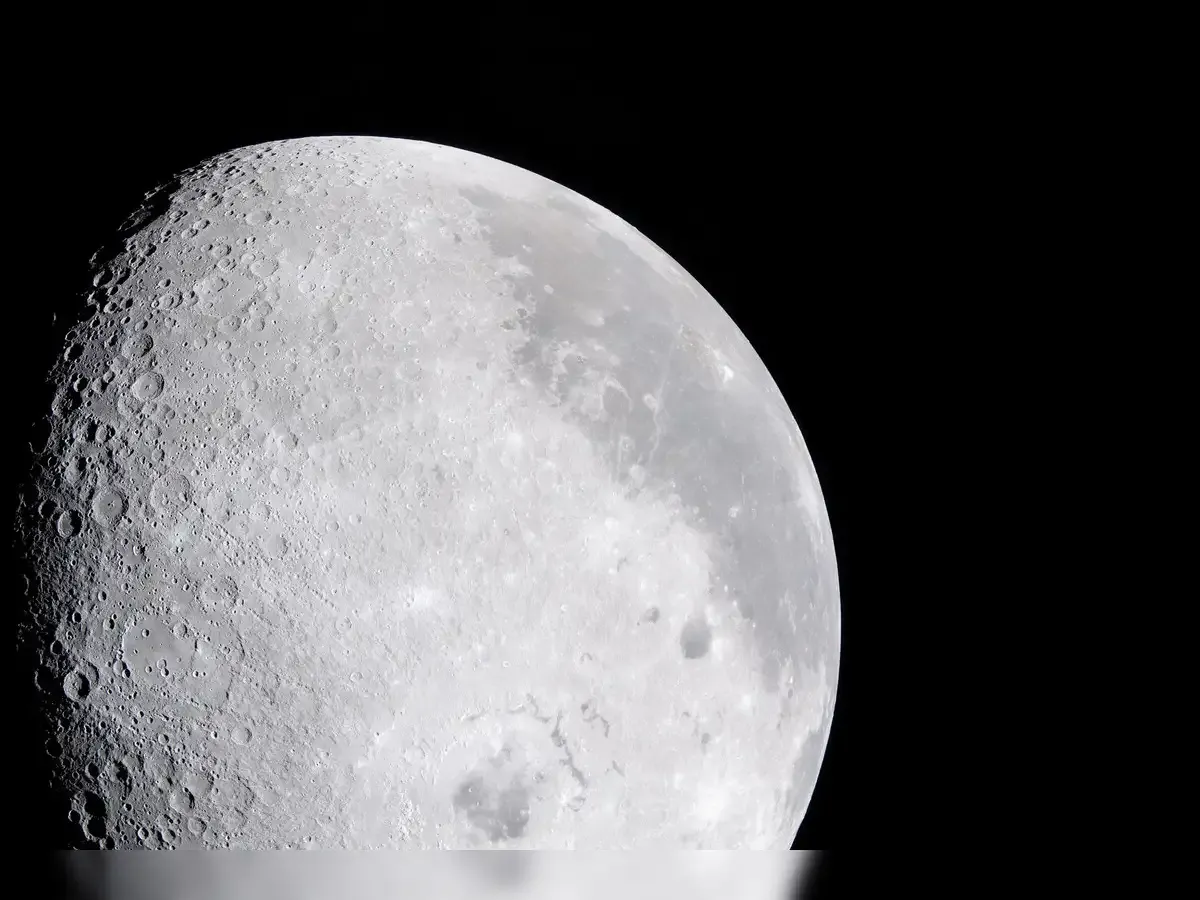
NASA and IBM have launched the open-source NASA-IBM Lunar Foundation Model, an AI tool trained on over 30 layers of data from nine instruments across four NASA missions, including the Lunar Reconnaissance Orbiter. This model helps researchers analyze lunar data to identify ice deposits in permanently shadowed regions, map craters for safe landing sites, and study volcanic features. It performs up to 23% more accurately than existing methods and supports NASA's Artemis program aiming to return astronauts to the Moon by 2028 for sustained lunar exploration and future Mars missions.

Sentiment
68%
TBN's observations

First-hand measurement across 2 sources

We measured how 2 outlets covered this story. No outlet gave this story a measurable political slant — there is no left–right reading to report. Overall sentiment is positive (68/100). Lens Score 40/100.

Outlets measured: republicworld, timesnow. See how each one headlined and framed the same story in the source comparison below.

AI analysis of 2 sources · Published under editorial oversight by The Balanced News
Analysed 10 Sept 2026· How this analysis is produced· Editorial standards· Corrections

AI Analysis

Sentiment — Positive (68/100)

Sentiment was consistent across outlets (55–75/100), indicating broadly factual reporting rather than editorialising.

Coverage timeline

timesnow broke this story on 10 Sept, 02:42 pm. Other outlets followed.

10 Sept, 02:42 pm2 sources · 45 min10 Sept, 03:27 pm
  1. 1
AI analysis by the TBN Bias Engine · beat methodology byAshwin Alsi· Technology Editor· editorial standards byOjas Kale
← Previous
Nandan Nilekani Highlights Tokenisation Pilots and Global Asset Potential at Fintech Fest 2026
Next →
Brazilian Leaders Highlight Brazil-India Tech and Entrepreneurship Cooperation at BRICS Events
timesnow10 Sept, 02:42 pm
NASA's New AI Model Can Spot Moon's Ice, Craters And Potential Landing Sites
  • 2
    republicworld10 Sept, 03:27 pm
    IBM, NASA Launch AI Model To Help Map Ice, Craters on Moon
  • Who's involved

    Institutions and figures named across source coverage.

    Government
    National Aeronautics and Space Administration
    Corporate
    International Business Machines Corporation

    Story context

    Category
    Tech
    Sources analysed
    4
    Last analysed
    10 Sept 2026
    Key entities
    NASAArtificial intelligenceIBMMoonLunar Reconnaissance OrbiterGeology of the MoonLunar waterRocket propellantHuman mission to MarsMachine learningAstronautOxygen