Skip to content
Get the Balanced News app for a better experience!
The Balanced News Logo
Analytics
The Balanced News Logo

Stay Balanced, Stay Informed

Menu
  • Browse News
  • Underreported Stories
  • Curated Feeds
  • Insights
  • Analytics
  • Our Writers
  • About Us
  • Download App
Learn
  • How It Works
  • Bias Detection
  • Lens Score
  • Source Bias Checker
  • Accountability
  • Custom Feeds
Newsroom
  • Writers & Analysts
  • About TBN
  • Editorial Standards
  • Corrections Policy
  • Our Partners
  • Insights
Socials
  • Youtube
  • Instagram
  • X
  • Facebook
News Categories
  • Trending
  • Politics
  • Sports
  • Business
  • Tech
  • Entertainment
  • Health
  • Science
  • Crime
  • Lifestyle
  • National
  • International
  • Good News
  • Crypto

Get Our App

Available for iOS and Android


LensFeedsInsightsAnalyticsTrendingGood NewsSportsPoliticsBusinessCrimeTechEntertainmentHealthNationalInternational

© 2026 The Balanced News. All rights reserved.

About UsEditorial StandardsCorrectionsHelp & SupportPrivacy PolicyTerms & Conditions
ISRO's SpaDex Satellites Complete Mission and Re-enter Earth's Atmosphere
Categories

Categories

Related Coverage

Select a news story to see related coverage from other media outlets.

Related Coverage

Select a news story to see related coverage from other media outlets.

  1. Home
  2. /
  3. Technology

ISRO's SpaDex Satellites Complete Mission and Re-enter Earth's Atmosphere

Analysed 23 Oct 2026·2 sources analysed·New Delhi, India·Technology
ISRO's SpaDex Satellites Complete Mission and Re-enter Earth's AtmospherePreviousNext

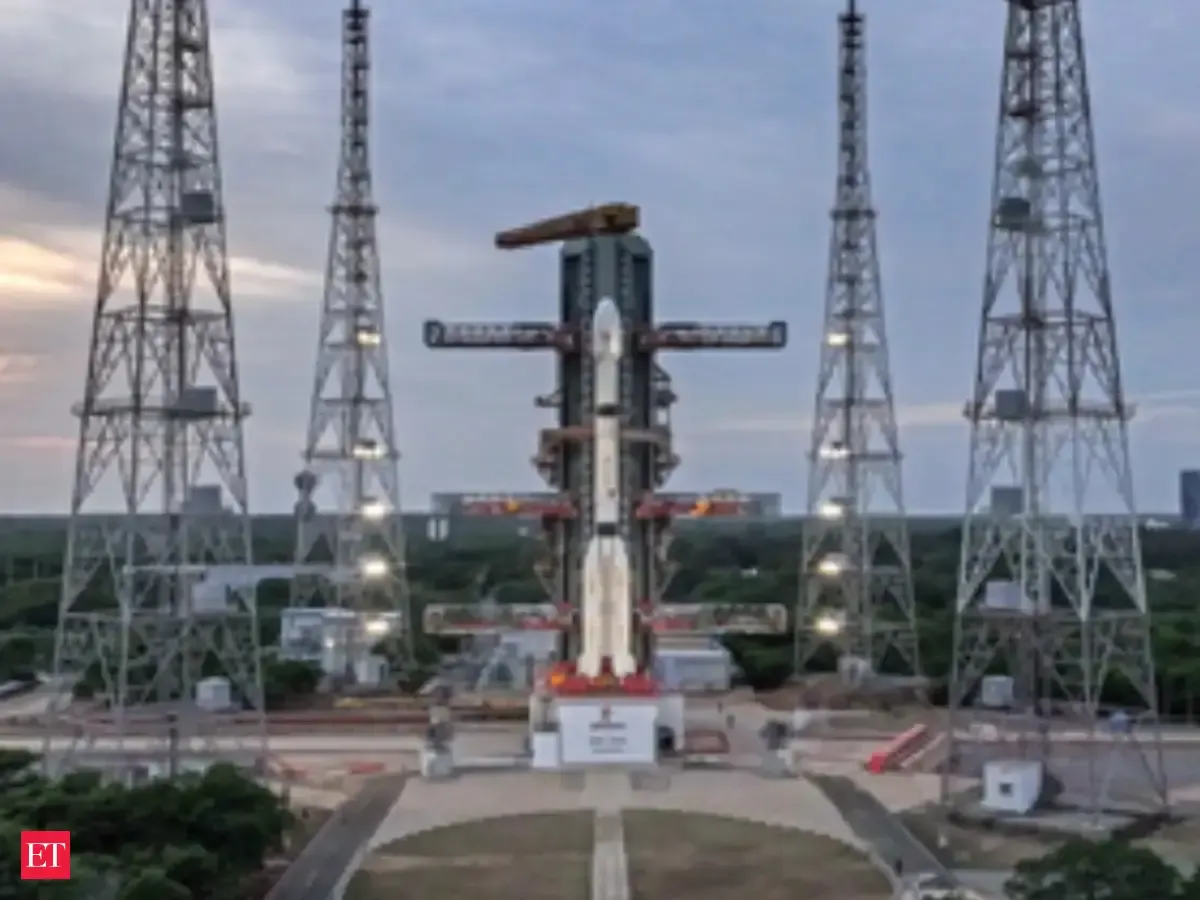
The Indian Space Research Organisation (ISRO) announced that the two SpaDex satellites, launched on December 30, 2024, have re-entered Earth's atmosphere in October 2026 after completing their nearly 22-month mission. The Space Docking Experiment demonstrated autonomous rendezvous and low-impact docking technologies, successfully achieving objectives such as vertical and radial docking, composite control, power transfer, undocking, and payload operations. Both satellites exhausted their fuel, leading to progressive orbital decay and atmospheric re-entry over the South Pacific and North Atlantic Oceans.

Sentiment
64%
TBN's observations

First-hand measurement across 2 sources

We measured how 2 outlets covered this story. No outlet gave this story a measurable political slant — there is no left–right reading to report. Overall sentiment is positive (64/100). Lens Score 38/100.

Outlets measured: economictimes, news18. See how each one headlined and framed the same story in the source comparison below.

AI analysis of 2 sources · Published under editorial oversight by The Balanced News
Analysed 23 Oct 2026· How this analysis is produced· Editorial standards· Corrections

AI Analysis

Sentiment — Positive (64/100)

Sentiment was consistent across outlets (62–65/100), indicating broadly factual reporting rather than editorialising.

Coverage timeline

news18 broke this story on 23 Oct, 01:32 pm. Other outlets followed.

23 Oct, 01:32 pm2 sources · 68 min23 Oct, 02:40 pm
  1. 1
AI analysis by the TBN Bias Engine · beat methodology byAshwin Alsi· Technology Editor· editorial standards byOjas Kale
← Previous
India Advances AI Development Amid Regulatory, Economic, and Industry Shifts
Next →
Ex-Google DeepMind Scientist Warns of Rapid AI Advances and Potential Risks
news1823 Oct, 01:32 pm
SpaDex satellites have re-entered Earth's atmosphere: ISRO
  • 2
    economictimes23 Oct, 02:40 pm
    SpaDex satellites have re-entered Earth's atmosphere: ISRO
  • Who's involved

    Institutions and figures named across source coverage.

    Government
    Indian Space Research Organisation

    Story context

    Category
    Tech
    Location
    New Delhi, India
    Sources analysed
    2
    Last analysed
    23 Oct 2026
    Key entities
    Indian Space Research OrganisationAtmosphere of EarthSatelliteDocking and berthing of spacecraftSpace rendezvousNew DelhiOrbital decayPayloadAtmospheric entrySpacecraftComposite materialOrbit