Skip to content
Get the Balanced News app for a better experience!
The Balanced News Logo
Analytics
The Balanced News Logo

Stay Balanced, Stay Informed

Menu
  • Browse News
  • Underreported Stories
  • Curated Feeds
  • Insights
  • Analytics
  • Our Writers
  • About Us
  • Download App
Learn
  • How It Works
  • Bias Detection
  • Lens Score
  • Source Bias Checker
  • Accountability
  • Custom Feeds
Newsroom
  • Writers & Analysts
  • About TBN
  • Editorial Standards
  • Corrections Policy
  • Our Partners
  • Insights
Socials
  • Youtube
  • Instagram
  • X
  • Facebook
News Categories
  • Trending
  • Politics
  • Sports
  • Business
  • Tech
  • Entertainment
  • Health
  • Science
  • Crime
  • Lifestyle
  • National
  • International
  • Good News
  • Crypto

Get Our App

Available for iOS and Android


LensFeedsInsightsAnalyticsTrendingGood NewsSportsPoliticsBusinessCrimeTechEntertainmentHealthNationalInternational

© 2026 The Balanced News. All rights reserved.

About UsEditorial StandardsCorrectionsHelp & SupportPrivacy PolicyTerms & Conditions
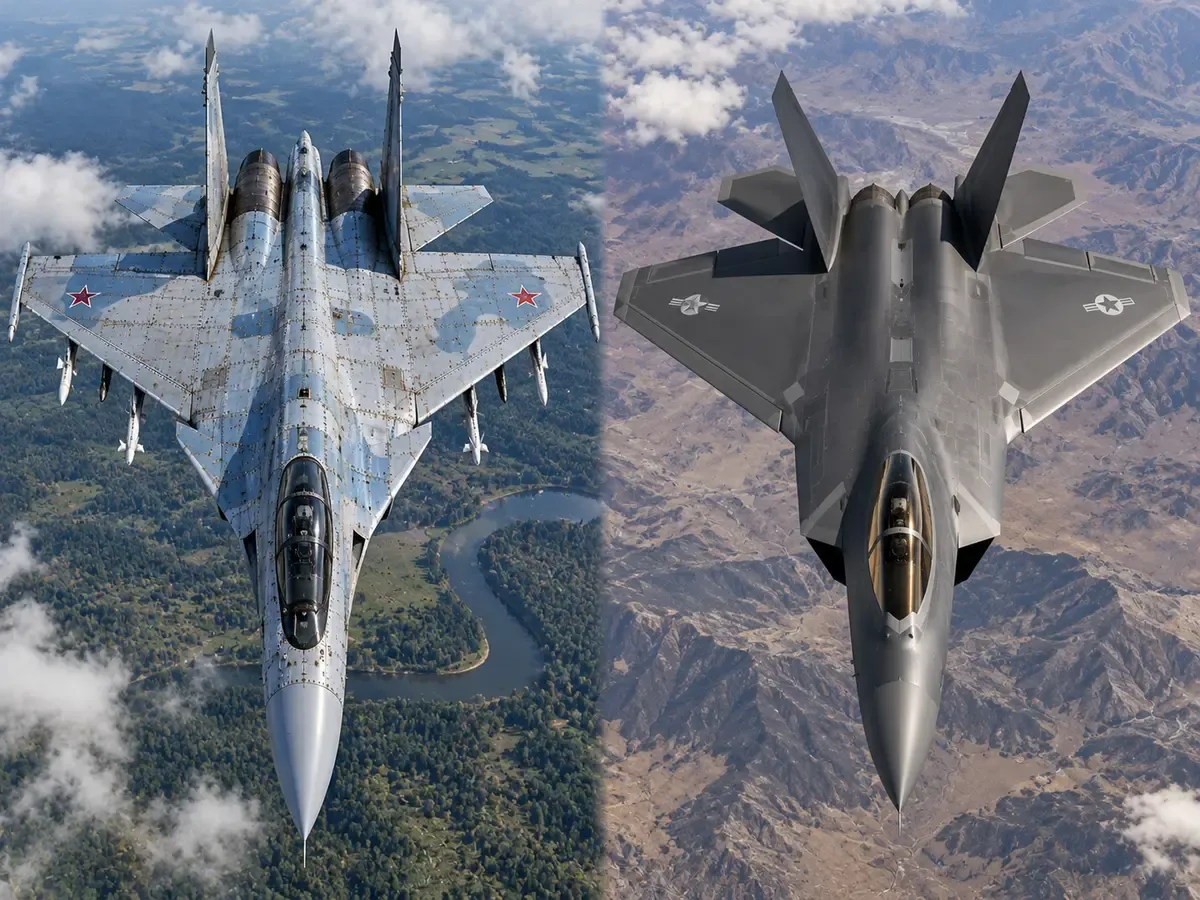
Design Differences Between Russian and US Fighter Jets Highlight Operational Priorities
Categories

Categories

Related Coverage

Select a news story to see related coverage from other media outlets.

Related Coverage

Select a news story to see related coverage from other media outlets.

  1. Home
  2. /
  3. Technology

Design Differences Between Russian and US Fighter Jets Highlight Operational Priorities

Analysed 6 Sept 2026·2 sources analysed·Russia·Technology
Design Differences Between Russian and US Fighter Jets Highlight Operational PrioritiesPreviousNext

Russian fighter jets like the Su-57 and Su-35 prioritize extreme maneuverability and structural strength over stealth features common in US jets. Russian aircraft use visible rivets to reduce costs and facilitate frontline repairs, and employ heavy framed canopies for cockpit durability and optical clarity. In contrast, US fighters such as the F-16 and F-22 feature seamless bubble canopies for enhanced 360-degree visibility and stealth. These design differences reflect distinct military doctrines and operational priorities.

Sentiment
50%
TBN's observations

First-hand measurement across 2 sources

We measured how 2 outlets covered this story. No outlet gave this story a measurable political slant — there is no left–right reading to report. Overall sentiment is neutral (50/100). Lens Score 31/100.

Outlets measured: wion, wion. See how each one headlined and framed the same story in the source comparison below.

AI analysis of 2 sources · Published under editorial oversight by The Balanced News
Analysed 6 Sept 2026· How this analysis is produced· Editorial standards· Corrections

AI Analysis

Sentiment — Neutral (50/100)

Sentiment was consistent across outlets (50–50/100), indicating broadly factual reporting rather than editorialising.

Coverage timeline

wion broke this story on 5 Sept, 06:30 pm. Other outlets followed.

5 Sept, 06:30 pm2 sources · 23 h6 Sept, 05:23 pm
  1. 1
AI analysis by the TBN Bias Engine · beat methodology byAshwin Alsi· Technology Editor· editorial standards byOjas Kale
← Previous
China Develops Material Extracting Uranium from Seawater at Eightfold US Benchmark
Next →
AI Advances Support Traditional Farming and Business Solutions in India
wion5 Sept, 06:30 pm
Why Russian fighter jets use heavy framed canopies compared to US jets
  • 2
    wion6 Sept, 05:23 pm
    Why Russian fighter jets leave body rivets exposed compared to US jets
  • Story context

    Category
    Tech
    Location
    Russia
    Sources analysed
    2
    Last analysed
    6 Sept 2026
    Key entities
    Fighter aircraftStealth technologyRussian languageRivetSukhoi Su-57Russian Armed ForcesRadarAirframeAerospaceVibrationAerial warfareAerodynamics