Skip to content
Get the Balanced News app for a better experience!
The Balanced News Logo
Analytics
The Balanced News Logo

Stay Balanced, Stay Informed

Menu
  • Browse News
  • Underreported Stories
  • Curated Feeds
  • Insights
  • Analytics
  • Our Writers
  • About Us
  • Download App
Learn
  • How It Works
  • Bias Detection
  • Lens Score
  • Source Bias Checker
  • Accountability
  • Custom Feeds
Newsroom
  • Writers & Analysts
  • About TBN
  • Editorial Standards
  • Corrections Policy
  • Our Partners
  • Insights
Socials
  • Youtube
  • Instagram
  • X
  • Facebook
News Categories
  • Trending
  • Politics
  • Sports
  • Business
  • Tech
  • Entertainment
  • Health
  • Science
  • Crime
  • Lifestyle
  • National
  • International
  • Good News
  • Crypto

Get Our App

Available for iOS and Android


LensFeedsInsightsAnalyticsTrendingGood NewsSportsPoliticsBusinessCrimeTechEntertainmentHealthNationalInternational

© 2026 The Balanced News. All rights reserved.

About UsEditorial StandardsCorrectionsHelp & SupportPrivacy PolicyTerms & Conditions
Polarized Light from Solar Panels Attracts Wildlife, Researchers Suggest Mitigation
Categories

Categories

Related Coverage

Select a news story to see related coverage from other media outlets.

Related Coverage

Select a news story to see related coverage from other media outlets.

  1. Home
  2. /
  3. Technology

Polarized Light from Solar Panels Attracts Wildlife, Researchers Suggest Mitigation

Analysed 20 Aug 2026·2 sources analysed·Nevada, United States·Technology
Polarized Light from Solar Panels Attracts Wildlife, Researchers Suggest MitigationPreviousNext

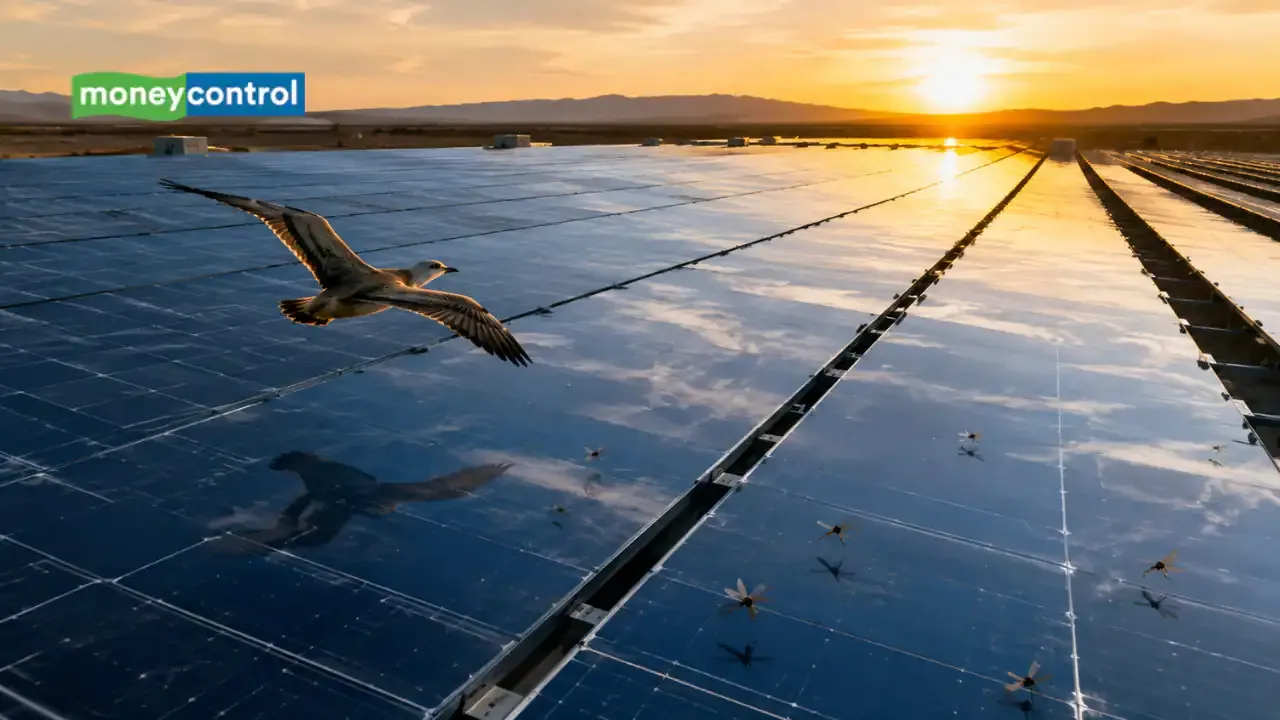
Solar panels' smooth, dark surfaces reflect polarized light that mimics water, attracting water-seeking insects and some birds. This phenomenon, known as polarized light pollution, can disrupt ecosystems by misleading insects like mayflies to lay eggs on panels, where offspring cannot survive. Researchers have found that adding white grid lines to panels reduces insect attraction significantly without affecting energy output. While ecological impacts vary, experts suggest careful planning and design adjustments to mitigate wildlife risks as solar farms expand globally.

Sentiment
60%
TBN's observations

First-hand measurement across 2 sources

We measured how 2 outlets covered this story. No outlet gave this story a measurable political slant — there is no left–right reading to report. Overall sentiment is neutral (60/100). Lens Score 30/100.

Outlets measured: moneycontrol, economictimes. See how each one headlined and framed the same story in the source comparison below.

AI analysis of 2 sources · Published under editorial oversight by The Balanced News
Analysed 20 Aug 2026· How this analysis is produced· Editorial standards· Corrections

AI Analysis

Sentiment — Neutral (60/100)

Sentiment was consistent across outlets (55–65/100), indicating broadly factual reporting rather than editorialising.

Coverage timeline

economictimes broke this story on 20 Aug, 08:53 am. Other outlets followed.

20 Aug, 08:53 am2 sources · 2 h20 Aug, 10:53 am
AI analysis by the TBN Bias Engine · beat methodology byAshwin Alsi· Technology Editor· editorial standards byOjas Kale
← Previous
Andaman and Nicobar Administration Withdraws Green AI Data Centre Proposal
Next →
India Advances AI Literacy and Career Guidance Initiatives Aligned with PM Modi's Vision
1
economictimes20 Aug, 08:53 am
In 2010, researchers tested solar panels with white lines; the modified surfaces were up to 26 times less attractive to polarotactic insects
  • 2
    moneycontrol20 Aug, 10:53 am
    Solar panels can look like lakes to birds and insects, creating a hidden wildlife trap across vast solar farms- Moneycontrol.com
  • Story context

    Category
    Tech
    Location
    Nevada, United States
    Sources analysed
    2
    Last analysed
    20 Aug 2026
    Key entities
    EggSolar panelInsectLakeEcologyRenewable energyWetlandLight pollutionMayflyFood chainTempered glassNymph (biology)