Ghost Font Uses Animated Dots to Challenge AI Text Recognition While Remaining Human-Readable
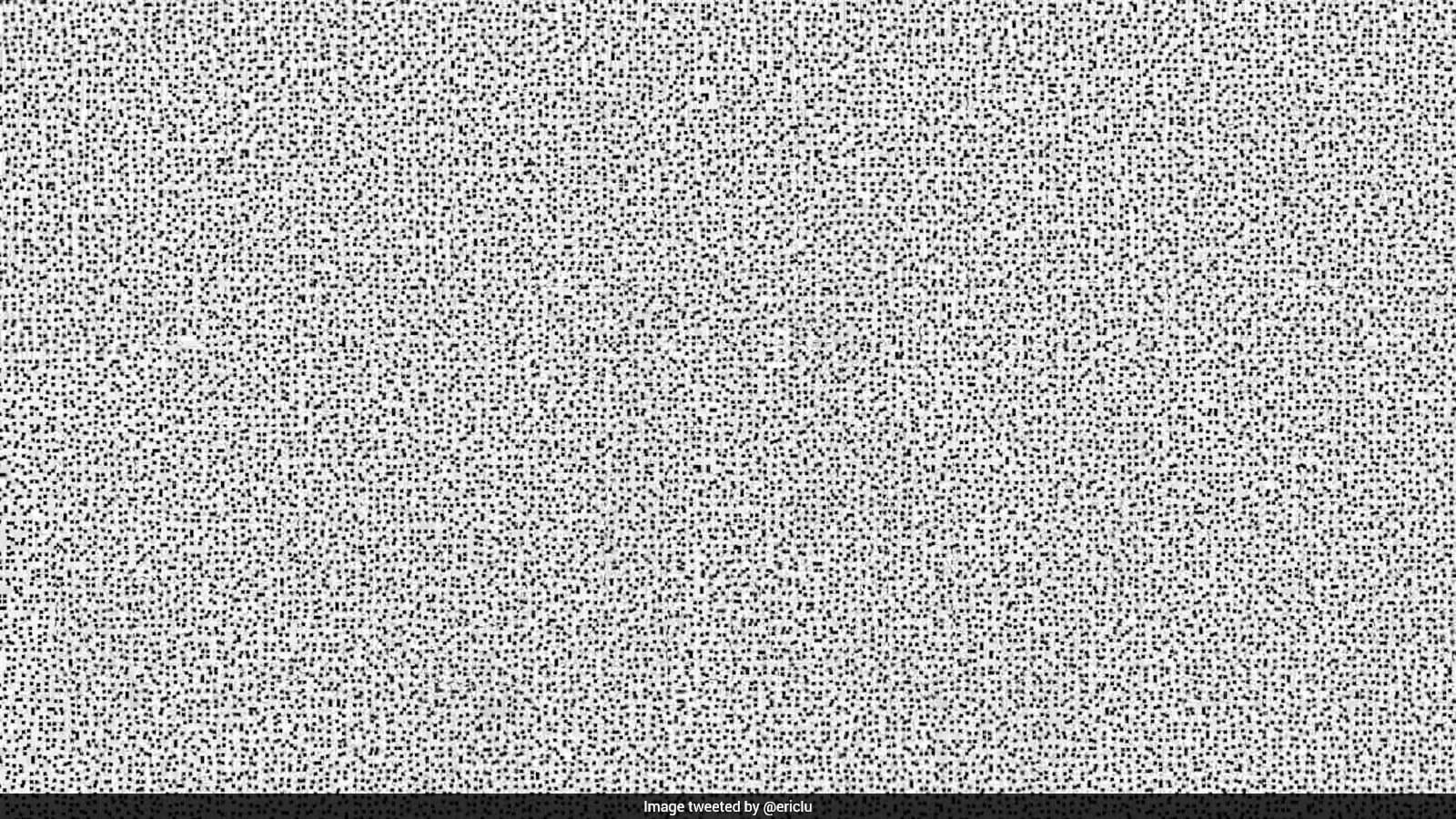
Ghost Font, created by designer Eric Lu, is an experimental typography that uses animated dot patterns to hide text readable by humans but challenging for advanced AI models like GPT-Sol 5.6 Ultra and Claude Fable. The font employs motion and visual noise, causing AI to misinterpret or fail to decode messages, though it is not entirely secure against AI instructed to analyze frame movements. Lu aims to apply Ghost Font in CAPTCHA systems to enhance human verification.
First-hand measurement across 4 sources
We measured how 4 outlets covered this story. Coverage leans balanced overall (Left 0%, Centre 100%, Right 0%). Overall sentiment is positive (66/100). Lens Score 25/100 — low public interest.
Outlets analysed (first-hand measurement by TBN's Bias Engine):
- news18— balanced framing, neutral sentiment
- timesnow— balanced framing, neutral sentiment
- hindustantimes— balanced framing, neutral sentiment
- ndtv— balanced framing, positive sentiment
AI Analysis
The articles present a largely technical and neutral perspective focused on the innovation and limitations of Ghost Font. They include viewpoints from the creator and note AI capabilities without political framing. Discussions about AI privacy and security concerns appear but are not politicized, reflecting a balanced coverage of technological implications rather than ideological positions.
The overall tone is informative and exploratory, highlighting both the novelty and current limitations of Ghost Font. While some skepticism is noted regarding its long-term effectiveness, the coverage remains mostly neutral to mildly positive, emphasizing the font's potential applications and the ongoing challenges in AI text recognition.
How 4 sources covered this story
Each source's own headline, political lean, and sentiment — so you can see framing differences at a glance.