China Performs First Commercial Brain-Computer Interface Implant Ahead of Neuralink
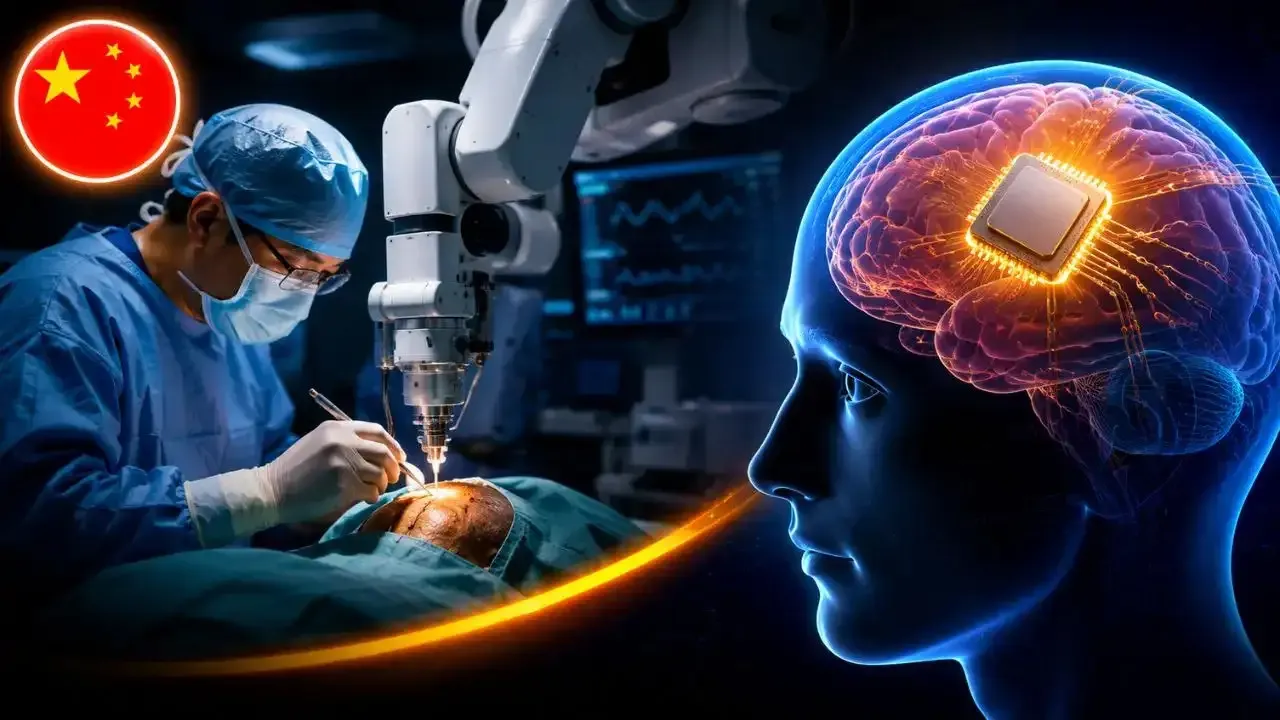
China has performed the world's first commercial implantation of an invasive brain-computer interface (BCI), using the Neural Electronic Opportunity (NEO) system developed by Shanghai-based Neuracle Medical Technology. The procedure, conducted at Huashan Hospital in Shanghai, aimed to help a spinal cord injury patient regain hand function. This marks a transition from clinical trials to real-world medical use, preceding Elon Musk's Neuralink, which is still undergoing human clinical testing in the US.
First-hand measurement across 2 sources
We measured how 2 outlets covered this story. Coverage leans balanced overall (Left 0%, Centre 100%, Right 0%). Overall sentiment is positive (70/100). Lens Score 32/100 — low public interest.
Outlets analysed (first-hand measurement by TBN's Bias Engine):
- timesnow— balanced framing, neutral sentiment
- indiatoday— balanced framing, positive sentiment
AI Analysis
The articles primarily present a technological and medical advancement perspective, highlighting China's regulatory approval and clinical application of brain-computer interface technology. They contrast this with Elon Musk's Neuralink, which remains in clinical trials, without expressing political opinions or favoring either country. The coverage focuses on factual developments and competitive progress in the field.
The tone across the articles is generally neutral to positive, emphasizing the milestone achievement of China's commercial brain chip implantation and its potential medical benefits. While noting Neuralink's ongoing trials, the coverage avoids sensationalism, maintaining an informative and balanced sentiment regarding the technological race.
How 2 sources covered this story
Each source's own headline, political lean, and sentiment — so you can see framing differences at a glance.