China Develops Prototype EUV Lithography Machine Challenging Global Chipmaking Monopoly
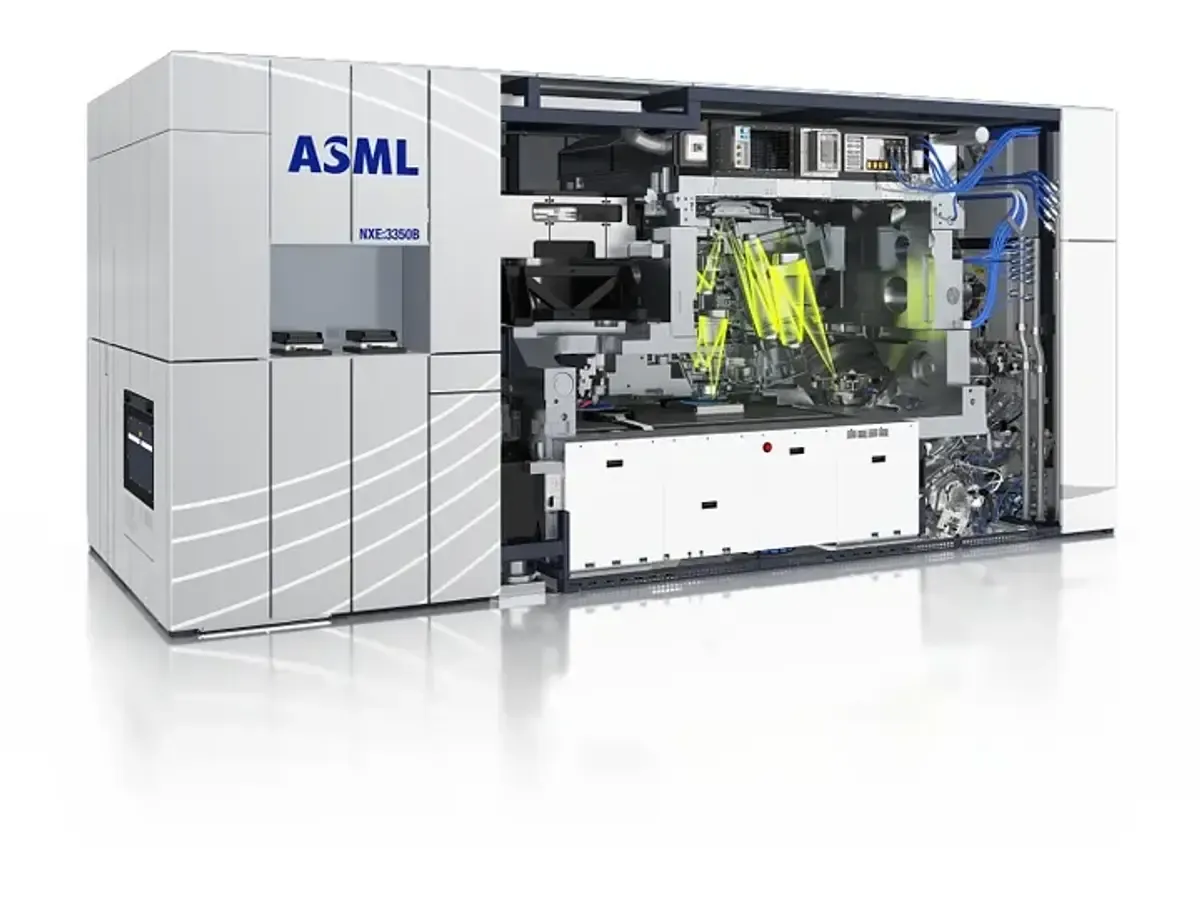
China has reportedly developed a working prototype of an Extreme Ultraviolet (EUV) lithography machine, a key technology for manufacturing advanced semiconductor chips below 5nm used in AI and other applications. This development challenges the Dutch company ASML's monopoly and reflects China's state-backed efforts combining indigenous technology and reverse engineering. While not yet commercially scaled, the breakthrough signals a shift in the global semiconductor landscape and has prompted calls for India to consider its own mission-mode project to achieve self-reliance in AI chipmaking.
First-hand measurement across 2 sources
We measured how 2 outlets covered this story. Coverage leans balanced overall (Left 10%, Centre 82%, Right 8%). Overall sentiment is positive (70/100). Lens Score 29/100 — low public interest.
Outlets analysed (first-hand measurement by TBN's Bias Engine):
- wion— balanced framing, positive sentiment
- mint— balanced framing, positive sentiment
AI Analysis
The articles present perspectives emphasizing China's technological advancement and state-backed efforts in semiconductor manufacturing, highlighting challenges to Western export controls and monopolies. They also include viewpoints advocating for India's strategic response. The coverage balances recognition of China's progress with caution about commercial readiness, reflecting a mix of technological pride and geopolitical concern without overt partisan framing.
The overall tone is cautiously optimistic, acknowledging China's significant technological breakthrough while noting limitations such as the prototype's current commercial viability. The articles convey a sense of urgency and strategic importance, especially regarding global semiconductor competition, without resorting to sensationalism or alarmist language.