Skip to content
Get the Balanced News app for a better experience!
The Balanced News Logo
Analytics
The Balanced News Logo

Stay Balanced, Stay Informed

Menu
  • Browse News
  • Underreported Stories
  • Curated Feeds
  • Insights
  • Analytics
  • Our Writers
  • About Us
  • Download App
Learn
  • How It Works
  • Bias Detection
  • Lens Score
  • Source Bias Checker
  • Accountability
  • Custom Feeds
Newsroom
  • Writers & Analysts
  • About TBN
  • Editorial Standards
  • Corrections Policy
  • Our Partners
  • Insights
Socials
  • Youtube
  • Instagram
  • X
  • Facebook
News Categories
  • Trending
  • Politics
  • Sports
  • Business
  • Tech
  • Entertainment
  • Health
  • Science
  • Crime
  • Lifestyle
  • National
  • International
  • Good News
  • Crypto

Get Our App

Available for iOS and Android


LensFeedsInsightsAnalyticsTrendingGood NewsSportsPoliticsBusinessCrimeTechEntertainmentHealthNationalInternational

© 2026 The Balanced News. All rights reserved.

About UsEditorial StandardsCorrectionsHelp & SupportPrivacy PolicyTerms & Conditions
Aluminum Foil Use for Blocking Wireless Signals: Wallet Protection vs. Phone Tracking Limits
Categories

Categories

Related Coverage

Select a news story to see related coverage from other media outlets.

Related Coverage

Select a news story to see related coverage from other media outlets.

  1. Home
  2. /
  3. Technology

Aluminum Foil Use for Blocking Wireless Signals: Wallet Protection vs. Phone Tracking Limits

Analysed 20 Jul 2026·2 sources analysed·Washington (state), United States·Technology
Aluminum Foil Use for Blocking Wireless Signals: Wallet Protection vs. Phone Tracking LimitsPreviousNext

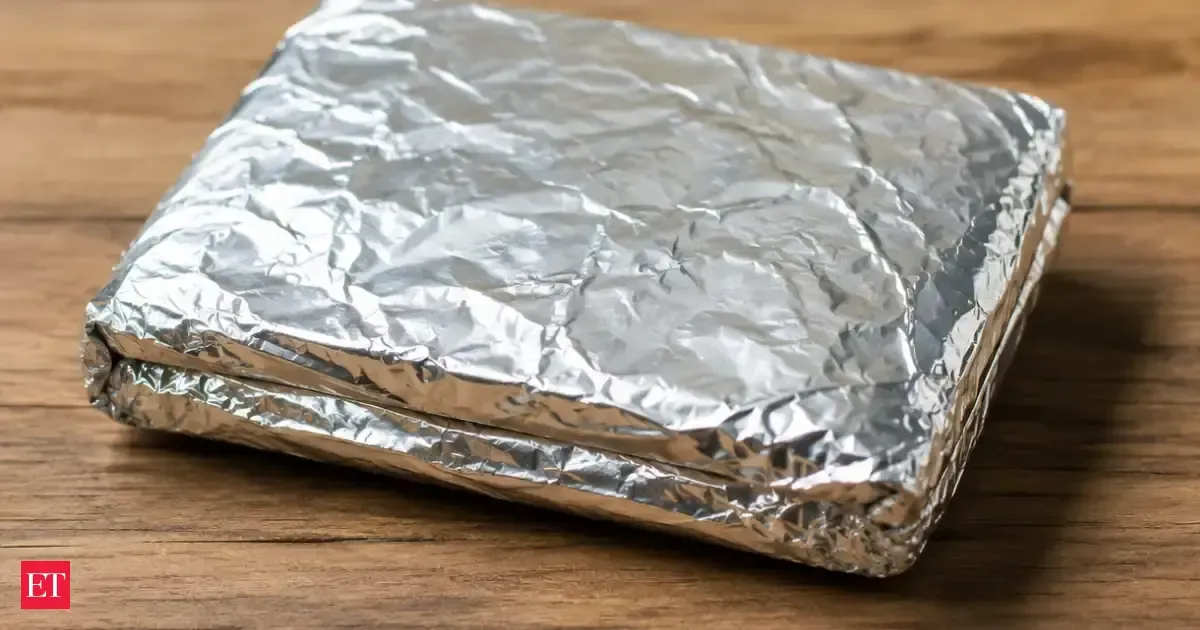
Aluminum foil is used by some to block wireless signals from devices like wallets and phones. Wallets often contain RFID-enabled IDs that can be read remotely, making foil a simple shield against unauthorized scanning. However, wrapping phones in foil offers only temporary signal interference, leading to battery drain without fully preventing tracking. Experts suggest managing device settings for better privacy protection than relying on foil alone.

Sentiment
52%
TBN's observations

First-hand measurement across 2 sources

We measured how 2 outlets covered this story. No outlet gave this story a measurable political slant — there is no left–right reading to report. Overall sentiment is neutral (52/100). Lens Score 42/100.

Outlets measured: economictimes, economictimes. See how each one headlined and framed the same story in the source comparison below.

AI analysis of 2 sources · Published under editorial oversight by The Balanced News
Analysed 20 Jul 2026· How this analysis is produced· Editorial standards· Corrections

AI Analysis

Sentiment — Neutral (52/100)

Sentiment was consistent across outlets (52–52/100), indicating broadly factual reporting rather than editorialising.

Coverage timeline

economictimes broke this story on 20 Jul, 03:24 am. Other outlets followed.

20 Jul, 03:24 am2 sources · 6 h20 Jul, 09:35 am
AI analysis by the TBN Bias Engine · beat methodology byAshwin Alsi· Technology Editor· editorial standards byOjas Kale
← Previous
AI's Growing Power in Political Persuasion Raises Concerns Over Truth and Democracy
Next →
Cory Doctorow Explores Human-Machine Roles in New AI-Focused Book
1
economictimes20 Jul, 03:24 am
Why are more people wrapping their wallets in aluminum foil to help block wireless theft
  • 2
    economictimes20 Jul, 09:35 am
    Does wrapping your phone in aluminum foil block tracking? The truth behind this viral privacy hack
  • Who's involved

    Institutions and figures named across source coverage.

    Government
    Department of Homeland Security

    Story context

    Category
    Tech
    Location
    Washington (state), United States
    Sources analysed
    2
    Last analysed
    20 Jul 2026
    Key entities
    Aluminium foilFoil (fencing)Electric power transmissionAluminiumRadio-frequency identificationWalletTheftWirelessDriver's licenseAmerican Civil Liberties UnionPassportRadio wave