Skip to content
Get the Balanced News app for a better experience!
The Balanced News Logo
Analytics
The Balanced News Logo

Stay Balanced, Stay Informed

Menu
  • Browse News
  • Underreported Stories
  • Curated Feeds
  • Insights
  • Analytics
  • Our Writers
  • About Us
  • Download App
Learn
  • How It Works
  • Bias Detection
  • Lens Score
  • Source Bias Checker
  • Accountability
  • Custom Feeds
Newsroom
  • Writers & Analysts
  • About TBN
  • Editorial Standards
  • Corrections Policy
  • Our Partners
  • Insights
Socials
  • Youtube
  • Instagram
  • X
  • Facebook
News Categories
  • Trending
  • Politics
  • Sports
  • Business
  • Tech
  • Entertainment
  • Health
  • Science
  • Crime
  • Lifestyle
  • National
  • International
  • Good News
  • Crypto

Get Our App

Available for iOS and Android


LensFeedsInsightsAnalyticsTrendingGood NewsSportsPoliticsBusinessCrimeTechEntertainmentHealthNationalInternational

© 2026 The Balanced News. All rights reserved.

About UsEditorial StandardsCorrectionsHelp & SupportPrivacy PolicyTerms & Conditions
NASA's Roman Space Telescope Expected to Operate Over 20 Years After Fuel Savings
Categories

Categories

Related Coverage

Select a news story to see related coverage from other media outlets.

Related Coverage

Select a news story to see related coverage from other media outlets.

  1. Home
  2. /
  3. Technology

NASA's Roman Space Telescope Expected to Operate Over 20 Years After Fuel Savings

Analysed 15 Sept 2026·2 sources analysed·Florida, United States·Technology
NASA's Roman Space Telescope Expected to Operate Over 20 Years After Fuel SavingsPreviousNext

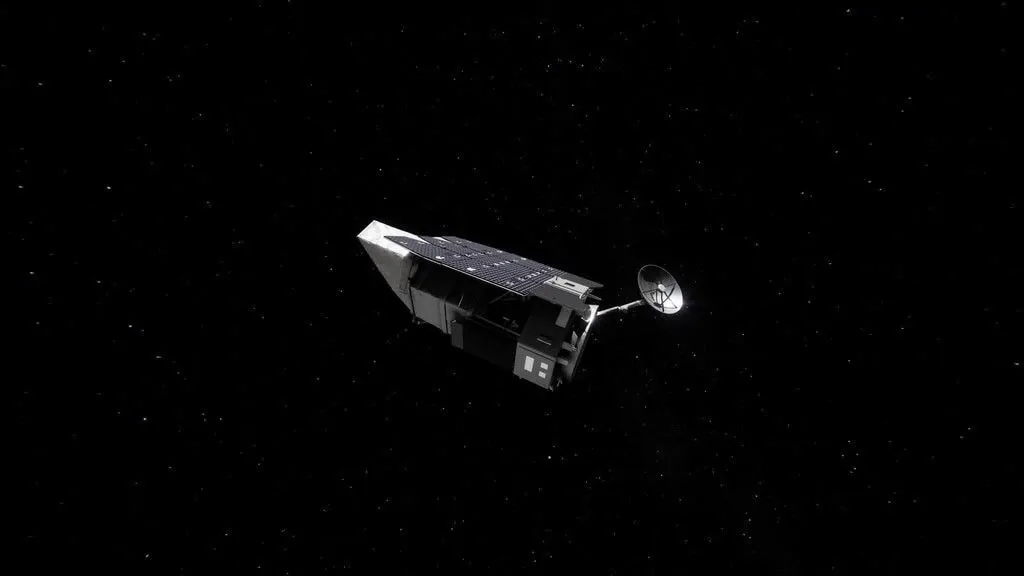
NASA's Nancy Grace Roman Space Telescope, launched on August 30, 2026, aboard a SpaceX Falcon Heavy, has conserved significantly more fuel than expected during its first major trajectory correction. Using less than 10% of the planned propellant, this precise maneuver and the spacecraft's lighter launch mass could extend its operational life to at least 22 years, more than double the original 10-year design. The telescope is en route to the Sun-Earth Lagrange point L2, where it will conduct infrared surveys to study dark energy, dark matter, galaxy formation, and exoplanets.

Sentiment
75%
TBN's observations

First-hand measurement across 2 sources

We measured how 2 outlets covered this story. No outlet gave this story a measurable political slant — there is no left–right reading to report. Overall sentiment is positive (75/100). Lens Score 39/100.

Outlets measured: indiatoday, moneycontrol. See how each one headlined and framed the same story in the source comparison below.

AI analysis of 2 sources · Published under editorial oversight by The Balanced News
Analysed 15 Sept 2026· How this analysis is produced· Editorial standards· Corrections

AI Analysis

Sentiment — Positive (75/100)

Sentiment was consistent across outlets (75–75/100), indicating broadly factual reporting rather than editorialising.

Coverage timeline

moneycontrol broke this story on 15 Sept, 05:45 am. Other outlets followed.

15 Sept, 05:45 am2 sources · 34 min15 Sept, 06:19 am
AI analysis by the TBN Bias Engine · beat methodology byAshwin Alsi· Technology Editor· editorial standards byOjas Kale
← Previous
Emerging AI Roles Highlight India's Skill Gap and Developer Productivity Tools
Next →
Hexaware Partners with Project NANDA Fellowship to Develop Open-Source AI Agent Infrastructure
1
moneycontrol15 Sept, 05:45 am
Can NASA's Roman Telescope really run for 22 years on fuel? The surprising fuel-saving mystery explained!- Moneycontrol.com
  • 2
    indiatoday15 Sept, 06:19 am
    Nasa's Roman Telescope launch was so precise that its life in space has doubled
  • Who's involved

    Institutions and figures named across source coverage.

    Government
    National Aeronautics and Space Administration
    Corporate
    Space Exploration Technologies Corporation

    Story context

    Category
    Tech
    Location
    Florida, United States
    Sources analysed
    2
    Last analysed
    15 Sept 2026
    Key entities
    NASANancy Grace Roman Space TelescopePropellantFalcon HeavyTelescopeSpacecraftLagrange pointDark energyDark matterSpace telescopeOrbitEarth