Concerns and Skepticism Surround AI's Impact on Children and Generation Z
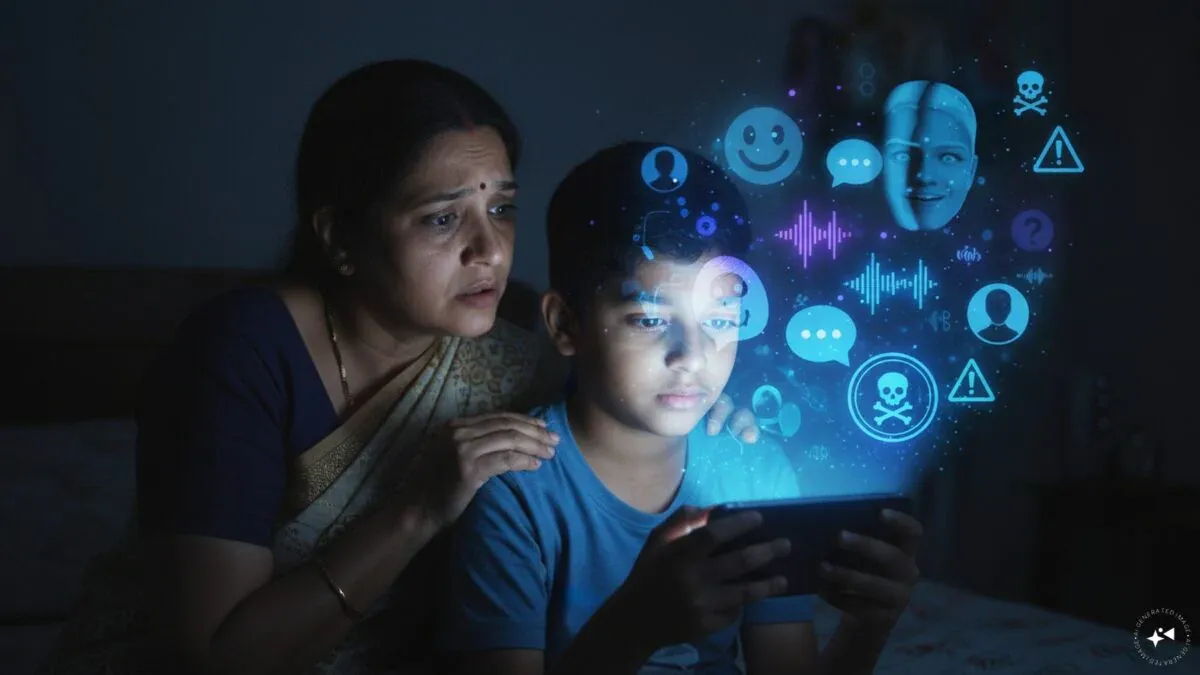
Recent discussions highlight contrasting views on artificial intelligence (AI). Concerns arise over AI-driven online threats to children, such as deepfakes and digital grooming, prompting calls for enhanced digital literacy beyond traditional parental controls. Meanwhile, Generation Z expresses skepticism toward AI's impact on creativity and learning, as seen in reactions to public figures endorsing AI. This generational divide reflects broader debates on AI's role in society, education, and future opportunities.
First-hand measurement across 2 sources
We measured how 2 outlets covered this story. Coverage leans balanced overall (Left 30%, Centre 70%, Right 0%). Overall sentiment is neutral (45/100). Lens Score 24/100 — low public interest.
Outlets analysed (first-hand measurement by TBN's Bias Engine):
- news18— balanced framing, neutral sentiment
- ndtv— left-leaning framing, neutral sentiment
AI Analysis
The articles present perspectives focusing on societal and generational responses to AI without explicit political framing. One emphasizes parental and educational concerns about AI-related online risks to children, while the other highlights Generation Z's critical stance on AI's influence on creativity and employment. Both sources frame AI as a complex issue with diverse viewpoints rather than aligning with specific political ideologies.
The overall tone is mixed, combining caution and concern about AI's potential harms with critical skepticism from younger generations. While the first article underscores risks and challenges posed by AI to children's safety, the second reflects apprehension and resistance among youth toward AI adoption. Neither article adopts an overtly positive or negative stance but rather presents nuanced views on AI's societal implications.