India's First Hydrogen-Powered Train Completes Successful High-Speed Trials
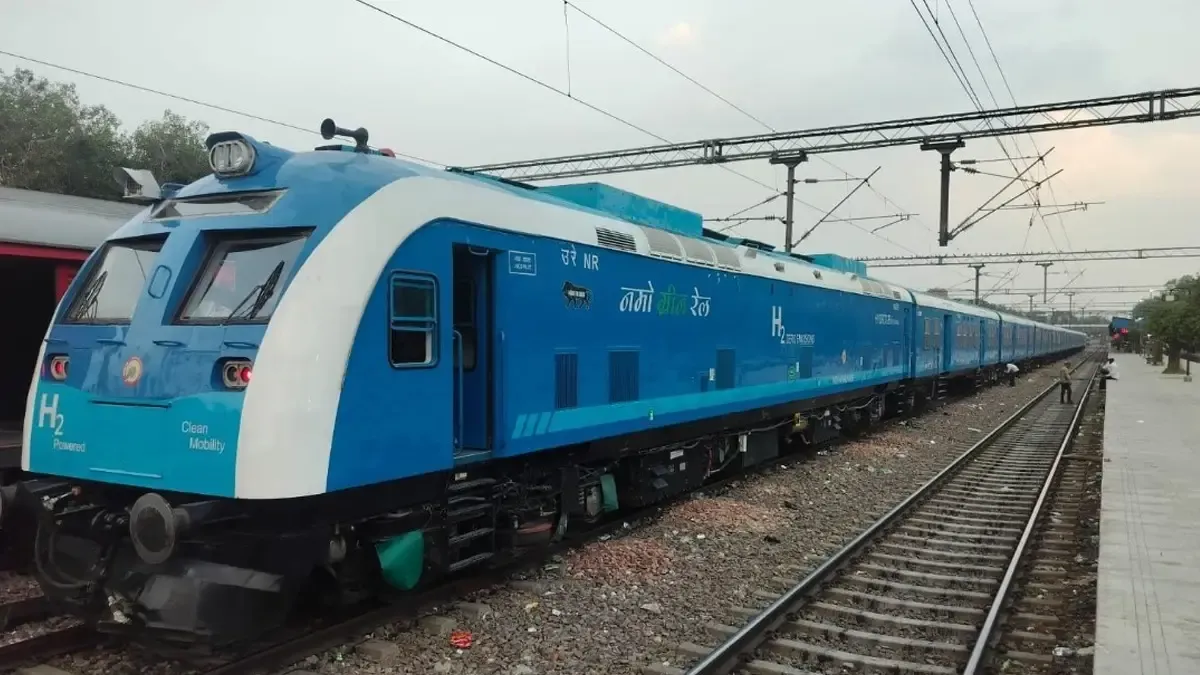
India's first hydrogen-powered train successfully completed high-speed trial runs between New Delhi and Jind, reaching 120 kmph, with operational speeds planned at 75 kmph. Developed by Indian Railways and partners, the 10-coach train uses hydrogen fuel cells producing only water vapor, aiming to reduce carbon emissions. Safety features and refuelling infrastructure at Jind support the pilot project, which is expected to enter passenger service pending regulatory approvals, marking a step toward sustainable rail transport.
First-hand measurement across 11 sources
We measured how 11 outlets covered this story. Coverage leans balanced overall (Left 3%, Centre 95%, Right 2%). Overall sentiment is positive (75/100). Lens Score 34/100 — low public interest.
Outlets analysed (first-hand measurement by TBN's Bias Engine):
- oneindia— balanced framing, positive sentiment
- freepressjournal— balanced framing, positive sentiment
- hindustantimes— balanced framing, positive sentiment
- swarajyamag— balanced framing, positive sentiment
- republicworld— balanced framing, positive sentiment
- freepressjournal— balanced framing, positive sentiment
- indianexpress— balanced framing, positive sentiment
- thefinancialexpress— balanced framing, positive sentiment
AI Analysis
The article group presents a largely technical and developmental perspective focused on Indian Railways' efforts to introduce hydrogen-powered trains. Coverage includes government and industry viewpoints highlighting innovation and environmental goals, with limited critical or oppositional perspectives. The framing emphasizes progress and sustainability without partisan framing, reflecting a consensus on advancing green transportation technology.
The overall tone across the articles is positive and optimistic, emphasizing successful trials, technological achievements, and environmental benefits. While cautious about pending approvals and operational details, the coverage conveys enthusiasm for the project's potential to reduce emissions and modernize rail transport, with no significant negative sentiment or controversy noted.