US Addresses AI Security and Competition Amid Advances in Chinese AI Models
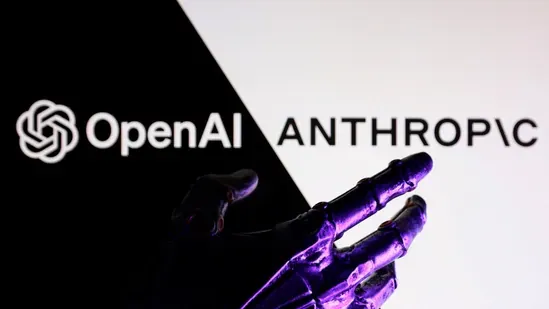
US AI companies Anthropic and OpenAI have accused Chinese firms of copying their advanced AI technologies using a method called distillation, raising concerns about national security and competitive advantage. China is estimated to be 6 to 9 months behind the US in AI development, but rapidly advancing. In response, US officials are considering a capability-based framework to regulate AI model releases amid growing adoption of cheaper Chinese AI systems by global businesses, which challenges US control over advanced AI distribution.
First-hand measurement across 3 sources
We measured how 3 outlets covered this story. Coverage leans balanced overall (Left 13%, Centre 77%, Right 10%). Overall sentiment is neutral (52/100). Lens Score 41/100 — moderate-to-low public interest.
Outlets analysed (first-hand measurement by TBN's Bias Engine):
- economictimes— balanced framing, neutral sentiment
- firstpost— balanced framing, neutral sentiment
- hindustantimes— balanced framing, neutral sentiment
AI Analysis
The articles present perspectives from US technology companies and government officials emphasizing concerns over Chinese AI development and intellectual property issues. They highlight US efforts to maintain technological leadership and national security without overtly assigning blame. The coverage reflects a US-centric viewpoint focused on competitive dynamics and policy responses, with limited direct input from Chinese sources.
The overall tone is cautious and concerned, focusing on potential risks to US AI leadership and national security posed by Chinese advancements. While acknowledging China's progress, the coverage underscores challenges faced by US companies and policymakers. The sentiment is largely neutral to slightly negative regarding the competitive pressures and security implications, without sensationalism.