Google and Meta Tell Delhi HC They Cannot Proactively Monitor Unauthorized Court Videos
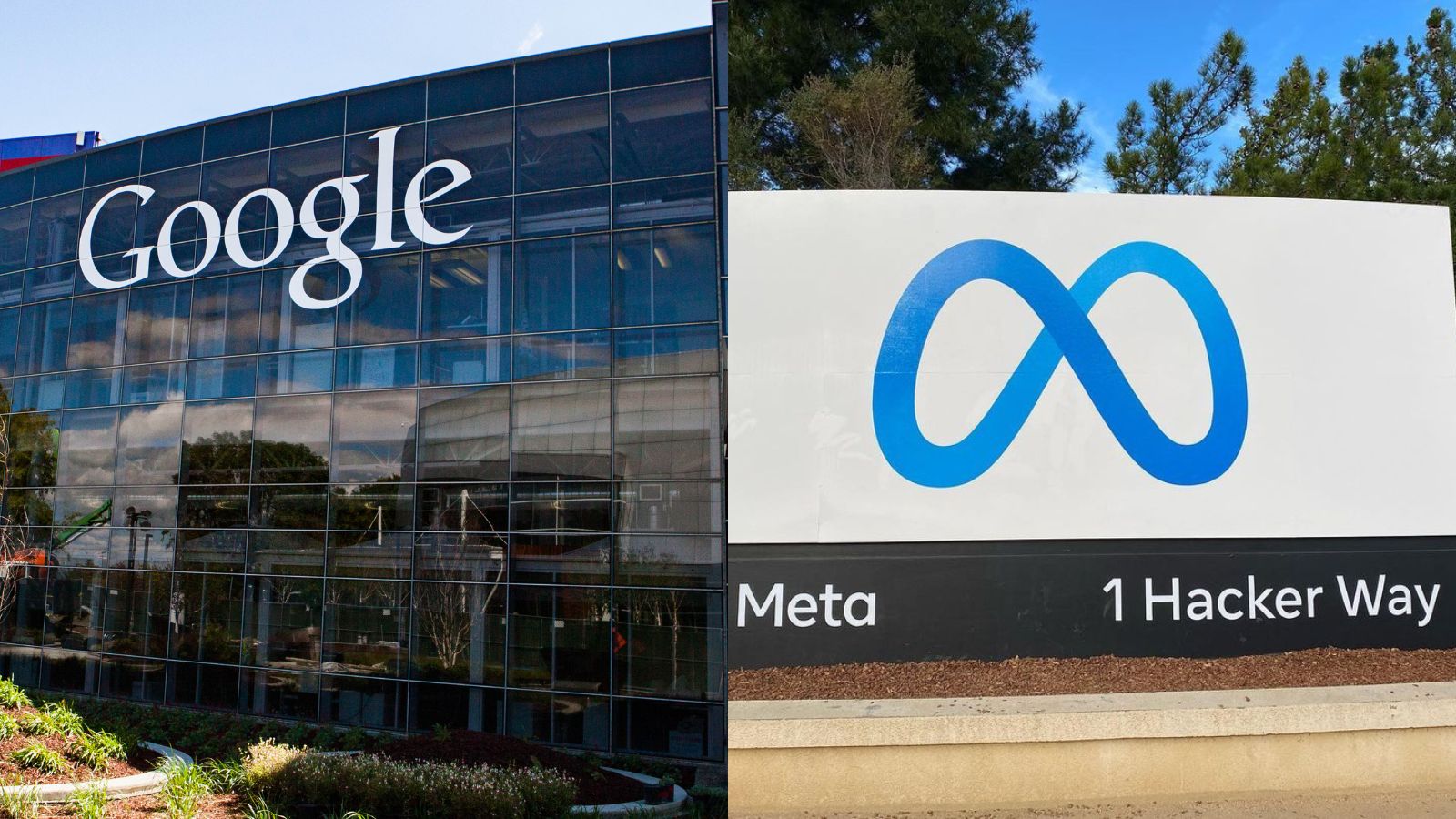
Google and Meta have informed the Delhi High Court that they cannot proactively monitor or prevent the re-uploading of unauthorized court hearing videos, citing their status as intermediaries under the IT Act. Both companies argue that policing billions of daily uploads is impractical and that liability lies with content uploaders. They stated they remove content only upon court orders or specific reports, opposing blanket monitoring mandates as legally untenable and operationally impossible. The court has deferred further hearing pending service to involved parties.
First-hand measurement across 5 sources
We measured how 5 outlets covered this story. Coverage leans balanced overall (Left 26%, Centre 68%, Right 6%). Overall sentiment is neutral (46/100). Lens Score 38/100 — moderate-to-low public interest.
Outlets analysed (first-hand measurement by TBN's Bias Engine):
- thetelegraph— balanced framing, neutral sentiment
- indianexpress— balanced framing, neutral sentiment
- economictimes— balanced framing, neutral sentiment
- economictimes— balanced framing, neutral sentiment
- republicworld— balanced framing, neutral sentiment
AI Analysis
The article group presents perspectives primarily from technology companies Google and Meta, emphasizing their legal and operational challenges in content monitoring. The petitioner's concerns about unauthorized court video dissemination are noted, but the companies' framing focuses on intermediary liability and practical limitations. The coverage includes judicial context without favoring any political party or viewpoint, maintaining a legal and procedural focus.
The overall tone across the articles is neutral to cautious, highlighting the complexities and limitations faced by tech platforms in content regulation. While the petitioner's concerns are acknowledged, the emphasis is on the impracticality of proactive monitoring and the legal framework governing intermediaries. There is no overtly positive or negative sentiment toward any party, reflecting a balanced presentation of the issue.