BatteryPool Develops Secure Battery Control to Prevent Remote Shutdowns in E-Rickshaws
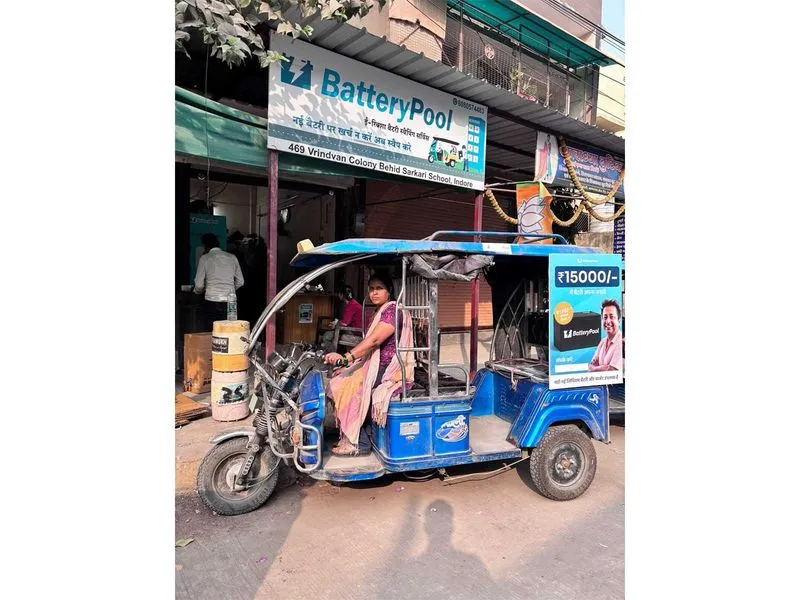
BatteryPool, an Indian deeptech-fintech startup, has developed a battery-control architecture for e-rickshaws that restricts battery control to charging points, preventing mid-ride shutdowns. This design responds to recent security breaches involving unauthorized Bluetooth access that allowed remote power cuts, causing drivers to lose daily earnings. Following these incidents, India's Ministry of Electronics and Information Technology removed three related apps from stores. BatteryPool's system uses encrypted firmware and communication over the CAN bus, limiting access to authorized personnel and eliminating wireless vulnerabilities.
First-hand measurement across 3 sources
We measured how 3 outlets covered this story. Coverage leans balanced overall (Left 0%, Centre 100%, Right 0%). Overall sentiment is positive (75/100). Lens Score 44/100 — moderate-to-low public interest.
Outlets analysed (first-hand measurement by TBN's Bias Engine):
- businessstandard— balanced framing, positive sentiment
- thetribune— balanced framing, positive sentiment
- thehindu— balanced framing, positive sentiment
AI Analysis
The articles primarily present a technological and regulatory perspective without evident political framing. They highlight government actions, such as app removals by the Ministry of Electronics and Information Technology, and focus on a startup's technical solution. The coverage reflects a neutral stance emphasizing security concerns and industry responses, without partisan viewpoints or political debate.
The overall tone is informative and cautiously optimistic, focusing on addressing security vulnerabilities in e-rickshaw battery systems. While acknowledging recent incidents that caused disruptions and financial losses for drivers, the articles emphasize BatteryPool's proactive technological measures to enhance safety, resulting in a balanced and solution-oriented sentiment.
How 3 sources covered this story
Each source's own headline, political lean, and sentiment — so you can see framing differences at a glance.