SpaceX Launches World's First Commercial Nuclear-Powered Satellite on Transporter-17 Mission
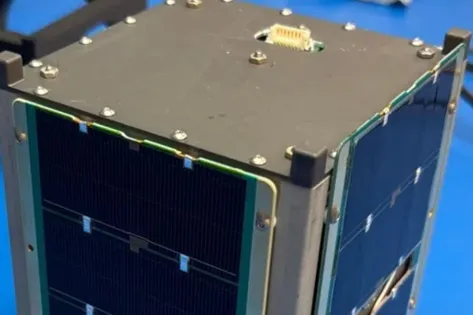
SpaceX launched the BOHR satellite, the world's first commercial nuclear-powered spacecraft, on July 7 from Vandenberg Space Force Base as part of the Transporter-17 rideshare mission carrying 81 payloads. Developed by City Labs, BOHR tests a proprietary NanoTritium betavoltaic battery that converts energy from tritium's radioactive decay into electricity, aiming to provide reliable power for missions beyond low Earth orbit and in sunlight-limited environments. The launch marks a milestone in commercial space nuclear technology and regulatory progress.
First-hand measurement across 2 sources
We measured how 2 outlets covered this story. Coverage leans balanced overall (Left 0%, Centre 100%, Right 0%). Overall sentiment is positive (75/100). Lens Score 36/100 — moderate-to-low public interest.
Outlets analysed (first-hand measurement by TBN's Bias Engine):
- swarajyamag— balanced framing, positive sentiment
- indianexpress— balanced framing, positive sentiment
AI Analysis
The articles present a largely technical and factual perspective focused on the satellite's launch and technology, with no evident political framing. They highlight the innovation and regulatory aspects from the company and space agency viewpoints without partisan commentary. The coverage centers on scientific advancement and commercial space exploration, reflecting industry and technological interests rather than political debate.
The tone across the articles is positive and forward-looking, emphasizing the historic nature of the launch and the potential of nuclear power for future space missions. Statements from company officials underscore optimism about the technology's applications. There is no critical or negative sentiment; instead, the coverage conveys enthusiasm for innovation and progress in space exploration.