Skip to content
Get the Balanced News app for a better experience!
The Balanced News Logo
Analytics
The Balanced News Logo

Stay Balanced, Stay Informed

Menu
  • Browse News
  • Underreported Stories
  • Curated Feeds
  • Insights
  • Analytics
  • Our Writers
  • About Us
  • Download App
Learn
  • How It Works
  • Bias Detection
  • Lens Score
  • Source Bias Checker
  • Accountability
  • Custom Feeds
Newsroom
  • Writers & Analysts
  • About TBN
  • Editorial Standards
  • Corrections Policy
  • Our Partners
  • Insights
Socials
  • Youtube
  • Instagram
  • X
  • Facebook
News Categories
  • Trending
  • Politics
  • Sports
  • Business
  • Tech
  • Entertainment
  • Health
  • Science
  • Crime
  • Lifestyle
  • National
  • International
  • Good News
  • Crypto

Get Our App

Available for iOS and Android


LensFeedsInsightsAnalyticsTrendingGood NewsSportsPoliticsBusinessCrimeTechEntertainmentHealthNationalInternational

© 2026 The Balanced News. All rights reserved.

About UsEditorial StandardsCorrectionsHelp & SupportPrivacy PolicyTerms & Conditions
Privacy Concerns Rise as Meta Smart Glasses and Detection Apps Gain Attention
Categories

Categories

Related Coverage

Select a news story to see related coverage from other media outlets.

Related Coverage

Select a news story to see related coverage from other media outlets.

  1. Home
  2. /
  3. Technology

Privacy Concerns Rise as Meta Smart Glasses and Detection Apps Gain Attention

Analysed 25 Aug 2026·2 sources analysed·India·Technology
Privacy Concerns Rise as Meta Smart Glasses and Detection Apps Gain AttentionPreviousNext

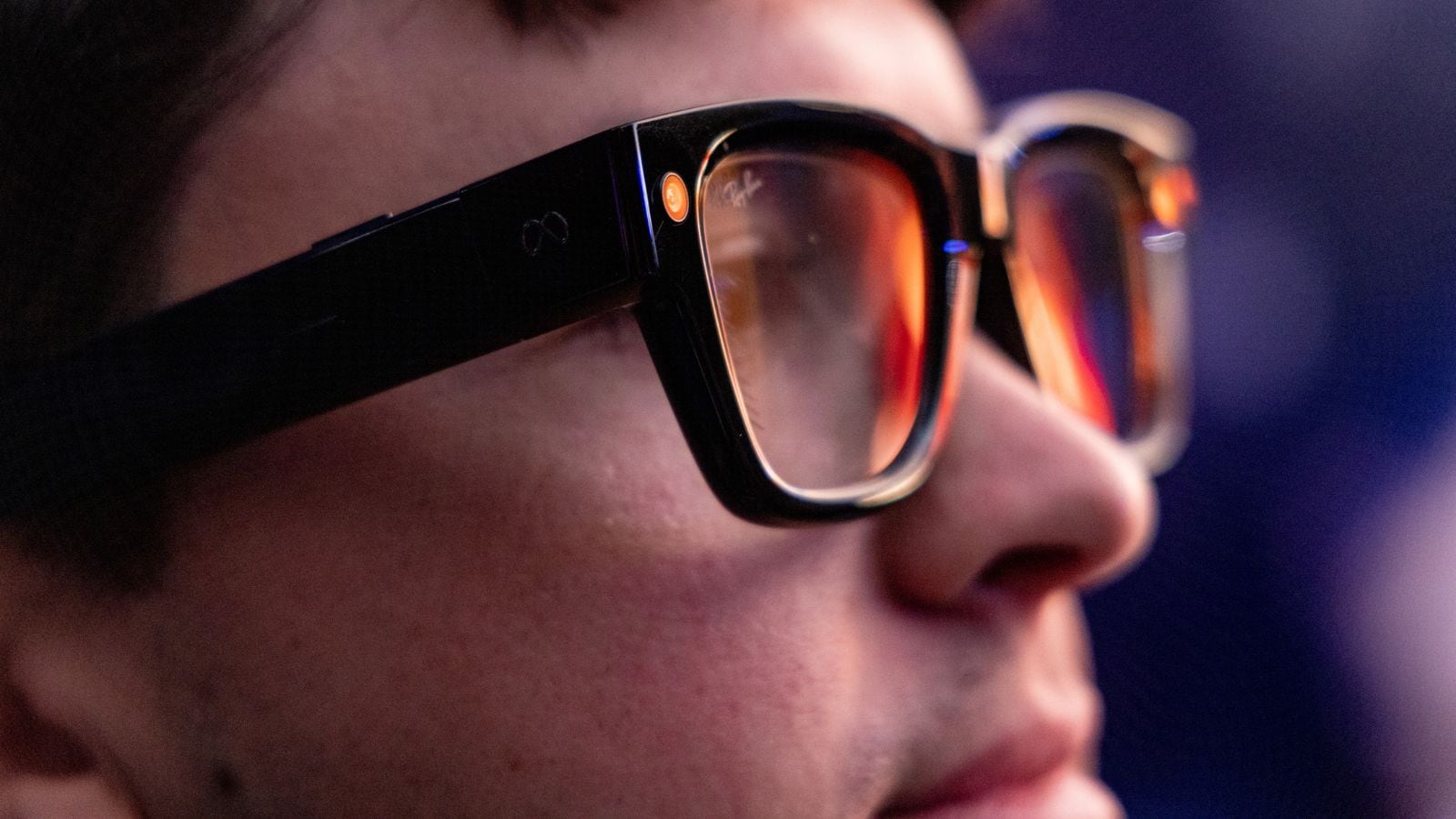
Meta's AI-powered smart glasses, promoted by celebrities like Kylie Jenner, feature discreet cameras and microphones enabling calls, messaging, and photo capture. While Meta emphasizes user control and privacy, concerns persist about covert recording, limited indicators, and potential misuse. In response, apps like Zuckoff have emerged to detect nearby smart glasses, alerting users to their presence but not active recording. These developments highlight ongoing privacy challenges as wearable technology advances faster than current laws and social norms.

Sentiment
45%
TBN's observations

First-hand measurement across 2 sources

We measured how 2 outlets covered this story. No outlet gave this story a measurable political slant — there is no left–right reading to report. Overall sentiment is neutral (45/100). Lens Score 41/100.

Outlets measured: indianexpress, thehindu. See how each one headlined and framed the same story in the source comparison below.

AI analysis of 2 sources · Published under editorial oversight by The Balanced News
Analysed 25 Aug 2026· How this analysis is produced· Editorial standards· Corrections

AI Analysis

Sentiment — Neutral (45/100)

Sentiment was consistent across outlets (38–52/100), indicating broadly factual reporting rather than editorialising.

Coverage timeline

thehindu broke this story on 24 Aug, 07:58 pm. Other outlets followed.

24 Aug, 07:58 pm2 sources · 15 h25 Aug, 11:09 am
  1. 1
AI analysis by the TBN Bias Engine · beat methodology byAshwin Alsi· Technology Editor· editorial standards byOjas Kale
← Previous
Scindia Urges C-DOT to Advance 6G and Globalize Indigenous Telecom Technologies
Next →
Samsung Lowers Prices on Galaxy S26 Ultra and S25 Ultra in India with Discounts
thehindu24 Aug, 07:58 pm
Smart glasses highlight gaps in privacy laws
  • 2
    indianexpress25 Aug, 11:09 am
    Smart glasses are everywhere: How new Bluetooth-based apps make it easier to spot them
  • Who's involved

    Institutions and figures named across source coverage.

    Government
    Government of India
    Corporate
    Meta Platforms IncorporatedGoogle LLCApple Inc.Snap Inc.Even RealitiesReliance Industries Limited
    Judiciary
    Supreme Court of India

    Story context

    Category
    Tech
    Location
    India
    Sources analysed
    2
    Last analysed
    25 Aug 2026
    Key entities
    Meta PlatformsSmartglassesGlassesPrivacySocial mediaSurveillanceMobile appKylie JennerNational Crime Records BureauPrivacy lawWearable technologySpeech recognition