Skip to content
Get the Balanced News app for a better experience!
The Balanced News Logo
Analytics
The Balanced News Logo

Stay Balanced, Stay Informed

Menu
  • Browse News
  • Underreported Stories
  • Curated Feeds
  • Insights
  • Analytics
  • Our Writers
  • About Us
  • Download App
Learn
  • How It Works
  • Bias Detection
  • Lens Score
  • Source Bias Checker
  • Accountability
  • Custom Feeds
Newsroom
  • Writers & Analysts
  • About TBN
  • Editorial Standards
  • Corrections Policy
  • Our Partners
  • Insights
Socials
  • Youtube
  • Instagram
  • X
  • Facebook
News Categories
  • Trending
  • Politics
  • Sports
  • Business
  • Tech
  • Entertainment
  • Health
  • Science
  • Crime
  • Lifestyle
  • National
  • International
  • Good News
  • Crypto

Get Our App

Available for iOS and Android


LensFeedsInsightsAnalyticsTrendingGood NewsSportsPoliticsBusinessCrimeTechEntertainmentHealthNationalInternational

© 2026 The Balanced News. All rights reserved.

About UsEditorial StandardsCorrectionsHelp & SupportPrivacy PolicyTerms & Conditions
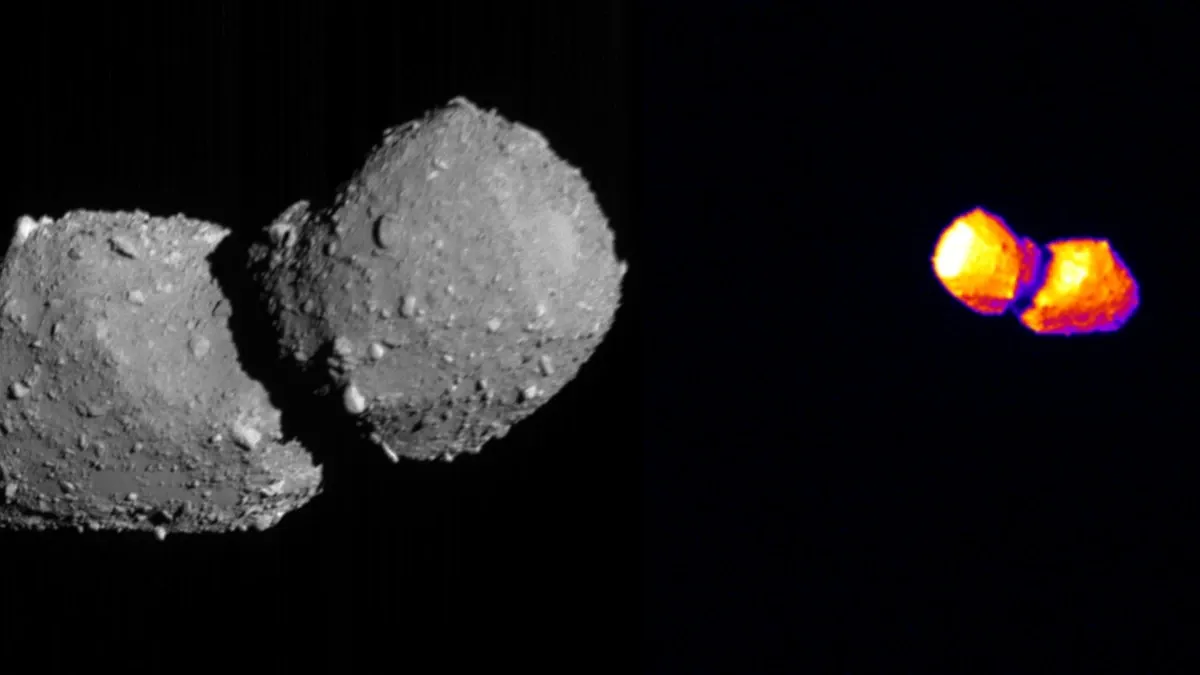
Japan's Hayabusa2 Conducts Close Flyby of Two-Lobed Asteroid Torifune
Categories

Categories

Related Coverage

Select a news story to see related coverage from other media outlets.

Related Coverage

Select a news story to see related coverage from other media outlets.

  1. Home
  2. /
  3. Technology

Japan's Hayabusa2 Conducts Close Flyby of Two-Lobed Asteroid Torifune

Analysed 7 Jul 2026·2 sources analysed·Japan·Technology
Japan's Hayabusa2 Conducts Close Flyby of Two-Lobed Asteroid TorifunePreviousNext

Japan's Hayabusa2 spacecraft conducted a record close flyby of asteroid Torifune, about 100 million kilometres from Earth, capturing detailed images of the two-lobed, roughly 450-metre-wide space rock. Scientists describe Torifune as a contact binary formed by two bodies merging gently. The mission, part of Hayabusa2's extended journey after returning samples from asteroid Ryugu in 2020, aims to study asteroid formation and test deflection capabilities. Data on the asteroid's composition and orbit were also collected for future analysis.

TBN's observations

First-hand measurement across 2 sources

We measured how 2 outlets covered this story. Coverage leans balanced overall (Left 0%, Centre 100%, Right 0%). Overall sentiment is positive (75/100). Lens Score 30/100 — low public interest.

Outlets analysed (first-hand measurement by TBN's Bias Engine):

  • indiatoday— balanced framing, positive sentiment
  • wion— balanced framing, positive sentiment
Political Bias
0%100%0%
Sentiment
75%
AI analysis of 2 sources · Published under editorial oversight by The Balanced News
Analysed 7 Jul 2026· How this analysis is produced· Editorial standards· Corrections

AI Analysis

Political bias across 2 sources
● Left 0%● Center 100%● Right 0%

The articles present a scientific and exploratory perspective focused on Japan's space agency achievements without political framing. Both sources emphasize the mission's technical success and scientific value, reflecting a neutral stance centered on space research and planetary defense. There is no evident political bias, as coverage highlights factual mission details and expert reactions.

Sentiment — Positive (75/100)

The overall tone across the articles is positive and enthusiastic, highlighting the excitement of scientists and the significance of the mission's achievements. Expressions of amazement and satisfaction, such as 'goosebumps' and 'over the moon,' convey a celebratory mood regarding the new data and images obtained. The sentiment remains focused on scientific progress and discovery.

How 2 sources covered this story

Each source's own headline, political lean, and sentiment — so you can see framing differences at a glance.

Reviewed byAshwin Alsi· Technology Editor· Edited byOjas Kale
← Previous
Snapchat Begins Age Verification in Australia Ahead of Under-16 Social Media Ban
Next →
QpiAI Releases Open-Source Quantum SDK to Support Global Software Development
SourceTheir headlineBiasSentiment
indiatodayJapan's Hayabusa2 sends first picture of peanut asteroid 100 million km from EarthCenterPositive
wionProbe carries out record flyby of asteroid 100mn km from Earth - 'It gave me goosebumps'CenterPositive

Coverage timeline

wion broke this story on 7 Jul, 04:54 am. Other outlets followed.

  1. 1
    wion7 Jul, 04:54 am
    Probe carries out record flyby of asteroid 100mn km from Earth - 'It gave me goosebumps'
  2. 2
    indiatoday7 Jul, 06:36 am
    Japan's Hayabusa2 sends first picture of peanut asteroid 100 million km from Earth

Lens Score breakdown

30/100
Public interest0/100
Coverage gap100%

Well-covered story — coverage matches public importance.

Who's involved

Institutions and figures named across source coverage.

Government
Japan Aerospace Exploration Agency

Story context

Category
Tech
Location
Japan
Sources analysed
2
Last analysed
7 Jul 2026
Key entities
Hayabusa2AsteroidEarthFlyby (spaceflight)162173 RyuguJAXASpacecraftPotentially hazardous objectAsteroid impact avoidanceJapanRock (geology)Contact binary (small Solar System body)