Delhi Cabinet Approves EV Policy 2026 with Rs 15,000 Crore Investment and Phased EV Registration
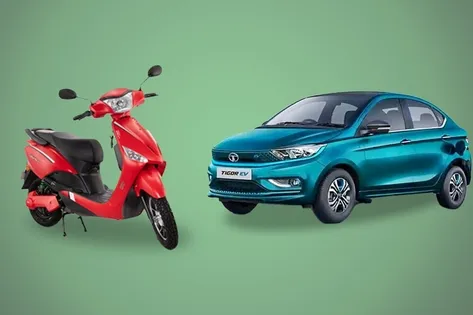
Delhi's Cabinet has approved the Electric Vehicle (EV) Policy 2026, effective from July 1, aiming to accelerate the capital's transition to clean mobility with a Rs 15,000 crore investment over four years. The policy mandates only electric autorickshaws be registered from January 1, 2027, and electric two-wheelers from April 1, 2028. It offers subsidies up to Rs 50,000 for electric two- and three-wheelers, a Rs 1 lakh scrappage incentive for older vehicles, and 100% road tax and registration fee exemptions for electric cars priced up to Rs 30 lakh. Hybrid vehicles are excluded from subsidies. The policy targets 95% electric vehicle registrations by 2027 to reduce pollution and expand EV infrastructure.
First-hand measurement across 15 sources
We measured how 15 outlets covered this story. Coverage leans balanced overall (Left 11%, Centre 80%, Right 9%). Overall sentiment is positive (75/100). Lens Score 30/100 — low public interest.
Outlets analysed (first-hand measurement by TBN's Bias Engine):
- economictimes— balanced framing, positive sentiment
- zeenews— balanced framing, positive sentiment
- oneindia— balanced framing, positive sentiment
- thetelegraph— balanced framing, positive sentiment
- economictimes— balanced framing, positive sentiment
- businessstandard— balanced framing, positive sentiment
- republicworld— balanced framing, positive sentiment
- thefinancialexpress— balanced framing, positive sentiment
AI Analysis
The article group presents a range of perspectives primarily from government officials and policy announcements, emphasizing Delhi's commitment to electric mobility and pollution reduction. Some sources highlight the policy's incentives and infrastructure plans, while others note the exclusion of hybrid vehicles and concerns from stakeholders like auto drivers. Overall, coverage reflects official narratives with limited opposition viewpoints, focusing on policy details and implementation timelines.
The overall tone across the articles is positive, highlighting the government's proactive steps to promote electric vehicles and environmental benefits. Coverage emphasizes financial incentives, infrastructure investments, and pollution reduction goals. However, some articles mention concerns from affected stakeholders and the removal of hybrid subsidies, introducing a balanced view without significant negativity.