India Cuts Commercial LPG Cylinder Prices by Rs 183.50 from July 1, Domestic Rates Unchanged
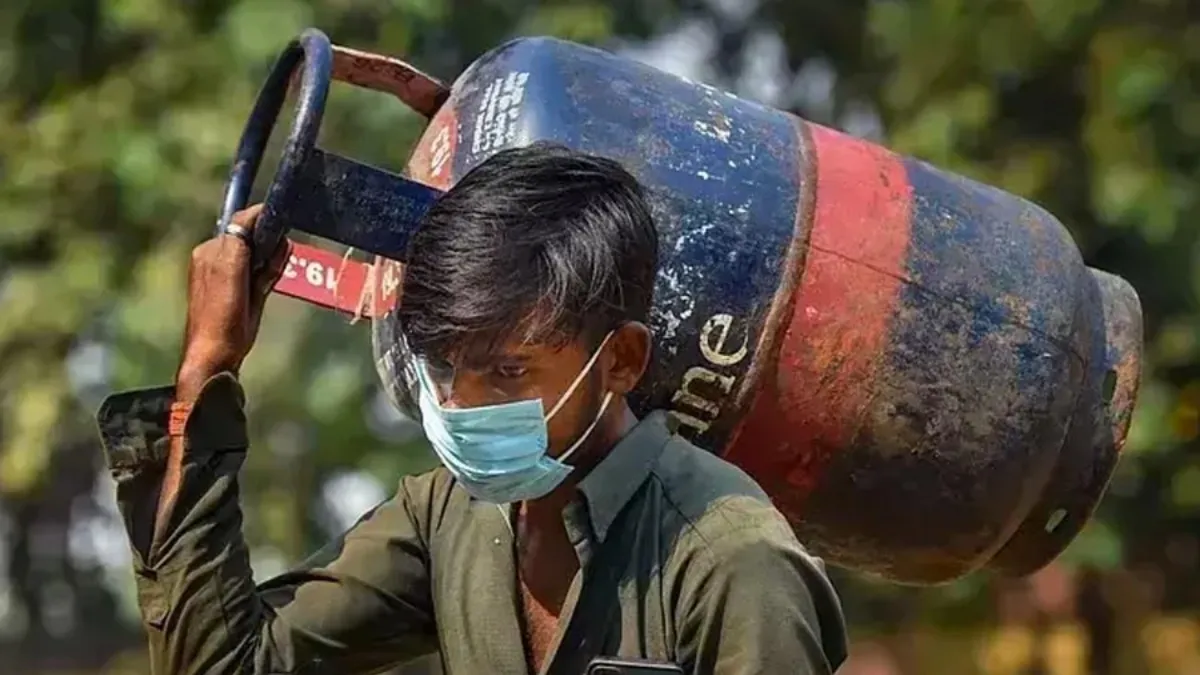
From July 1, 2026, oil marketing companies in India have reduced the price of 19-kg commercial LPG cylinders by Rs 183.50, lowering the Delhi price to Rs 2,930. This marks the first commercial LPG price cut this year after several increases linked to geopolitical tensions in West Asia. The reduction offers relief to businesses like restaurants, hotels, and caterers facing high fuel costs. However, domestic LPG cylinder prices remain unchanged, with the 14.2-kg cylinder still priced at Rs 942 in Delhi and similar rates across major cities.
First-hand measurement across 15 sources
We measured how 15 outlets covered this story. Coverage leans balanced overall (Left 5%, Centre 91%, Right 4%). Overall sentiment is neutral (59/100). Lens Score 32/100 — low public interest.
Outlets analysed (first-hand measurement by TBN's Bias Engine):
- northeastnow— balanced framing, neutral sentiment
- thefinancialexpress— balanced framing, neutral sentiment
- thetribune— balanced framing, neutral sentiment
- news18— balanced framing, positive sentiment
- swarajyamag— balanced framing, positive sentiment
- mint— balanced framing, positive sentiment
- republicworld— balanced framing, positive sentiment
- thetelegraph— balanced framing, neutral sentiment
AI Analysis
The article group presents a largely neutral economic and policy-focused perspective, emphasizing government and oil companies' pricing decisions without partisan framing. Sources include official statements and industry reactions, reflecting viewpoints of businesses affected by price changes and government policy responses. There is no evident political polarization; coverage centers on market and geopolitical factors influencing LPG prices.
The overall tone is cautiously positive, highlighting relief for commercial LPG users after months of price hikes. While the price cut is welcomed by businesses, the unchanged domestic rates temper enthusiasm for household consumers. The sentiment balances acknowledgment of easing costs for industries with recognition of ongoing challenges for domestic users, resulting in a mixed but generally constructive coverage.