Gujarat High Court Rules Hindu Marriage Requires Customary Rites Beyond Registration
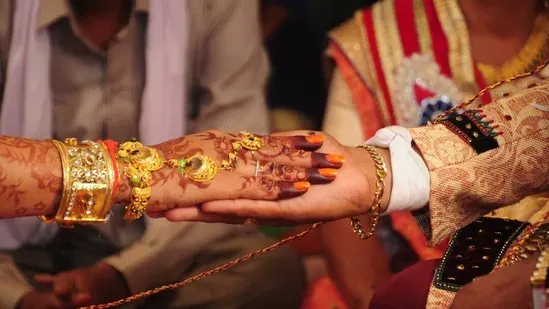
The Gujarat High Court ruled that registration alone does not validate a Hindu marriage without customary rites like saptapadi, which confer spiritual, social, and legal status. The court set aside a family court order and declared a registered marriage null and void after a UK-based man challenged it, alleging fraud and absence of ceremonies. The woman admitted no rites were performed, and the court emphasized that solemnisation through traditional ceremonies is essential under the Hindu Marriage Act.
First-hand measurement across 6 sources
We measured how 6 outlets covered this story. Coverage leans balanced overall (Left 3%, Centre 95%, Right 2%). Overall sentiment is neutral (55/100). Lens Score 32/100 — low public interest.
Outlets analysed (first-hand measurement by TBN's Bias Engine):
- ndtv— balanced framing, neutral sentiment
- economictimes— balanced framing, neutral sentiment
- hindustantimes— balanced framing, neutral sentiment
- indiatoday— balanced framing, neutral sentiment
- hindustantimes— balanced framing, neutral sentiment
- indianexpress— balanced framing, neutral sentiment
AI Analysis
The article group presents a legal perspective focused on the Gujarat High Court's interpretation of Hindu marriage laws, primarily reflecting judicial viewpoints without political framing. The coverage includes the appellant's claims and the respondent's admissions, maintaining a neutral stance on the dispute. There is no evident political bias, as the sources emphasize legal principles and procedural facts rather than political implications.
The overall tone across the articles is neutral and factual, concentrating on the court's legal reasoning and procedural developments. The coverage avoids emotional language, presenting the dispute and ruling objectively. While the appellant's allegations of fraud are noted, the sentiment remains balanced, focusing on the legal standards for marriage validity rather than personal judgments.