Vessel Traffic Drops in Strait of Hormuz as India-Bound Ships Go Dark Amid Tensions
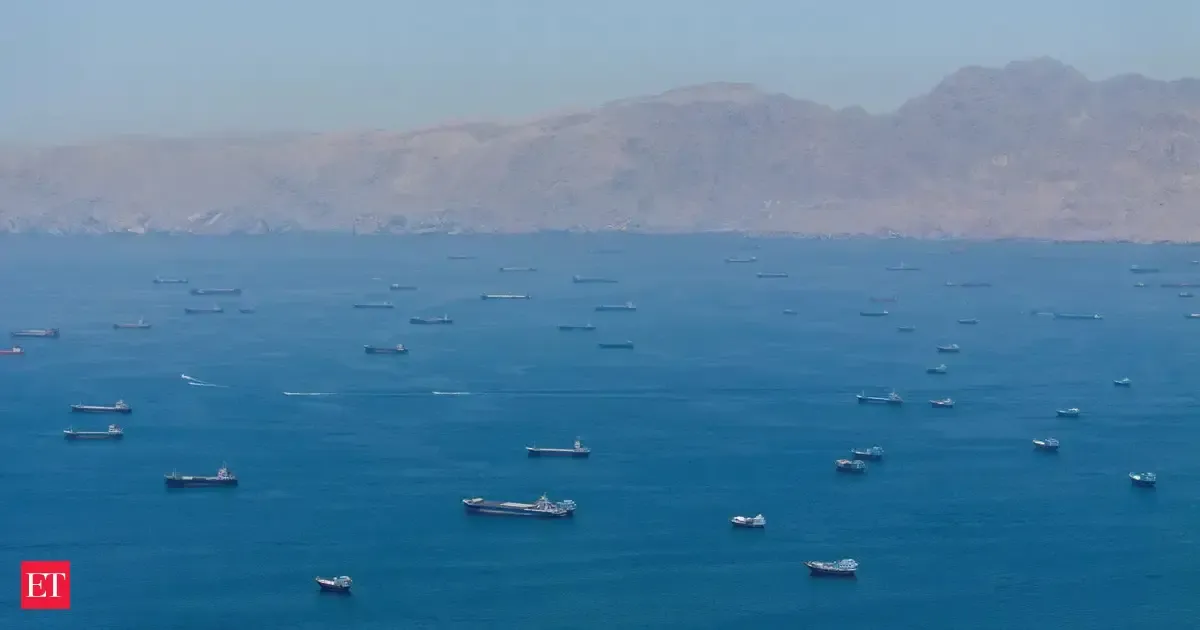
Vessel traffic through the Strait of Hormuz has declined following recent attacks on ships attributed to Iran, prompting many India-bound vessels to switch off their tracking systems, a practice known as "going dark," to reduce exposure to potential threats. Data shows that ships favor the Oman-side shipping lane, considered safer and backed by the US and Oman but not recognized by Iran. Despite reduced visible traffic, US-assisted navigation continues amid ongoing peace talks between the US and Iran aimed at halting attacks.
First-hand measurement across 4 sources
We measured how 4 outlets covered this story. Coverage leans balanced overall (Left 10%, Centre 85%, Right 5%). Overall sentiment is neutral (36/100). Lens Score 34/100 — low public interest.
Outlets analysed (first-hand measurement by TBN's Bias Engine):
- indianexpress— balanced framing, neutral sentiment
- news18— balanced framing, negative sentiment
- ndtv— balanced framing, neutral sentiment
- economictimes— balanced framing, neutral sentiment
AI Analysis
The articles present multiple perspectives including US and Iranian actions, shipping companies' risk assessments, and maritime data analysis. Coverage includes official US claims of Iranian attacks, shipping industry caution, and the strategic use of different transit lanes. The framing balances geopolitical tensions with commercial and navigational concerns without favoring any side.
The overall tone is cautious and factual, reflecting concerns over maritime security and reduced vessel movements without sensationalism. While highlighting risks and recent attacks, the coverage also notes ongoing US-assisted navigation and peace negotiations, resulting in a mixed but measured sentiment emphasizing uncertainty and vigilance.
How 4 sources covered this story
Each source's own headline, political lean, and sentiment — so you can see framing differences at a glance.