India Accelerates Battery Storage Capacity Amid Rising Power Demand and Renewable Integration
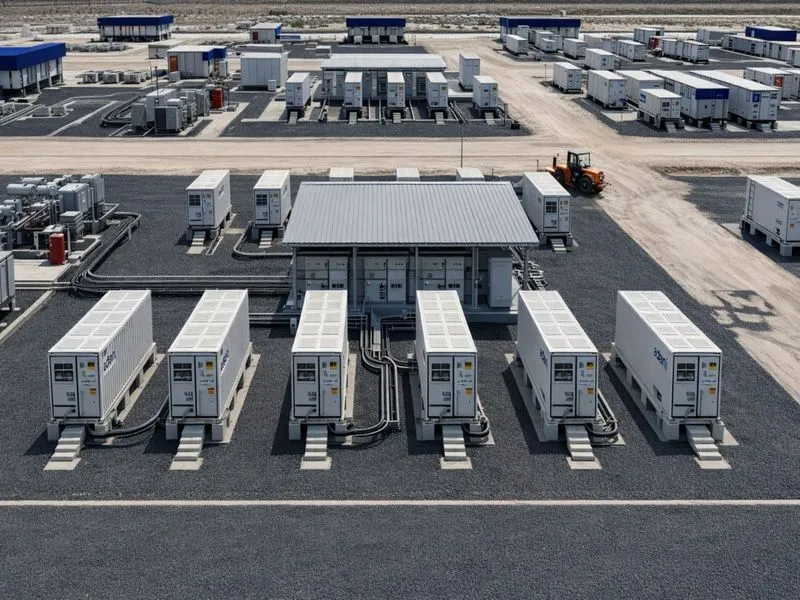
India is rapidly expanding its Battery Energy Storage System (BESS) capacity, which reached 2.7 GW (7.5 GWh) with significant additions in May, supporting rising electricity demand during heatwaves and delayed monsoon rains. HSBC and Equirus reports highlight a robust pipeline of 42 GWh under construction and 40 GWh awarded, with projections reaching over 140 GWh in coming years. Declining battery costs and demand from data centers and renewable integration are key growth drivers, while power demand hit record highs in May and June amid elevated cooling needs.
First-hand measurement across 4 sources
We measured how 4 outlets covered this story. Coverage leans balanced overall (Left 0%, Centre 100%, Right 0%). Overall sentiment is positive (72/100). Lens Score 30/100 — low public interest.
Outlets analysed (first-hand measurement by TBN's Bias Engine):
- thefinancialexpress— balanced framing, positive sentiment
- thetribune— balanced framing, positive sentiment
- news18— balanced framing, positive sentiment
- thetribune— balanced framing, positive sentiment
AI Analysis
The article group presents a largely technical and economic perspective on India's battery storage expansion, focusing on industry reports from HSBC and Equirus. It includes government-related procurement programs and DISCOM preferences without partisan framing. The coverage reflects a consensus on the importance of battery storage for grid reliability and renewable energy growth, with no evident political bias or ideological positioning.
The overall tone across the articles is positive and forward-looking, emphasizing growth opportunities in battery storage and renewable energy integration. While acknowledging challenges like supply overhang in solar projects and elevated power demand due to heatwaves, the reports highlight technological progress and market momentum, resulting in an optimistic but balanced sentiment.