West Bengal Assembly Passes Bills Revising OBC Reservation, Removing Some Communities
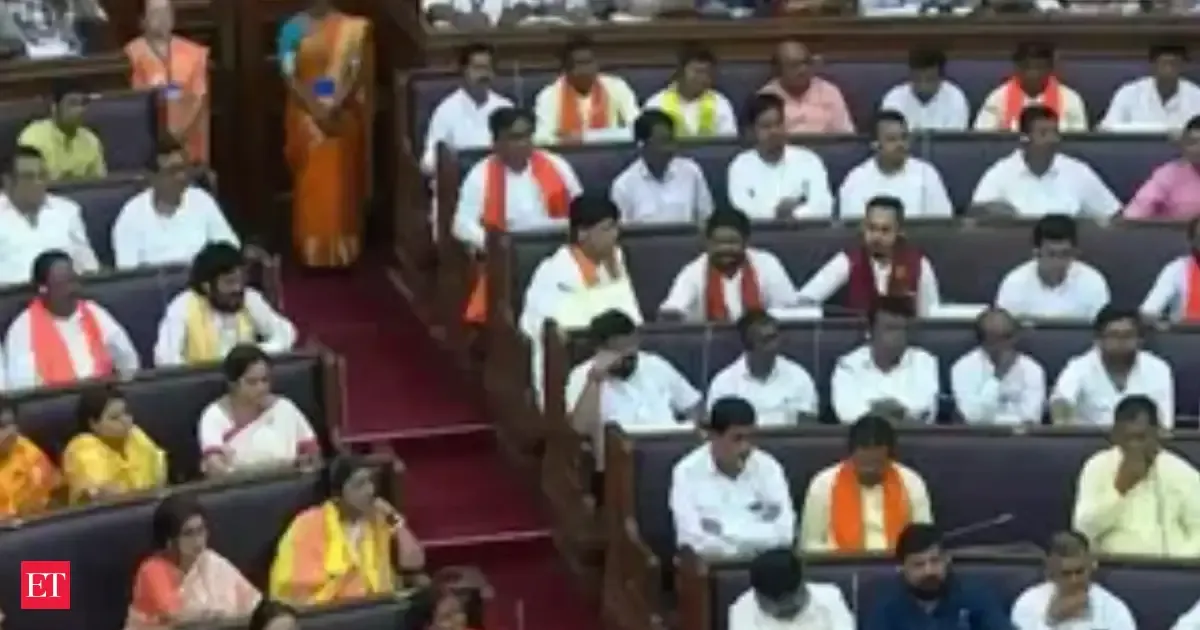
The West Bengal Assembly passed two amendment bills revising the state's Other Backward Classes (OBC) reservation framework, reducing the quota from 17% to 7% and limiting reservations to 66 communities. This move follows a Calcutta High Court directive invalidating the previous expansion that included 113 additional groups, many Muslim communities. The BJP-led government stated the amendments correct irregularities from the prior Trinamool Congress regime, while some opposition members opposed the changes, citing social justice concerns. The revised laws empower the Backward Classes Commission to oversee future community inclusion.
First-hand measurement across 11 sources
We measured how 11 outlets covered this story. Coverage leans balanced overall (Left 35%, Centre 42%, Right 23%). Overall sentiment is neutral (52/100). Lens Score 37/100 — moderate-to-low public interest.
Outlets analysed (first-hand measurement by TBN's Bias Engine):
- oneindia— balanced framing, neutral sentiment
- english— left-leaning framing, neutral sentiment
- zeenews— right-leaning framing, neutral sentiment
- hindustantimes— balanced framing, neutral sentiment
- thetelegraph— balanced framing, neutral sentiment
- news18— left-leaning framing, neutral sentiment
- indiatoday— balanced framing, neutral sentiment
- news18— balanced framing, neutral sentiment
AI Analysis
The article group presents perspectives from the BJP-led government emphasizing legal compliance and correction of past irregularities, particularly regarding Muslim community inclusion. Opposition voices, mainly from rebel TMC members, express concerns about social justice and procedural fairness. Coverage includes official statements and opposition reactions, reflecting the political contest around reservation policy without endorsing either side.
The overall tone is neutral to mixed, focusing on legislative developments and legal compliance. While the BJP government's rationale is presented factually, opposition objections highlight dissent and concerns. The coverage avoids emotive language, maintaining a professional tone that acknowledges both the government's corrective claims and the opposition's reservations.