India's Solar Expansion Driven by AI Data Centres, Green Hydrogen, and Floating Solar Potential
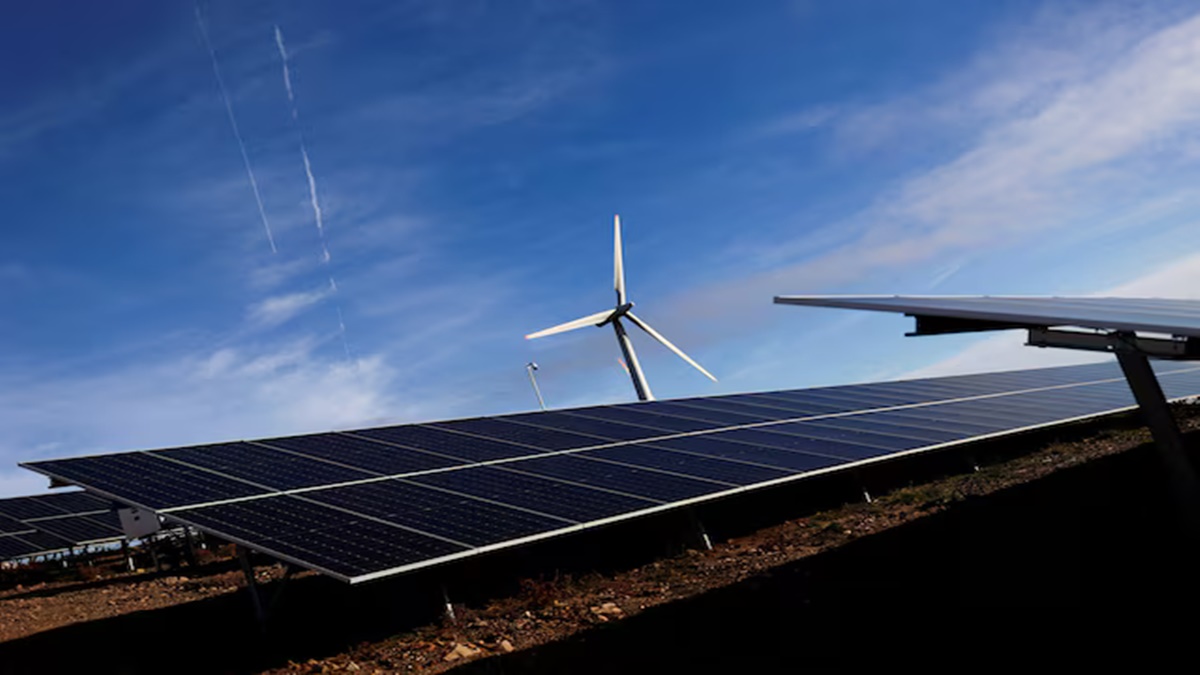
India's solar energy sector is poised for significant growth, driven by emerging demands from AI data centres and green hydrogen production, which could add 251 gigawatts of capacity by 2035. Concurrently, a national assessment by the National Institute of Solar Energy identifies reservoirs as capable of hosting 102 gigawatts of floating solar capacity, offering a land-neutral solution to expansion challenges. While floating solar incurs higher upfront costs, it addresses land acquisition issues critical to India's 500 GW non-fossil energy target by 2030.
First-hand measurement across 2 sources
We measured how 2 outlets covered this story. Coverage leans balanced overall (Left 10%, Centre 82%, Right 8%). Overall sentiment is positive (75/100). Lens Score 35/100 — moderate-to-low public interest.
Outlets analysed (first-hand measurement by TBN's Bias Engine):
- thefinancialexpress— balanced framing, positive sentiment
- thehindu— balanced framing, positive sentiment
AI Analysis
The articles present a largely technical and economic perspective on India's solar energy growth, focusing on government reports and industry investments without evident political framing. They highlight official assessments and corporate commitments, reflecting a consensus on renewable energy development rather than partisan viewpoints. The coverage emphasizes policy targets and market forecasts, maintaining neutrality across sources.
The tone across the articles is generally positive and forward-looking, emphasizing growth opportunities and technological solutions in India's solar sector. While acknowledging challenges like higher costs for floating solar and land acquisition issues, the coverage remains optimistic about meeting renewable energy goals through innovation and investment.
How 2 sources covered this story
Each source's own headline, political lean, and sentiment — so you can see framing differences at a glance.