India Faces Currency Pressure and Capital Flow Challenges Amid Economic Growth
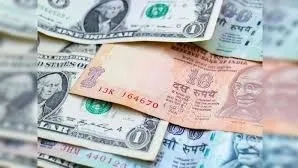
India's economy in 2026 faces challenges despite strong growth and substantial forex reserves near $700 billion. A weaker rupee, rising oil prices due to geopolitical tensions, and volatile foreign capital flows have widened the trade deficit and pressured markets. While exports and remittances support dollar inflows, concerns remain about sustaining foreign investment amid global uncertainties. Inflation and rising costs affect household finances, prompting calls for economic reforms and careful management of capital availability as India navigates a complex global environment.
First-hand measurement across 4 sources
We measured how 4 outlets covered this story. Coverage leans balanced overall (Left 12%, Centre 80%, Right 8%). Overall sentiment is neutral (52/100). Lens Score 21/100 — low public interest.
Outlets analysed (first-hand measurement by TBN's Bias Engine):
- mint— balanced framing, neutral sentiment
- ndtv— balanced framing, neutral sentiment
- indiatoday— balanced framing, neutral sentiment
- economictimes— balanced framing, neutral sentiment
AI Analysis
The article group presents a range of perspectives including government and market analysts highlighting India's economic strengths and vulnerabilities. Some sources emphasize external geopolitical factors affecting the rupee and capital flows, while others stress the need for domestic reforms. Opposition voices and economic commentators are noted, reflecting a balanced discourse on policy and market responses without partisan framing.
The overall tone is mixed, acknowledging India's robust economic growth and strong forex reserves while highlighting concerns over currency depreciation, inflation, and capital outflows. Coverage balances optimism about India's fundamentals with caution regarding external shocks and internal economic pressures, resulting in a nuanced sentiment that neither overly alarms nor downplays challenges.