2 hours agoBusiness
41LENS
6 SourcesVietnam
 thebalanced.news
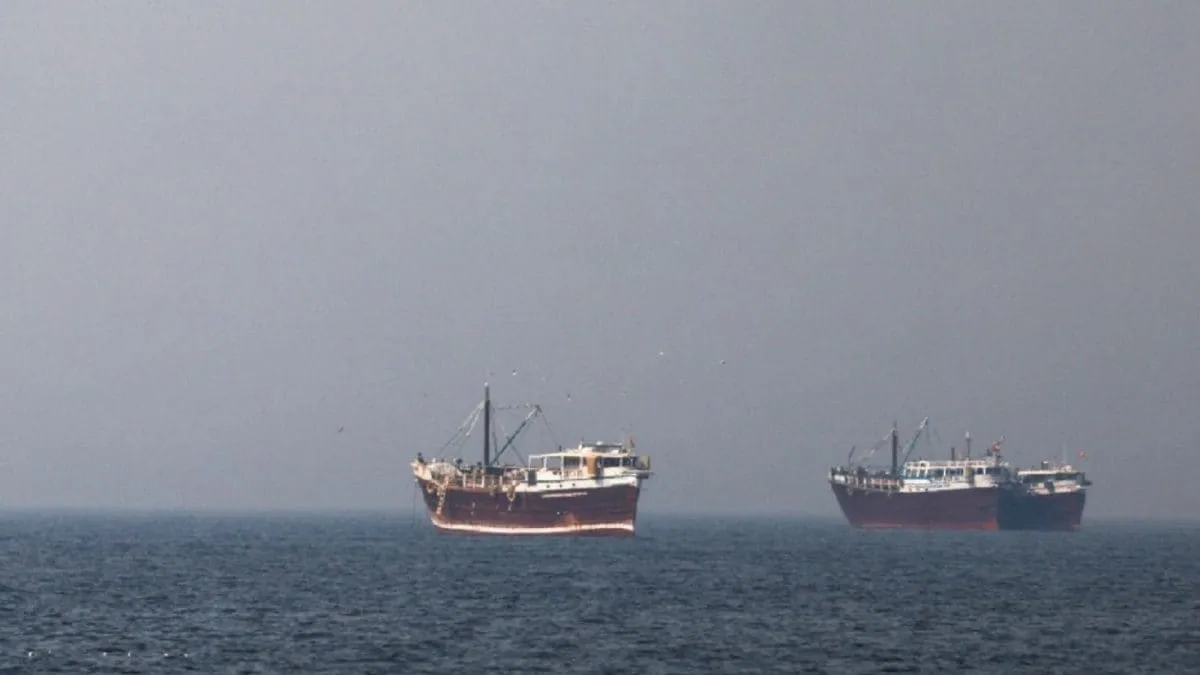
Global Energy Supply Disruptions and Economic Impact Amid Iran War and Hormuz Tensions
The Iran war and tensions in the Strait of Hormuz have disrupted global energy supplies, causing crude oil prices to surge above $100 per barrel. Countries including India, Pakistan, Vietnam, and Latin American nations are implementing measures such as fuel tax adjustments and subsidy cuts to manage rising costs. The aviation sector faces jet fuel shortages leading to flight cancellations, while global economic growth shows signs of slowing amid inflation concerns. Industry leaders warn that supply chain recovery may take months, prompting increased focus on energy security and renewables.
Political Bias
15%78%7%
Sentiment
40%
20 stories available
View AI Analysis
Bias Analysis: The article group presents a range of perspectives including government responses from affected countries, industry viewpoints, and economic analyses. Coverage includes official statements from India and Latin American governments, expert opinions from energy executives, and market assessments without favoring any political ideology. The framing focuses on factual impacts of the Iran conflict and related geopolitical tensions on energy markets and economies worldwide.
Sentiment: The overall tone across the articles is cautiously concerned, reflecting the negative economic and supply chain impacts of the Iran war and Strait of Hormuz tensions. While some articles highlight government efforts to mitigate fuel price pressures, the prevailing sentiment underscores challenges such as inflation, flight disruptions, and prolonged recovery timelines. Industry voices express uncertainty but also note potential shifts toward renewable energy as a strategic response.
Lens Score: 41/100 — Story is receiving appropriate media attention. Public interest: 0/100. Coverage gap: 80%.
Related Coverage
Select a news story to see related coverage from other media outlets.