India Approves Semiconductor Mission 2.0; Emergent Startup Becomes Unicorn
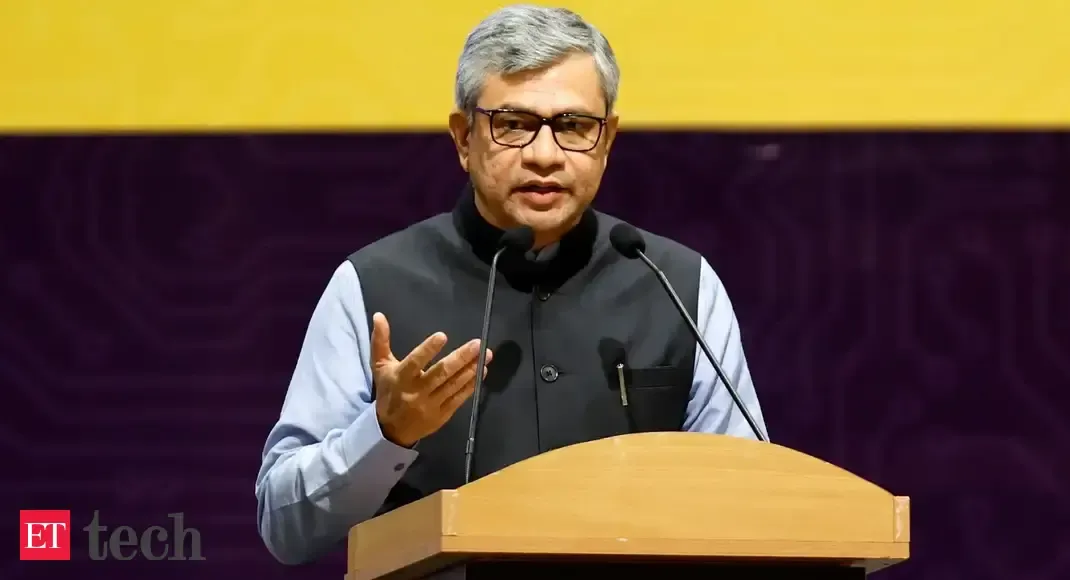
The Union Cabinet approved the India Semiconductor Mission (ISM) 2.0 with a Rs 1.27 lakh crore outlay to enhance domestic chip manufacturing, alongside a Rs 62,500 crore production-linked incentive for mobile phones. Separately, the government is considering reinstating the merchant discount rate (MDR) on UPI transactions for large merchants to address industry concerns over monetization. Meanwhile, AI startup Emergent raised $130 million, reaching a $1.5 billion valuation and joining the unicorn club within two years of launch.
First-hand measurement across 2 sources
We measured how 2 outlets covered this story. Coverage leans balanced overall (Left 5%, Centre 93%, Right 2%). Overall sentiment is positive (72/100). Lens Score 43/100 — moderate-to-low public interest.
Outlets analysed (first-hand measurement by TBN's Bias Engine):
- economictimes— balanced framing, positive sentiment
- economictimes— balanced framing, positive sentiment
AI Analysis
The articles primarily present government initiatives and industry developments without partisan framing. They include official announcements and industry perspectives, reflecting a pro-development stance common in economic reporting. The coverage balances government policy details with startup achievements, avoiding political controversy or opposition viewpoints.
The tone across the articles is generally positive, highlighting government efforts to boost manufacturing and the growth of a tech startup. While the MDR reinstatement is framed as a response to industry challenges, it is presented factually without negative or alarmist language, resulting in an overall constructive and informative sentiment.
How 2 sources covered this story
Each source's own headline, political lean, and sentiment — so you can see framing differences at a glance.