India Projects 6% Food Inflation in FY27 Amid Monsoon Deficit and Economic Shifts
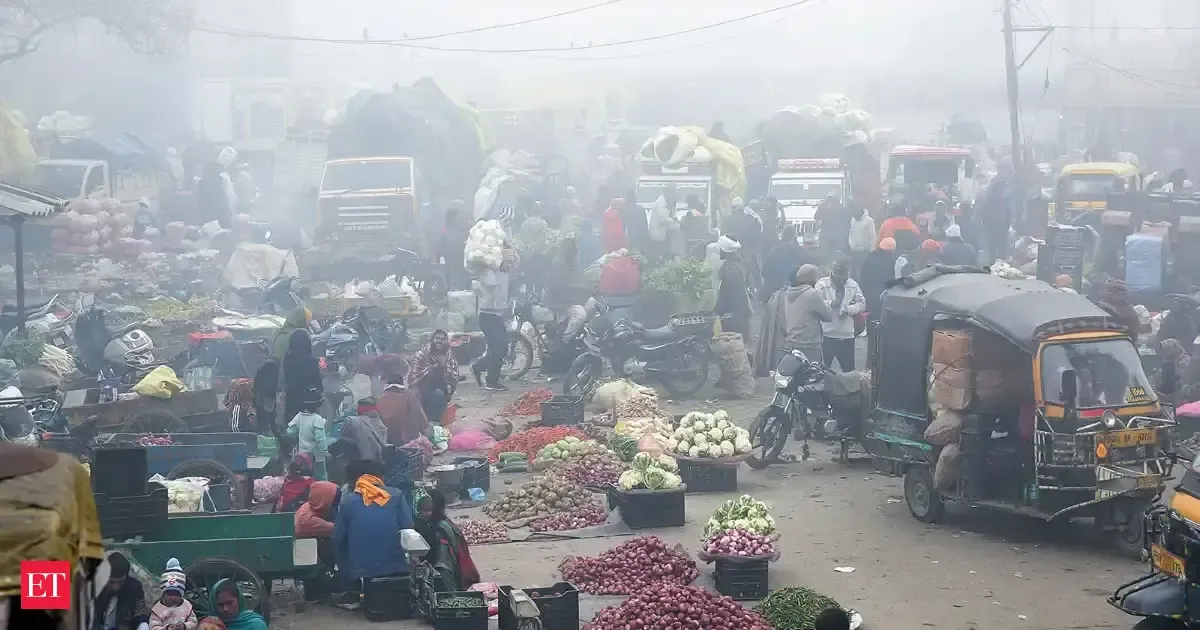
India's food inflation is projected to average around 6% in fiscal year 2027, with overall Consumer Price Index inflation expected at 5%, driven by a 41.5% monsoon rainfall deficit between June 1 and 29, 2026. This shortfall threatens agricultural output and raises food prices, especially edible oils, which saw 9.5% inflation in May. Despite a widening non-oil trade deficit and a Balance of Payments deficit, strong services exports, increased foreign direct investment, and rising remittances provide economic support. Government and RBI policies aim to stabilize the rupee amid expected crude oil prices near $90 per barrel.
First-hand measurement across 4 sources
We measured how 4 outlets covered this story. Coverage leans balanced overall (Left 8%, Centre 88%, Right 4%). Overall sentiment is neutral (52/100). Lens Score 32/100 — low public interest.
Outlets analysed (first-hand measurement by TBN's Bias Engine):
- firstpost— balanced framing, neutral sentiment
- english— balanced framing, neutral sentiment
- economictimes— balanced framing, neutral sentiment
- thetribune— balanced framing, neutral sentiment
AI Analysis
The articles collectively present a largely economic and policy-focused perspective without partisan framing. They include government and RBI policy measures alongside independent ratings agency projections, reflecting a technocratic viewpoint. The coverage balances concerns over inflation and trade deficits with positive aspects like services exports and foreign investment, avoiding political critique or praise.
The overall tone is cautiously neutral to slightly concerned, emphasizing inflation risks due to poor monsoon rainfall and trade challenges. However, it also highlights mitigating factors such as strong services exports, increased FDI, and policy interventions, resulting in a balanced sentiment that acknowledges both risks and economic resilience.
How 4 sources covered this story
Each source's own headline, political lean, and sentiment — so you can see framing differences at a glance.