India's Early Electric Vehicle History and Delhi's Revised EV Policy Proposal
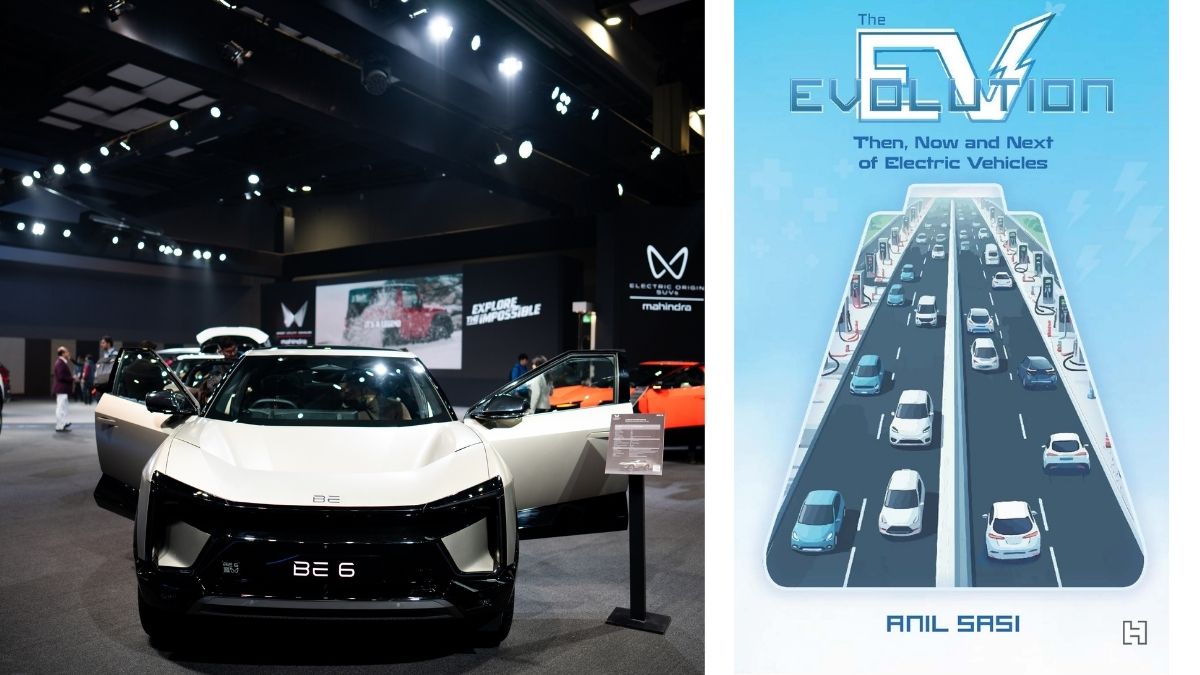
India's electric vehicle (EV) journey began in the early 1990s with the 'Lovebird,' a two-seater electric car developed in Kerala with government support. Recently, Delhi proposed a revised EV policy aiming to ban new internal combustion engine (ICE) three-wheeler registrations by 2027 and two-wheelers by 2028 to reduce pollution. The policy targets increased electrification across vehicle segments, including school buses and fleets, but has faced opposition from some auto firms during stakeholder consultations.
First-hand measurement across 2 sources
We measured how 2 outlets covered this story. Coverage leans balanced overall (Left 15%, Centre 80%, Right 5%). Overall sentiment is neutral (62/100). Lens Score 31/100 — low public interest.
Outlets analysed (first-hand measurement by TBN's Bias Engine):
- thehindu— balanced framing, neutral sentiment
- thefinancialexpress— balanced framing, positive sentiment
AI Analysis
The articles present a range of perspectives, from historical development of EVs in India to current government policy initiatives in Delhi. The first article offers a factual historical account without political framing, while the second discusses government policy proposals and industry responses, reflecting both regulatory ambitions and stakeholder concerns. This mix provides a balanced view of government efforts and industry reactions without partisan bias.
The overall tone is informative and neutral, combining historical achievements with current policy developments. While the first article highlights early innovation positively, the second acknowledges both the ambitious goals of Delhi's EV policy and the opposition from auto firms, resulting in a balanced sentiment that neither overly praises nor criticizes the initiatives.