30 minutes agoBusiness
24LENS
5 SourcesIndia
 thebalanced.news
India's $5 Trillion Household Gold Wealth: Economic Implications and Trends
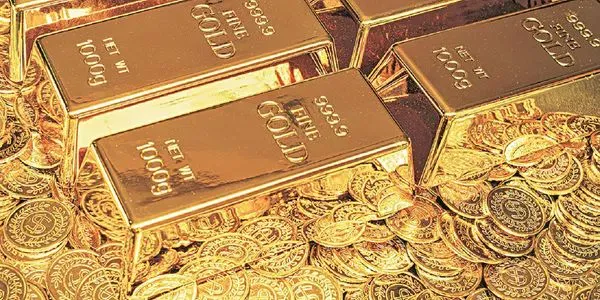
Indian households hold gold worth around $5 trillion, about 125% of the country's GDP, making it a major component of non-property wealth. While rising gold prices increase perceived household wealth, this does not translate into higher spending or economic growth. Instead, many prefer gold loans over selling gold to access credit. Experts warn that heavy gold holdings may divert savings from productive financial assets, potentially impacting liquidity and foreign reserves, posing challenges for broader economic development.
Political Bias
6%91%3%
Sentiment
52%
21 stories available
View AI Analysis
Bias Analysis: The articles present a largely economic and financial perspective without overt political framing. They include viewpoints from institutional reports and government data, focusing on household behavior and macroeconomic effects. The coverage reflects concerns about economic growth and financial stability, with no partisan or ideological bias evident, emphasizing expert analysis and regulatory changes.
Sentiment: The overall tone is neutral to cautiously analytical, highlighting both the perceived wealth effect of rising gold prices and the potential economic drawbacks. While acknowledging the cultural preference for gold and its role as a store of value, the articles also discuss risks such as reduced liquidity and limited impact on consumption, resulting in a balanced but slightly concerned sentiment.
Lens Score: 24/100 — Story is well-covered by media outlets. Public interest: 0/100. Coverage gap: 100%.
Related Coverage
Select a news story to see related coverage from other media outlets.