Delhi High Court Upholds 1999 Murder Conviction; Kerala High Court Overturns 1991 Case Citing Evidence Delay
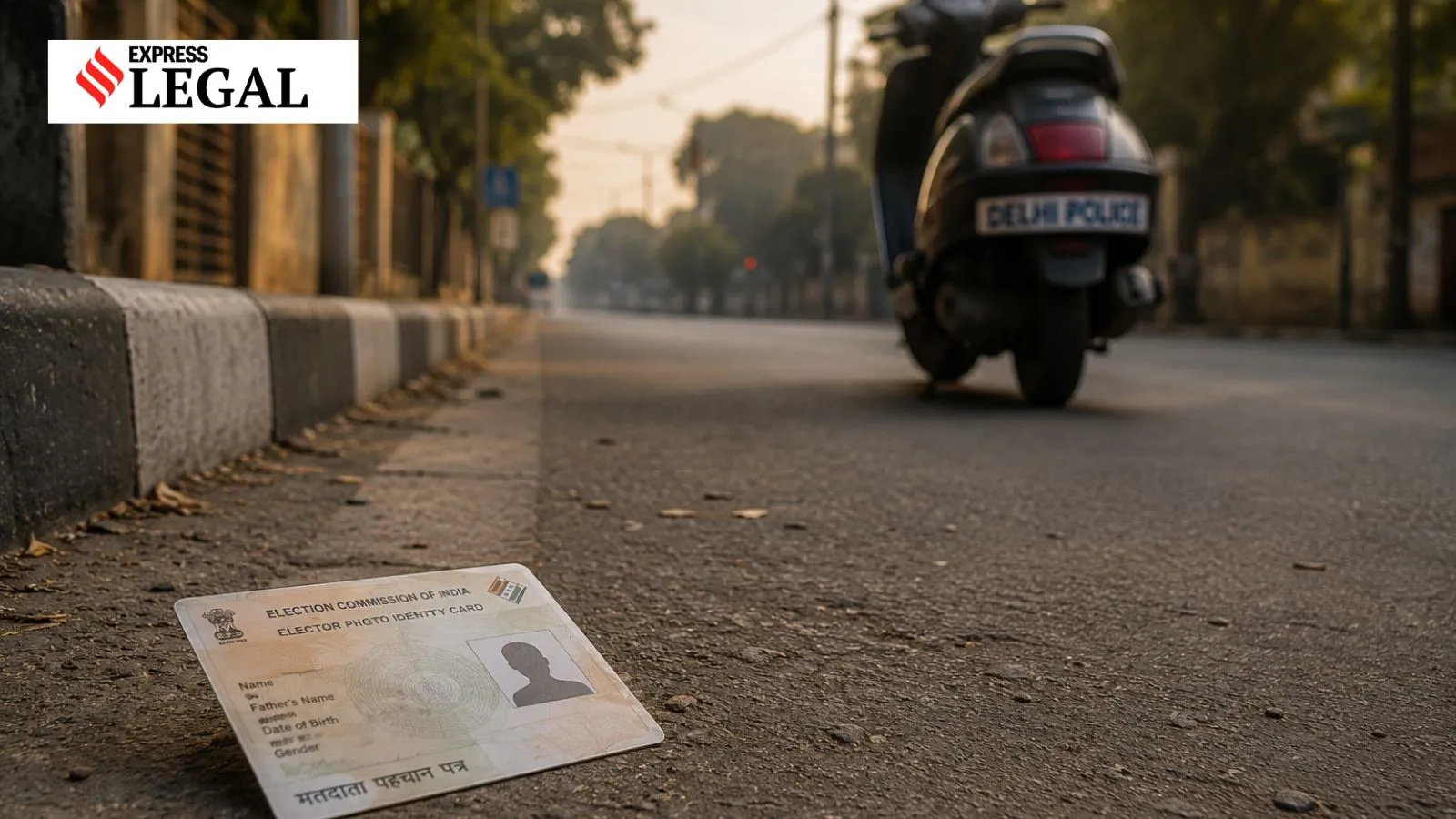
The Delhi High Court upheld a man's life sentence for the 1999 murder of a Delhi Police constable, citing recovery of the accused's voter ID and the victim's scooter as key evidence. Conversely, the Kerala High Court overturned a 1991 murder conviction of a man accused of killing a Sabarimala pilgrim, citing a nearly 30-year delay that weakened witness memory and the chain of circumstantial evidence. Both rulings emphasize the importance of evidence reliability in long-delayed cases.
AI Analysis
The articles present judicial decisions from two different states without political framing, focusing on legal reasoning and evidentiary standards. The Delhi case highlights conviction based on physical evidence, while the Kerala case emphasizes challenges due to delayed prosecution. Both perspectives reflect judicial prudence rather than political viewpoints.
The tone across the articles is neutral and factual, reporting court rulings without emotive language. The Delhi case conveys affirmation of guilt based on evidence, while the Kerala case reflects judicial caution due to evidentiary weaknesses. Overall, the sentiment is balanced, focusing on legal outcomes rather than emotional or moral judgments.
How 2 sources covered this story
Each source's own headline, political lean, and sentiment — so you can see framing differences at a glance.