Why Watching the Courts Matters — And Why It Is So Hard
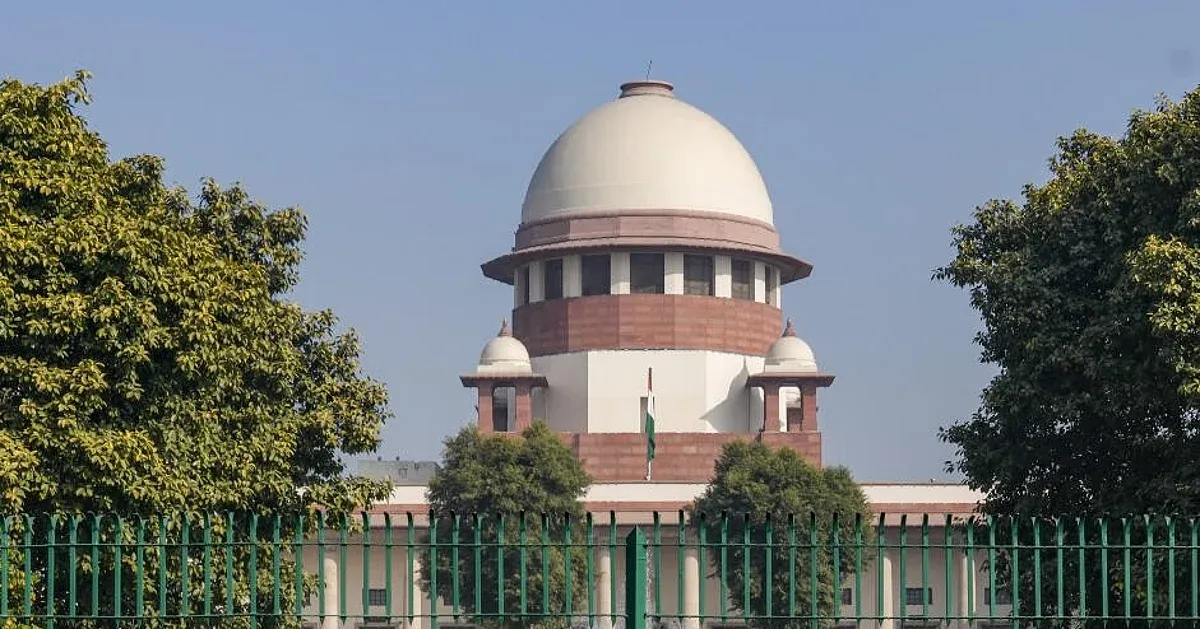
India's judiciary handles an extraordinary caseload. The Supreme Court alone has over 80,000 pending cases. High Courts collectively have a backlog exceeding 60 lakh cases. This judicial system, stretched to its limits, makes decisions every day that affect fundamental rights, economic policy, environmental protection, and the balance of power between institutions. Yet court reporting in Indian media is among the most poorly done beats in journalism.
The problem begins with complexity. Court proceedings involve legal terminology, procedural nuances, and multi-layered arguments that do not translate easily into headlines. When a media outlet reports "Supreme Court stays farm law" or "High Court strikes down reservation policy," the headline often misrepresents what actually happened. A stay is not a verdict. An observation by a bench during oral arguments is not a judgment. The difference between dismissal, disposal, and adjournment matters enormously but is routinely glossed over.
Political Framing of Judicial Decisions
Legal reporting in India is increasingly filtered through political lenses. When the Supreme Court rules on matters involving the government — Article 370, electoral bonds, EVM challenges, sedition law — coverage splits predictably along political lines. One set of outlets frames the verdict as judicial courage; another calls it judicial overreach or surrender. The actual legal reasoning, the precedents cited, the dissenting opinions — the substance that determines what the judgment actually means — often gets buried beneath political commentary.
The bail hearing coverage problem illustrates this perfectly. When a politically prominent figure receives bail, allied media celebrates due process while opposition-aligned outlets question judicial integrity. When bail is denied, the framing flips. The legal merits — the actual arguments about flight risk, evidence tampering, and personal liberty — are secondary to the political narrative.
What This Feed Covers
- Supreme Court: Constitution bench hearings, landmark judgments, PIL outcomes
- High Courts: Significant orders with national implications
- Tribunals: NGT, NCLT, and other quasi-judicial bodies
- Legal policy: Judicial appointments, court reforms, pendency data
- Cases of public interest: From fundamental rights challenges to environmental litigation
The Balanced News court feed brings together legal journalism from LiveLaw, Bar & Bench, mainstream media, and regional outlets — so you see the legal analysis alongside the political framing, rather than only one or the other.