The Hallyu Wave in India: Understanding Korean Culture Beyond the Hype
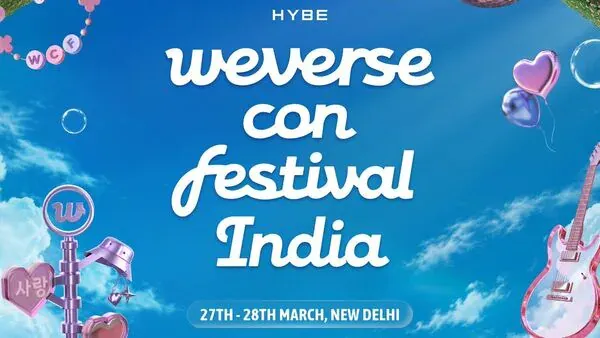
Korean pop culture has built a massive following in India, particularly among audiences under 30. K-dramas on Netflix and other platforms, K-pop groups like BTS, BLACKPINK, and Stray Kids, Korean beauty trends, and Korean food culture have become part of daily life for millions of Indians. India is now one of the largest K-pop fan markets globally, and Korean entertainment companies are actively targeting the Indian audience.
Yet Indian media's coverage of Korean culture tends to fall into two extremes. Mainstream outlets either treat it as a frivolous youth trend not worth serious coverage, or they produce superficial listicles designed for social media engagement. The nuanced middle ground — how the Hallyu wave is influencing Indian entertainment, the cultural exchange dynamics, the industry economics, the fan community organizing — gets far less attention than it deserves.
The Coverage Gap
- Korean entertainment industry dynamics — trainee systems, company controversies, labor issues — rarely get reported in Indian media despite having a massive interested audience
- The growing India-South Korea cultural and economic relationship, which the Hallyu wave is actively strengthening, is under-covered in foreign affairs reporting
- Indian K-pop fan communities, which have organized for social causes and charitable work, are dismissed as mere celebrity worship
- Korean cinema beyond mainstream hits — independent films, Korean film festival circuits — gets almost no coverage in Indian entertainment media
What This Feed Offers
The K-Culture & Hallyu feed on The Balanced News aggregates coverage from entertainment media, cultural reporting, industry publications, and international Korean media to give Indian fans a comprehensive view. Whether you follow K-dramas, K-pop, Korean cinema, or the broader cultural wave, this feed surfaces stories from sources that go beyond clickbait headlines.
Our AI-powered analysis also helps identify when entertainment coverage is shaped by platform partnerships — for instance, when a streaming service's K-drama promotion drives coverage rather than genuine editorial interest.