Skip to content
Get the Balanced News app for a better experience!
The Balanced News Logo
Analytics
The Balanced News Logo

Stay Balanced, Stay Informed

Menu
  • Browse News
  • Underreported Stories
  • Curated Feeds
  • Insights
  • Analytics
  • Our Writers
  • About Us
  • Download App
Learn
  • How It Works
  • Bias Detection
  • Lens Score
  • Source Bias Checker
  • Accountability
  • Custom Feeds
Newsroom
  • Writers & Analysts
  • About TBN
  • Editorial Standards
  • Corrections Policy
  • Our Partners
  • Insights
Socials
  • Youtube
  • Instagram
  • X
  • Facebook
News Categories
  • Trending
  • Politics
  • Sports
  • Business
  • Tech
  • Entertainment
  • Health
  • Science
  • Crime
  • Lifestyle
  • National
  • International
  • Good News
  • Crypto

Get Our App

Available for iOS and Android


LensFeedsInsightsAnalyticsTrendingGood NewsSportsPoliticsBusinessCrimeTechEntertainmentHealthNationalInternational

© 2026 The Balanced News. All rights reserved.

About UsEditorial StandardsCorrectionsHelp & SupportPrivacy PolicyTerms & Conditions
Geological Formation and Significance of India's Aravalli Hills
Categories

Categories

Related Coverage

Select a news story to see related coverage from other media outlets.

Related Coverage

Select a news story to see related coverage from other media outlets.

  1. Home
  2. /
  3. General

Geological Formation and Significance of India's Aravalli Hills

Analysed 28 Dec 2025·1 source analysed·India·General
Geological Formation and Significance of India's Aravalli HillsPreviousNext

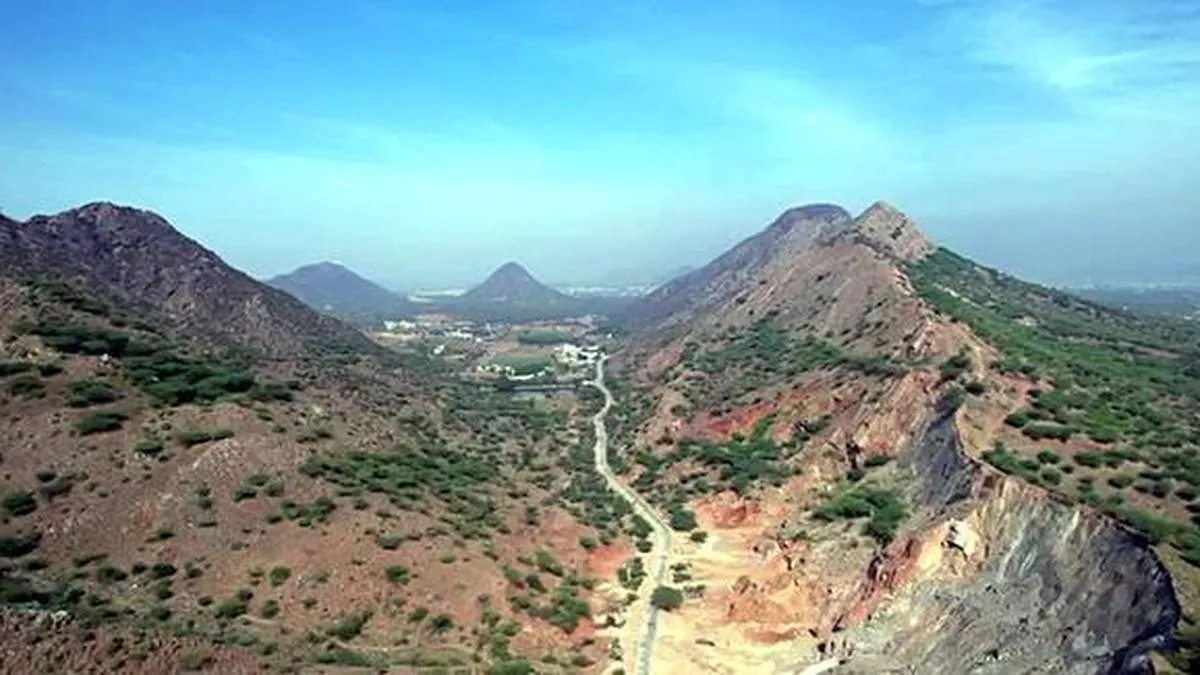
The Aravalli Hills, located in northwestern India, are geologically significant due to their ancient rock formations, offering insights into the Earth's crustal development. These hills are part of the Aravalli-Delhi orogenic belt, comprising older Aravalli and younger Delhi Supergroups of rocks. Sediments accumulated in stretched crustal basins, later closing due to tectonic forces, causing folding, faulting, and metamorphism of the rocks into quartzite, schist, and marble.

TBN's observations

First-hand measurement across 1 source

We measured how 1 outlet covered this story. Coverage leans balanced overall (Left 33%, Centre 34%, Right 33%). Overall sentiment is neutral (55/100). Lens Score 37/100 — moderate-to-low public interest.

Outlets analysed (first-hand measurement by TBN's Bias Engine):

  • thehindu— balanced framing, neutral sentiment
Political Bias
33%34%33%
Sentiment
55%
AI analysis of 1 source · Published under editorial oversight by The Balanced News
Analysed 28 Dec 2025· How this analysis is produced· Editorial standards· Corrections

AI Analysis

Political bias across 1 sources
● Left 33%● Center 34%● Right 33%

This article focuses purely on the geological and scientific formation of the Aravalli Hills. It does not engage with any political perspectives, governmental policies, or societal impacts, thus exhibiting no discernible political bias.

Sentiment — Neutral (55/100)

The article maintains a neutral and informative tone throughout. It presents scientific facts and geological processes objectively, without expressing any positive or negative sentiment towards the subject matter.

How 1 sources covered this story

Each source's own headline, political lean, and sentiment — so you can see framing differences at a glance.

Source
Reviewed byOjas Kale· Founder & Editor
← Previous
Crude Glycerin Leak Disrupts Traffic on Ghodbunder Road in Thane for Over Two Hours
Next →
Western Disturbance Expected to Bring Rain and Temperature Drop in Rajasthan
Their headline
Bias
Sentiment
thehinduHow the Aravalli Hills formed and why they look the way they doCenterNeutral

Lens Score breakdown

37/100
Public interest52/100
Coverage gap100%

Story is receiving appropriate media attention relative to public interest.

Story context

Category
Generic
Location
India
Sources analysed
1
Last analysed
28 Dec 2025
Key entities
Igneous intrusionGeologistAravalli RangeCrust (geology)SedimentIndiaQuartziteMagmaTectonicsDelhiCompression (geology)Granitoid