Emperor Akihito's Enthronement Marks Beginning of Japan's Heisei Era in 1990
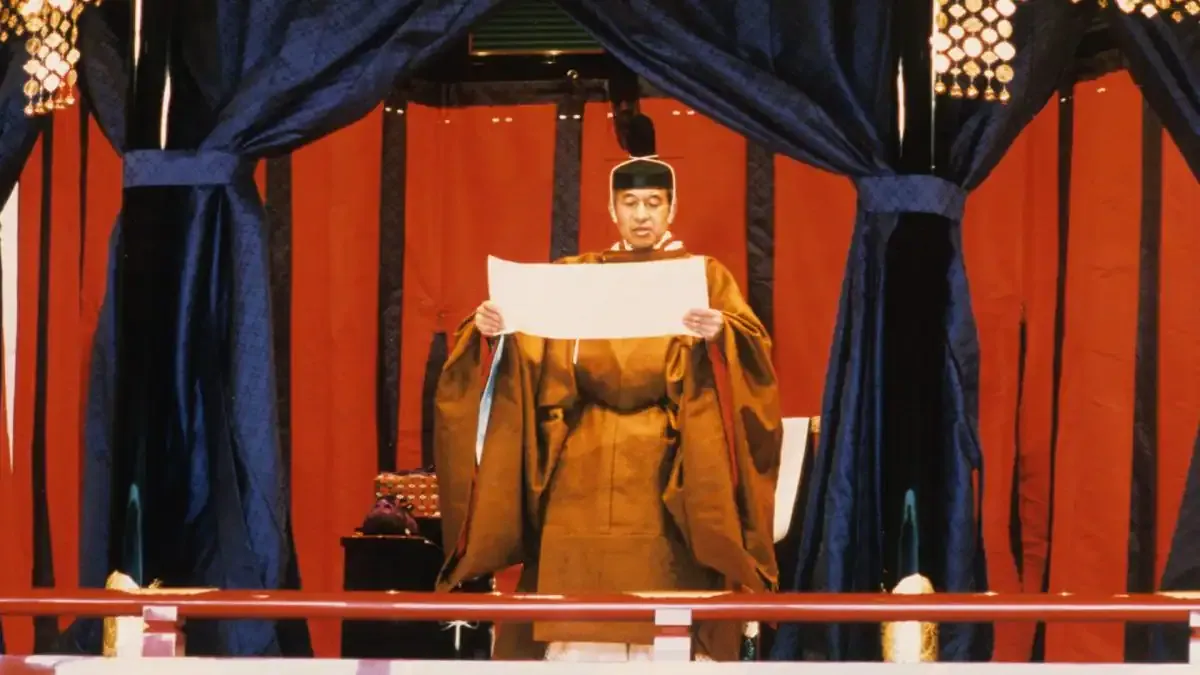
On November 12, 1990, Emperor Akihito's enthronement ceremony, known as Sokui no Rei, formally marked the beginning of Japan's Heisei era. The event, steeped in Shinto rituals at the Imperial Palace, symbolized the continuation of ancient imperial traditions. Akihito pledged to observe the Constitution and was presented with the Imperial Regalia, representing the legitimacy of the world's oldest hereditary monarchy. The ceremony was attended by dignitaries and leaders from over 150 nations.
First-hand measurement across 1 source
We measured how 1 outlet covered this story. Coverage leans balanced overall (Left 3%, Centre 94%, Right 3%). Overall sentiment is neutral (62/100).
Outlets analysed (first-hand measurement by TBN's Bias Engine):
- firstpost— balanced framing, neutral sentiment
AI Analysis
The article focuses on a historical event, the enthronement of Emperor Akihito, and presents it as a significant cultural and traditional occasion. There is no discernible political bias as the content is purely historical and descriptive of a ceremonial event.
The sentiment of the article is neutral and informative, focusing on the historical significance and ceremonial aspects of Emperor Akihito's enthronement. The tone is objective, detailing the rituals and symbolism without expressing positive or negative opinions.
How 1 sources covered this story
Each source's own headline, political lean, and sentiment — so you can see framing differences at a glance.