Delhi-NCR Faces Cold Wave, Dense Fog, and Very Poor Air Quality Disrupting Flights
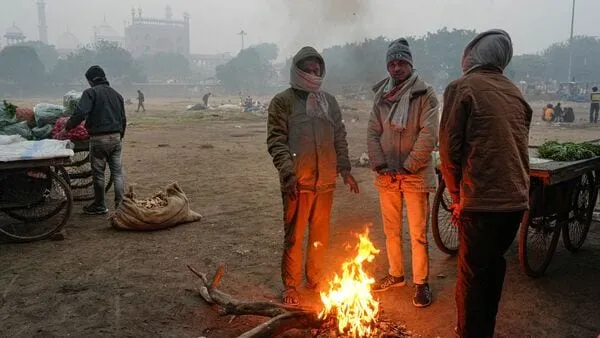
Delhi and the National Capital Region experienced a prolonged cold wave with minimum temperatures around 4 to 7 degrees Celsius, well below seasonal averages. Dense fog significantly reduced visibility, disrupting road, rail, and flight operations at Indira Gandhi International Airport. Air quality remained in the 'very poor' to 'severe' categories, with the Air Quality Index frequently exceeding 350, prompting authorities to reimpose Stage-III Graded Response Action Plan restrictions. The India Meteorological Department forecast gradual temperature rises and continued fog in the coming days, while cautioning residents about health and travel impacts.
First-hand measurement across 15 sources
We measured how 15 outlets covered this story. Coverage leans balanced overall (Left 2%, Centre 97%, Right 1%). Overall sentiment is neutral (35/100). Lens Score 19/100 — low public interest.
Outlets analysed (first-hand measurement by TBN's Bias Engine):
- ndtv— balanced framing, neutral sentiment
- news18— balanced framing, negative sentiment
- thetribune— balanced framing, neutral sentiment
- timesnow— balanced framing, neutral sentiment
- english— balanced framing, negative sentiment
- english— balanced framing, negative sentiment
- oneindia— balanced framing, negative sentiment
- businessstandard— balanced framing, neutral sentiment
AI Analysis
The article group presents a largely factual and descriptive account of weather and pollution conditions in Delhi-NCR, with no evident political framing or partisan viewpoints. Coverage focuses on official data from the India Meteorological Department, Central Pollution Control Board, and government agencies managing air quality. There is balanced inclusion of health advisories and operational impacts without attributing blame or political responsibility, reflecting neutral reporting on environmental and public safety issues.
The overall sentiment across the articles is mixed to negative, emphasizing discomfort caused by cold temperatures, dense fog, and hazardous air quality. Reports highlight disruptions to daily life, travel delays, and health risks, contributing to a tone of concern. However, mentions of slight temperature improvements and forecasts of gradual warming introduce cautious optimism. The tone remains factual and measured, focusing on informing the public rather than sensationalizing the situation.